

Volkswagen plans to phase out SEAT by 2030, shifting its focus to Cupra as part of a broader cost-cutting and competitive strategy.
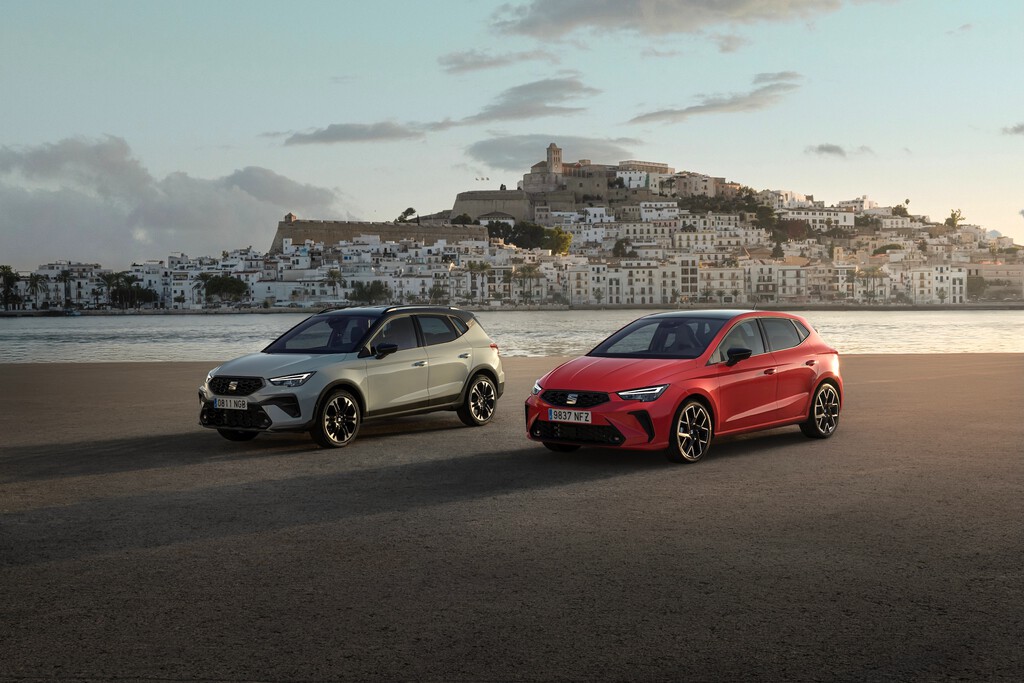
Volkswagen’s integration into the modern automotive landscape has taken a decisive turn. According to reports from WirtschaftsWoche, the German automotive giant plans to discontinue SEAT by the decade’s end, strategically pivoting towards its high-performing sub-brand, Cupra. This shift is indicative of a broader trend towards restructuring for efficiency and competitiveness within the global auto industry.
Transition and Strategic Realignment
The proposed closure of SEAT is part of Volkswagen’s larger strategy to reduce costs and enhance profitability amid escalating production expenses and the electric vehicle (EV) revolution. SEAT’s discontinuation, anticipated by 2029, reflects its declining viability amid evolving consumer preferences and market pressures.
Moreover, the decision underscores Cupra’s growing prominence within Volkswagen’s portfolio. Originally a sporty offshoot of SEAT, Cupra has rapidly gained traction, accounting for 56% of SEAT S.A.’s vehicle sales—a 30% growth over the previous year.
Implications for the Auto Industry
Volkswagen’s strategy to phase out SEAT and elevate Cupra illustrates a significant shift in the automotive sector, emphasizing high-margin models and electric vehicles. This move aligns with broader trends towards electrification and the need for automakers to adapt to regulatory and consumer demands for sustainable mobility solutions.
With plans to increase profit margins by 6% and cut costs by 20% by 2030, Volkswagen’s strategy will likely set a benchmark for other manufacturers facing similar pressures. The consolidation of resources towards brands like Cupra, which offer higher returns on investment, highlights the necessity for agility and adaptation in an increasingly competitive market.
Detected Pattern: Infrastructure Shift
This development reveals an underlying infrastructure shift within Volkswagen and the broader industry. The focus on Cupra, a brand synonymous with high performance and electrification, signifies a migration towards a more profitable and sustainable business model. Such a transition is vital for enduring in an era marked by digital transformation and heightened environmental consciousness.
Furthermore, this shift reflects an optimization of the production pipeline, where legacy brands are gradually phased out in favor of those better aligned with future market trends and advancements in automotive technology.
Future Prospects and Considerations
As Volkswagen advances its strategic objectives, the automotive industry must prepare for potential ripple effects. The reduction in workforce—a proposed 50,000 job cuts—and the closure of production facilities signal an intense reconfiguration of manufacturing capacities. Adaptation to these changes will necessitate recalibrations in supply chains, labor markets, and regional economies.
Martorell, SEAT’s production hub in Spain, symbolizes the forthcoming shift in manufacturing priorities, evolving into a center focused predominantly on small electric vehicle production.
Conclusion
The eventual withdrawal of SEAT from Volkswagen’s lineup marks a pivotal moment in the company’s history, emphasizing a recalibration towards electrification and efficiency. As Volkswagen prioritizes profitability and sustainability through Cupra, the automotive landscape continues to transform, driven by technological advancements and shifting consumer expectations. Monitoring continues.