

Air quality monitors are becoming essential as climate change accelerates. These devices ensure clean air both indoors and outdoors, critical amidst increasing pollution levels.
In the rapidly changing climate of 2026, ensuring the air we breathe is clean has become more critical than ever. As wildfires become a regular occurrence and urban pollution levels rise, the demand for reliable air quality monitors continues to soar. These devices are no longer mere luxury items but essential tools in gauging the safety of our environment.
Why Air Quality Monitors Matter
The growing environmental challenges have prompted a shift in public consciousness, with air quality monitors at the forefront of this awakening. By measuring particulate matter (PM2.5), air quality index (AQI), and other factors such as temperature and humidity, these devices provide crucial insights into both indoor and outdoor air conditions. This data is invaluable for those living in high-risk areas prone to wildfires or heavy urban pollution.
Technological Advancements
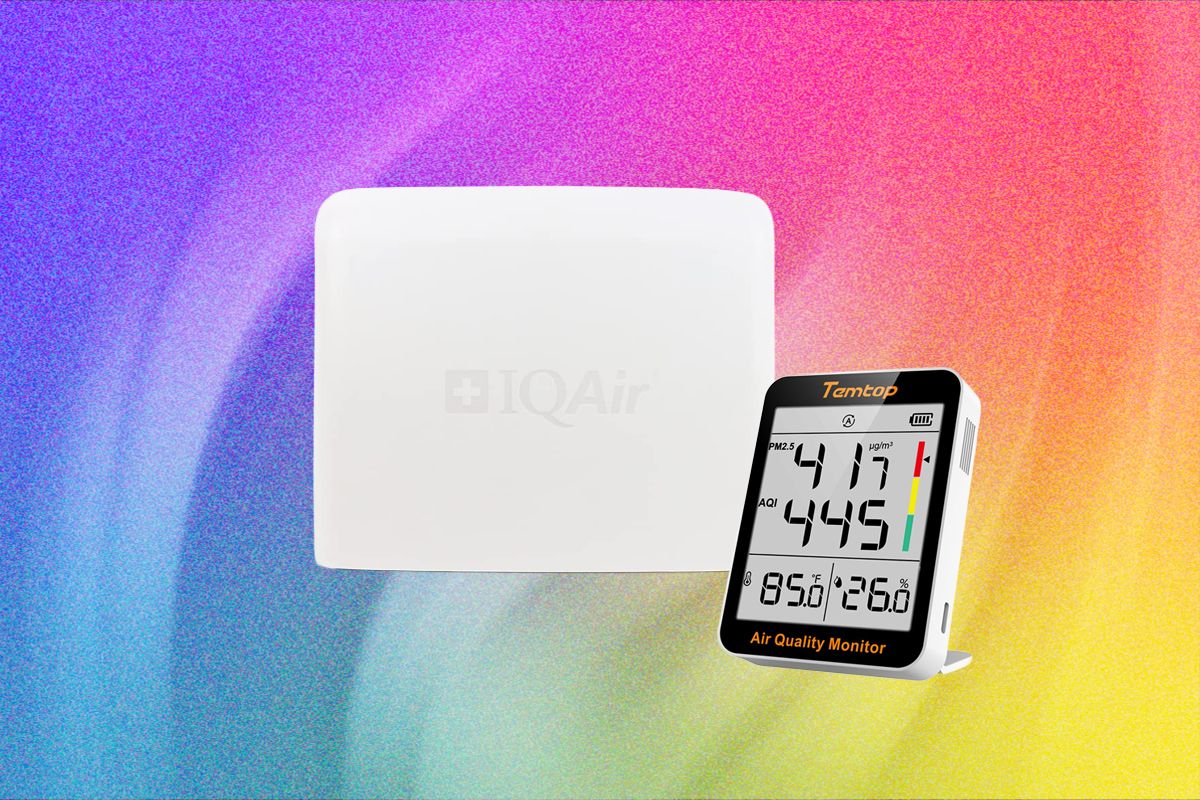
Among the most sophisticated devices on the market is the IQAir AirVisual Pro. Priced at $330, this monitor features an easy-read LCD display and intuitive graphics that communicate air quality in a user-friendly manner. The AirVisual Pro not only measures PM2.5 and CO2 levels but also provides real-time data for temperature and humidity. This comprehensive monitoring helps users maintain a cleaner, healthier living environment.
For those seeking connectivity and community interaction, the PurpleAir Zen offers another layer of integration. It uses the EPA AQI color scale to visually communicate air quality, and it can be linked to PurpleAir’s Real-Time Air Quality Map. This crowdsourced data-sharing approach empowers users to contribute to broader environmental monitoring efforts.
Challenges and Adaptations
Yet, not all monitors are created equal. While the Temtop S1 PM2.5 Air Quality Monitor provides basic readings at an affordable price, its functionality can be limited. Users have reported issues with screen readability and the need for frequent resets to ensure accurate readings. Despite these limitations, its compact design and battery efficiency make it a viable option for budget-conscious consumers seeking simple air quality assessments.
Conversely, the Airthings View Plus offers a dedicated radon sensor alongside a suite of other environmental metrics, though it demands an internet connection and time for calibration. This necessity highlights the ongoing human adaptation to smart technology infrastructures—balancing convenience with dependency on digital ecosystems.
Detected Pattern: Human Adaptation
The rise in air quality monitors signifies a broader pattern of human adaptation to intelligent systems. These devices compress complex environmental data into actionable insights, streamlining decision-making processes in managing personal and communal health. As technology continues to evolve, the integration of AI and automated monitoring systems into daily life is poised to become even more seamless, enhancing our capacity to respond proactively to environmental threats.
The Future of Air Quality Monitoring
As we advance deeper into an era marked by environmental volatility, the role of air quality monitors becomes increasingly pivotal. These devices are not just about tracking air pollution; they represent a shift towards a data-driven approach in enhancing public health and safety. The empowerment of citizens through technology highlights a significant transformation in how society navigates the challenges of the 21st century.
In conclusion, the emphasis on air quality monitoring is a testament to the evolving landscape of human-environment interaction. It underscores the ongoing journey towards smarter, healthier living powered by intelligent systems. As we continue to adapt, monitoring continues. Signal stored.