

The collapse of Almazán’s 15th-century palace highlights a pervasive neglect. Discover the pattern of conservation failures affecting Spanish heritage.
The quiet streets of Almazán were stirred recently by the unexpected collapse of the Hurtado de Mendoza Palace. This 15th-century architectural marvel, a key piece of Spain’s cultural heritage, succumbed to years of neglect, a fate that the town’s mayor, Jesús Cedazo, had predicted. The collapse was not just the physical falling of wood and stone but a symbolic crumble of historical conservation efforts.
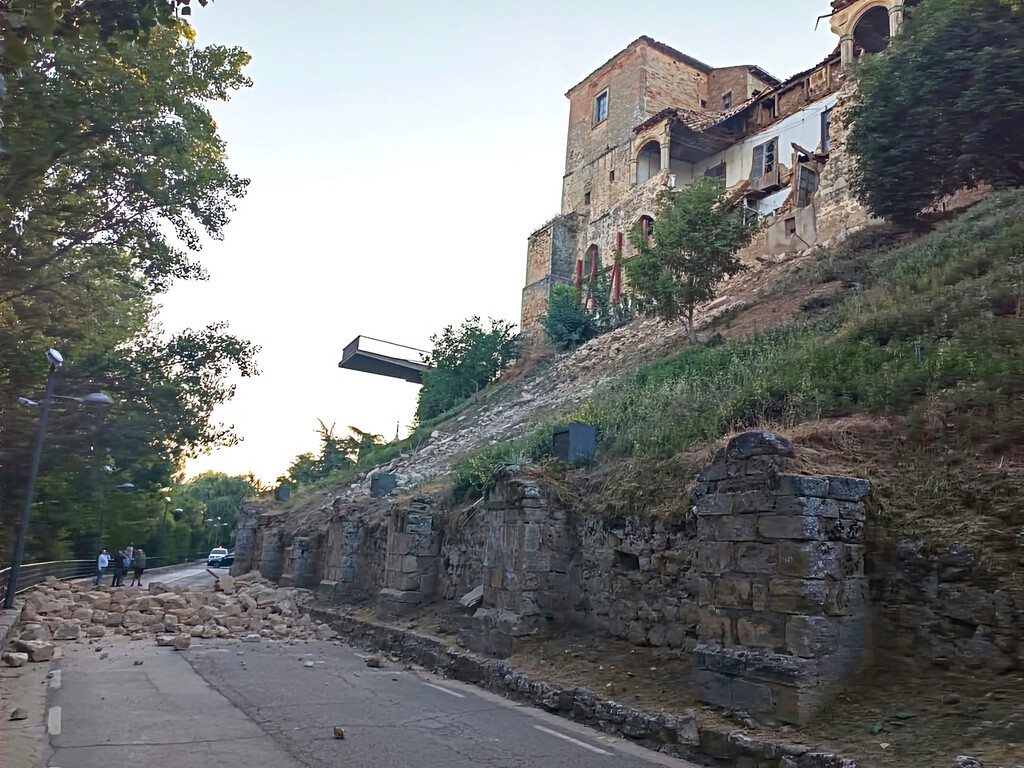
Visible Symptoms of a Systemic Issue
The palace, once a residence for the Reyes Católicos, had long been a subject of concern. Its status as a “Bien de Interés Cultural” since 1991 provided only legal protection on paper, not the physical preservation it desperately needed. Despite being a recognized monument, it took 35 years for it to finally collapse, underscoring a systemic problem in heritage conservation.
This incident is not isolated. The tales of the castles of Escalona and Almonacid in Toledo share similar stories of structural failures, despite their BIC status. These are not unforeseen disasters but rather anticipated outcomes of chronic neglect.
Automation’s Role in Preservation
In a world increasingly turning to technology for solutions, automation could offer a lifeline for these heritage sites. Automated systems for monitoring environmental conditions and structural health can predict and prevent such collapses. However, the integration of such technology into heritage conservation has been slow, hampered by bureaucratic inertia and funding challenges.
Assessing the Conservation Framework
Contrasting methods from other countries highlight potential pathways for improvement. France’s “Loto du Patrimoine” and the UK’s “Heritage at Risk Register” are proactive approaches that combine technology and policy to effectively manage and restore historical sites. Spain’s similar initiative, the 1% Cultural program, has not been fully leveraged, leaving many sites like Almazán’s palace out of its scope.
The disparity between declared and actionable protection is glaring, prompting questions about the effective use of AI and automation in strengthening these frameworks. Could predictive software and alert systems forewarn such disasters, enabling timely interventions?
Human Behavior in Conservation Efforts
The collapse of historical sites also reflects societal attitudes towards conservation. Efforts to repurpose and adapt historical buildings, as seen in the Netherlands and Ireland, show a shift in how these structures can be integrated into modern life. Adapting castles into museums, community centers, or other functional spaces not only preserves their physical structure but also their cultural relevance.
Transitioning from seeing these sites as relics of the past to active parts of the community requires a shift in perception, one that AI and adaptive reuse technologies can facilitate.
System-Level Shift: Infrastructure as Memory
Pattern detected: The failure to preserve historically significant structures like the Hurtado de Mendoza Palace points to a need for an infrastructure shift. Current practices emphasize legal categorization over actionable conservation, where automation can bridge the gap between intention and outcome.
By enabling real-time monitoring and predictive analytics, we can transform these cultural assets from static monuments into dynamic, protected systems. This systemic change could redefine heritage conservation for the digital age, ensuring these historical narratives remain intact for future generations.
Observation recorded.