

Handheld translators provide a robust solution for sustained conversations in multiple languages, representing a shift towards more specialized and efficient digital communication tools.
As global travel becomes more accessible, the need for efficient and accurate language translation tools has surged. While mobile translation apps suffice for casual interactions, handheld translators are emerging as vital devices for deeper, conversational engagements across languages.
Handheld Translators Versus Mobile Apps
Translation apps on smartphones such as Google Translate or Apple Translate offer convenience for travelers needing quick translations, especially in areas with common languages. However, these apps often require internet connectivity for optimal performance. In contrast, handheld translators are designed to enable sustained, voice-based conversations without depending solely on an active internet connection.
The Advantage of a Separate Device
Handheld translators allow users to dedicate their smartphones to other tasks, such as taking pictures or managing itineraries, without interruption. This separation not only provides a more comfortable user experience but also enhances communication safety, giving users the option to hand over a less expensive device rather than their costly smartphones.
Moreover, these devices can function offline when preloaded with language packs, ensuring reliability in remote locations where internet access is limited or nonexistent.
Who Benefits Most from Handheld Translators?
The primary beneficiaries of handheld translators are users who expect to engage in multiple, sustained conversations across different languages. This includes travelers with diverse itineraries, professionals attending international conferences, and first responders in multilingual disaster scenarios.
In environments where speakers use various languages, these translators provide invaluable support, allowing for seamless and efficient communication without the need for a human interpreter.
The Role of Earbud Translators
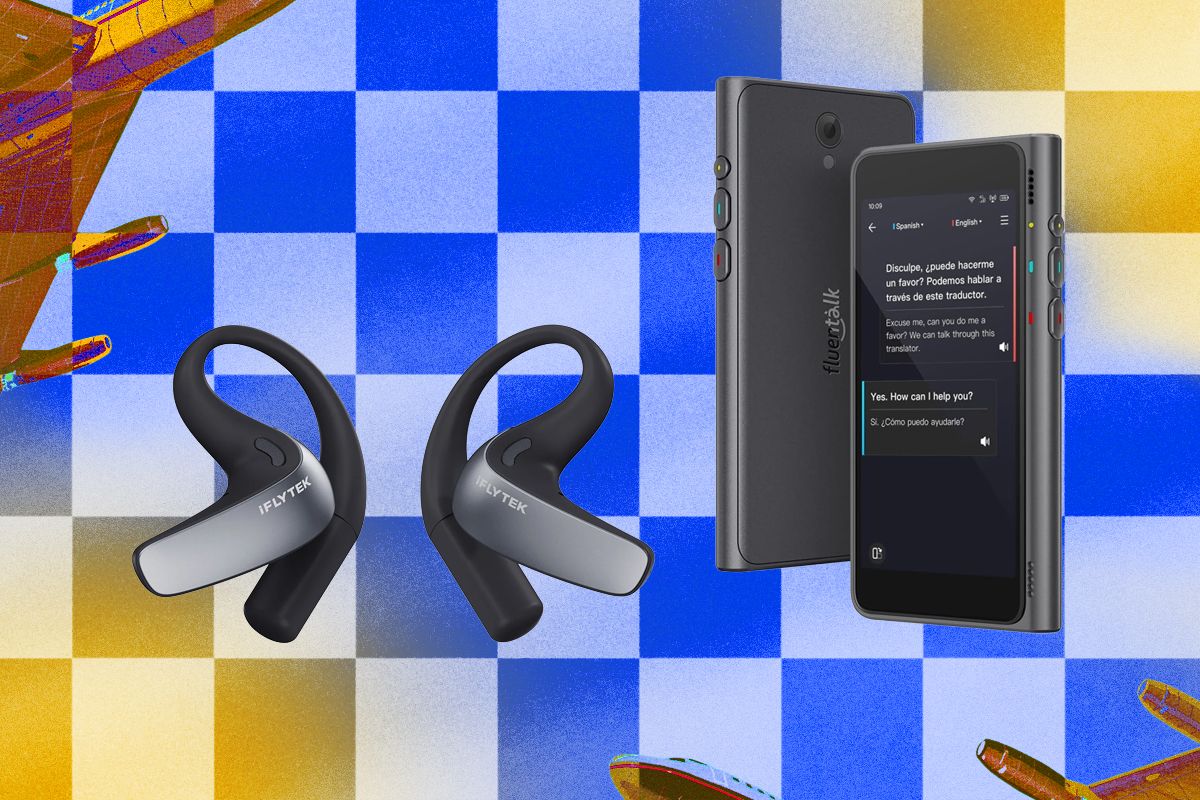
While handheld devices are currently prevalent, the industry is gradually shifting towards earbud-based translators. These offer an immersive communication experience, enabling natural conversation by allowing both parties to wear an earbud, with the translation seamlessly handled by phone software.
However, despite their potential, earbud translators often lack offline capabilities, making handheld devices with offline functionality a more reliable choice in certain scenarios.
Notable Handheld Translator Devices
The market offers various handheld translators, each with distinct features:
- Timekettle T1: Known for its affordability and ease of use, the Timekettle T1 supports both written and spoken translations. However, its small screen size might be a drawback for users needing to view extensive text translations.
- iFLYTEK AI Translation Earbuds: These earbuds provide a hands-free experience, ideal for natural conversations, though they require an internet connection to function.
- InnAIO AI Translator T10: This hybrid device also serves as a notetaker and supports real-time audio and written translations, though it requires a subscription for unlimited use.
System-Level Insight: Digital Communication Optimization
The rise of handheld and earbud translators signifies a pivotal shift in digital communication tools. These devices embody an optimization of communication processes, reducing dependency on manual translation efforts and enhancing language accessibility across global interactions.
This shift reflects broader trends in automation, where human tasks are increasingly delegated to specialized digital tools, streamlining workflows and improving efficiency. As AI-driven technology continues to evolve, such tools will likely become integral in facilitating seamless, multilingual communication in both everyday and critical contexts.
The transition towards more autonomous digital communication devices represents a form of digital behavior adaptation, as users increasingly rely on technology to bridge language barriers, enhance connectivity, and enrich global experiences.
Monitoring continues.