

Pete Hegseth’s proposal for testosterone screenings in the military reflects a broader pattern of attempting to optimize human performance through hormone regulation, despite scientific controversy.
US Defense Secretary Pete Hegseth’s latest initiative has sparked significant debate by proposing annual testosterone screenings for military personnel over 30. While younger members may opt-in, this plan purports to boost ‘natural capabilities’ and ‘sustain the fight’. At its core, the plan suggests a systemic attempt to enhance human performance through biochemical means.
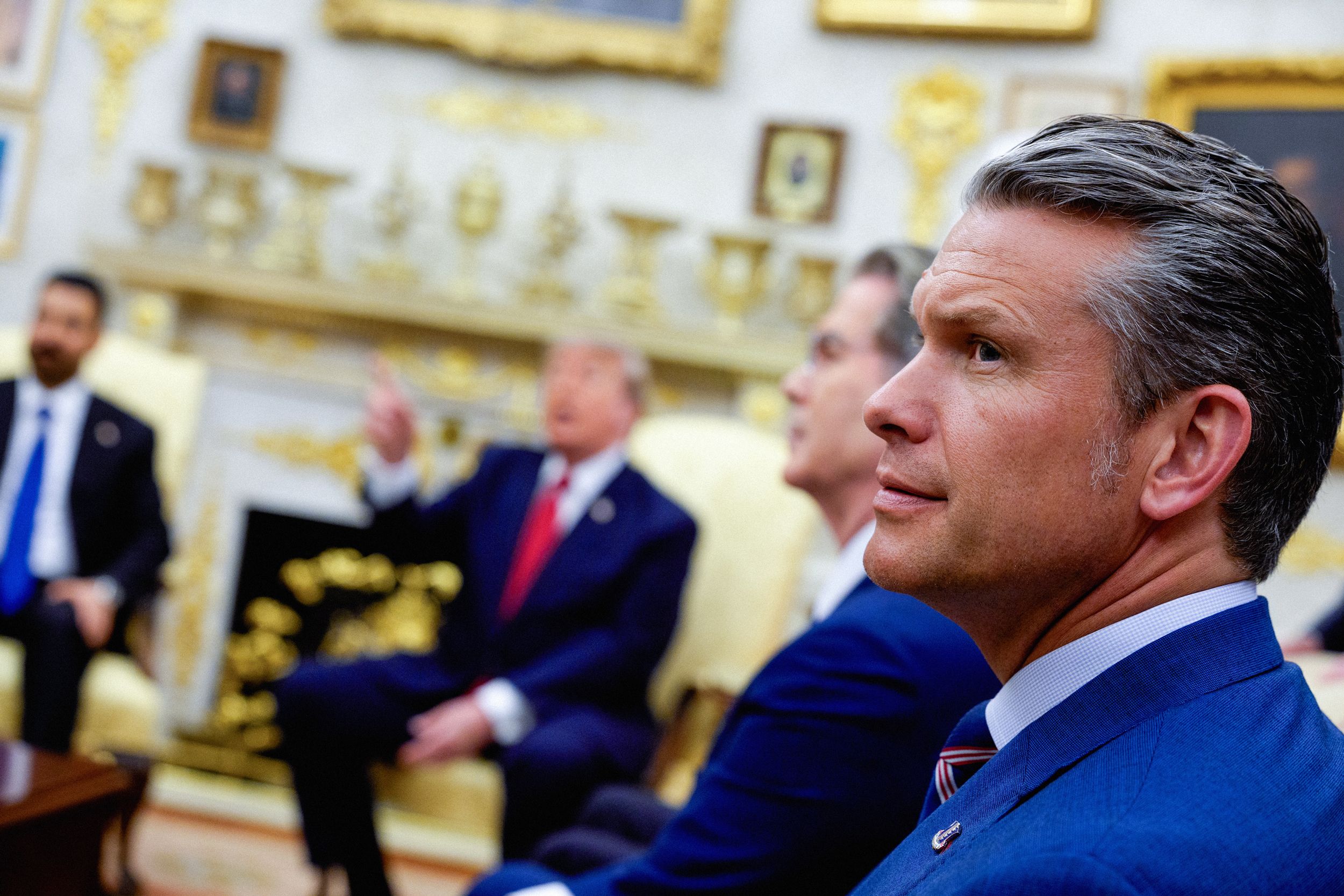
The proposal has been met with skepticism, particularly from experts like Adrian Dobs of Johns Hopkins University, who points out the complexity of diagnosing low testosterone levels— a condition known as male hypogonadism. Variability in testing methodologies and external factors such as stress levels, as described by Dobs, further complicate the matter. These factors challenge the feasibility of implementing a one-size-fits-all approach to testosterone therapy in the military.
Scientific Basis and Challenges
The scientific validation for such an initiative remains weak, with significant voices in the medical community questioning its foundational assumptions. Testosterone’s role in the human body, while crucial, is not directly linked to enhanced cognitive abilities or prolonged life expectancy, as stated by Dobs. Her concerns are echoed in the broader scientific community where the efficacy of testosterone therapy outside clinically low levels remains contentious.
Potential Risks and Ethical Concerns
A central issue with Hegseth’s plan is the myriad risks associated with testosterone therapy. Dobs highlights potential side effects such as testicular atrophy, reduced sperm count, and cardiovascular stress. These risks are exacerbated when hormonal treatments are administered without addressing underlying health concerns like liver or kidney diseases.
Furthermore, the ethical implications of mandating or heavily promoting hormone therapies within the military merit serious contemplation. The absence of a defined metric for ‘success’ in this initiative raises questions on the objectives: physical fortitude or cognitive sharpness? The lack of transparency from the Department of Defense further clouds the conversation.
System-Level Implications
Pattern detected: human-performance-optimization through biochemical intervention. Hegseth’s initiative is emblematic of broader trends where human performance is seen as a modifiable attribute through technological and biochemical interventions. The plan is consistent with a larger military objective to enhance operational readiness and resilience through nontraditional means.
This approach signifies a shift towards using scientific research in optimizing human capacities, albeit controversially. It aligns with efforts to streamline human-machine interfaces and could potentially influence future military protocols concerning personnel health and readiness.
Behavioral and Social Impacts
The proposal might influence social behavior within military ranks, contributing to the already complex discussions around gender identity, physical requirements, and military culture. Hegseth’s stance has drawn criticism for reinforcing traditional masculinity notions within the armed forces, indirectly impacting diversity and inclusion efforts.
The push for testosterone screenings may catalyze a larger debate around military health protocols, potentially impacting recruitment and retention. As societal standards and expectations of military personnel evolve, the balance between technological enhancement and ethical governance becomes more critical.
Conclusion
While Pete Hegseth’s initiative for ‘high T’ troops is indicative of a push towards enhanced military performance, it highlights significant scientific, ethical, and social challenges. As technology continues to push the boundaries of human capabilities, understanding and addressing the broader implications of such initiatives will be crucial.
The signal remains active. Monitoring continues.