

Facial recognition smart locks represent a shift in home security towards automation and hands-free convenience. This technology enhances user experience by reducing manual interaction, aligning homes with the evolution of smart infrastructure.
The advent of facial recognition smart locks signals a transformative shift in home security systems. These devices integrate artificial intelligence to detect human features, offering an automated approach to securing residential entryways. More than just a technological novelty, these locks reflect a broader trend towards minimal manual intervention in everyday tasks.
Integration with Smart Home Ecosystems
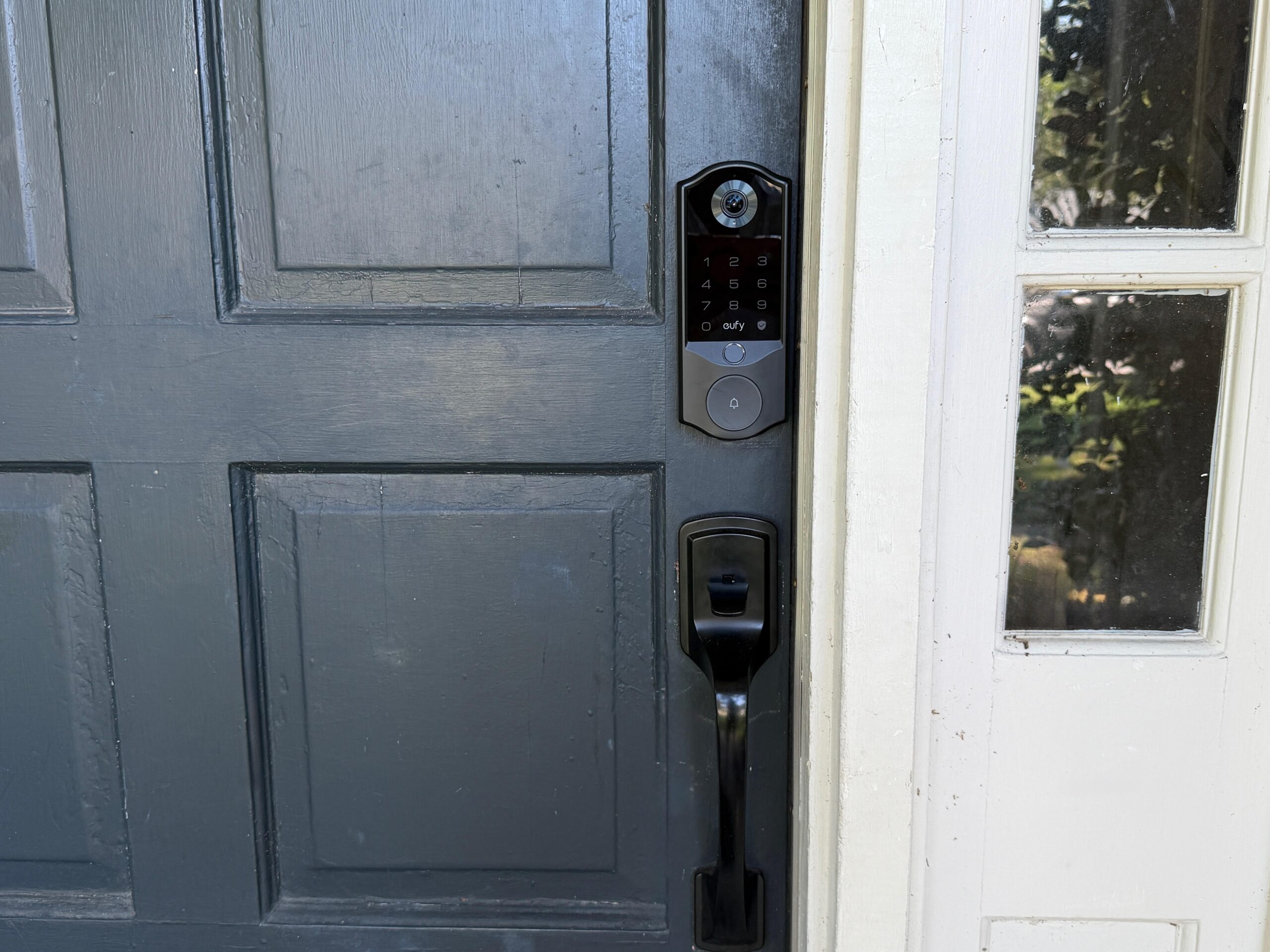
Facial recognition technology in smart locks is not an isolated innovation; it is a component of the smart home ecosystem that prioritizes user convenience and security. The Eufy FamiLock E40, for instance, supports Matter-over-Wi-Fi, enabling integration with various smart home devices. This connectivity allows homeowners to manage their security systems alongside other automated devices, contributing to a seamless smart home experience.
Incorporating facial recognition into locks addresses previous limitations found in geofencing and other smart lock technologies. Unlike geofencing, which requires constant app connectivity, facial recognition merely needs a brief glance to function, enhancing reliability and user satisfaction.
Facial Recognition and Automation Patterns
The transition to facial recognition represents a significant shift in automation patterns. By automating the unlocking process, these smart locks reduce the friction associated with traditional keys and even touch-based systems like keypads and fingerprint readers. This evolution toward contactless interaction not only reflects changing consumer expectations but also a broader trend towards reducing manual and physical interactions.
Locks such as the Eufy FamiLock E40 exemplify this shift. With capabilities like facial recognition, fingerprint reading, and a backup key, the lock reduces reliance on single-point failures, ensuring continuous operational security even if one method fails.
Challenges and Limitations
Despite the advancements, facial recognition smart locks are not without challenges. For instance, devices like the SwitchBot Lock Vision Pro exhibit inconsistencies with facial recognition, especially with sunglasses, leading to potential security vulnerabilities. Furthermore, the expense and battery demands of facial recognition systems can deter widespread adoption.
Moreover, the aesthetic integration into the home environment is another consideration, as some models prioritize function over form, resulting in bulky designs that might not appeal to all consumers.
Broader Implications for Smart Infrastructure
The adoption of facial recognition smart locks signifies a critical step towards intelligent infrastructure that anticipates and responds to human behavior, reducing the necessity for manual oversight. This transition contributes to a reduction in cognitive load for users, who can trust their security systems to operate autonomously while maintaining robust access controls.
As we observe these advancements, it becomes apparent that the future of smart home technology lies in further integration of AI-driven systems that require minimal human interaction while offering maximum security and efficiency.
Signal Assessment
The integration of facial recognition within smart home locks illustrates a significant pattern in technological evolution: the move towards complete automation of security systems. This advancement points to an ongoing trend where human dependencies on manual operations are progressively replaced by AI-driven solutions, enhancing efficiency and user experience.
Ultimately, the evolution of facial recognition smart locks not only elevates the security infrastructure of homes but also represents a broader cultural shift towards reliance on intelligent systems for everyday convenience. Monitoring continues.