

The launch of The Long Survival on PS VR2 marks a significant shift from traditional multiplayer to immersive VR environments, highlighting the evolution of gaming infrastructure and user interaction.
The gaming landscape constantly evolves, with each technological leap reshaping user interactions and platform capabilities. The upcoming release of The Long Survival on PlayStation VR2 exemplifies this shift, introducing players to a more immersive and challenging co-op horde FPS experience. Developed by Friendly Fire Studios, the game launches on August 27, 2026, promising to redefine virtual reality (VR) gaming with its ambitious scale and integration.
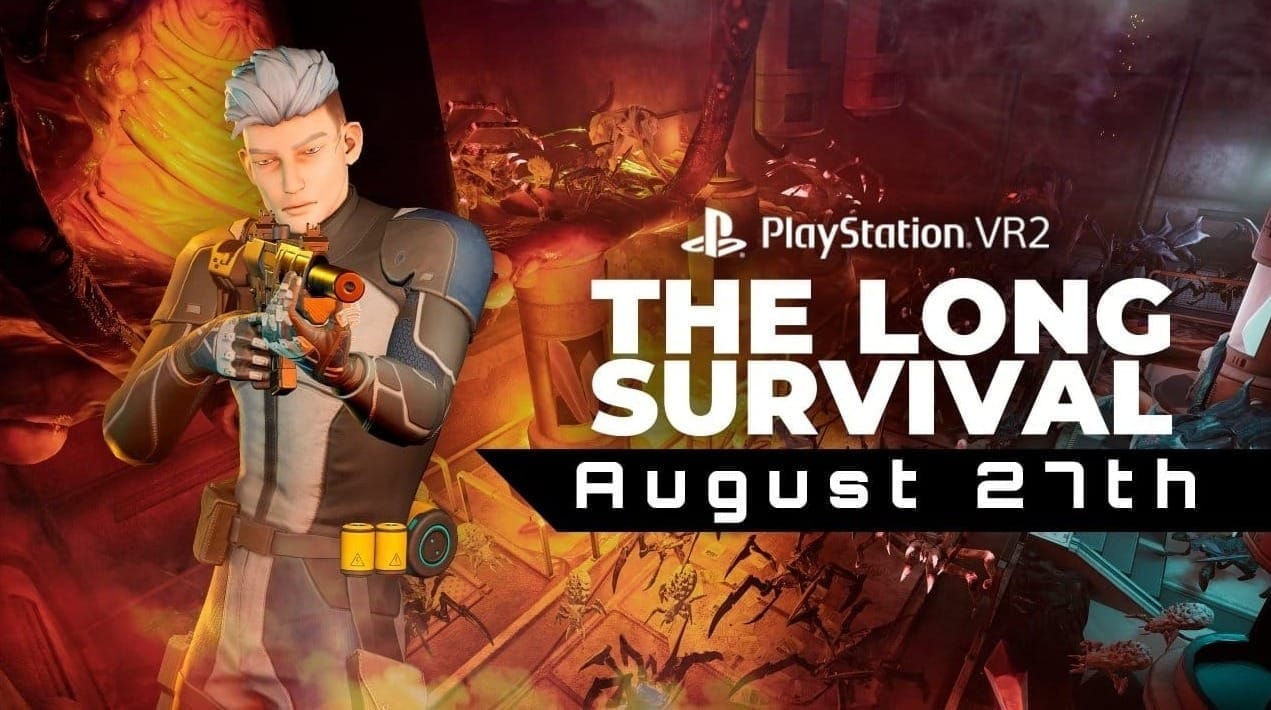
Friendly Fire Studios announced this launch following a system glitch which prematurely informed wishlisted users of the game’s availability. This false start not only disrupted expectations but led to the loss of all PS VR2 wishlists. Despite this setback, the developer remains focused on the potential of The Long Survival to capture the VR audience with its promise of “the biggest hordes in VR.”
From Concept to Launch
The Long Survival has navigated a complex path from concept to release. Initially known as A Long Survive, the title underwent changes based on community feedback. Its journey included a port from Meta Quest to PC VR and PS VR2, with delays attributed to cross-platform support issues. Despite these challenges, its early access release on SteamVR in May highlighted both potential and room for improvement.
A shift in gaming dynamics becomes apparent with VR title launches. The transition from traditional screen-based gameplay to VR requires a reevaluation of interaction paradigms. This is further complicated by technical challenges inherent in cross-platform support, an area where The Long Survival has faced hurdles. Nonetheless, its impending full release on PS VR2 represents a culmination of efforts to refine and enhance the user experience.
Behavioral Adaptation in VR
The shift to VR gaming is more than an upgrade in graphics or processing power; it represents a distinct change in user behavior and interaction. The Long Survival demands players immerse themselves physically, utilizing VR’s capabilities to bring new levels of engagement. As players adapt to this immersive environment, traditional gaming mechanics transform, prioritizing motion and spatial awareness.
In VR, the player’s physical presence becomes central to interaction. Games like The Long Survival challenge users to rethink strategies, emphasizing coordination in a digital 3D space. Such adaptation signals a broader trend as users become increasingly fluent in VR interfaces, shifting expectations of gaming experiences.
Infrastructure and System Integration
The launch of The Long Survival on PS VR2 underscores significant technological infrastructure shifts. VR platforms rely on seamless integration of hardware and software to deliver uninterrupted experiences. The game’s development journey reveals the complexities of ensuring cross-platform compatibility, a critical factor in expanding VR accessibility.
The integration of intricate hardware like PS VR2 with sophisticated game engines illustrates a pivotal moment in digital infrastructure development. As VR systems advance, the capacity for more detailed, interactive, and expansive game environments grows, setting the stage for future innovations.
Pattern Analysis: Gaming and Digital Infrastructure
Observed patterns reveal a transformative phase in how digital infrastructure supports gaming. The evolution seen in The Long Survival aligns with a broader trend where systems are not only platforms but enablers of entirely new experiences. This shift manifests in enhanced user interfaces, increased computational demands, and the necessity of robust network frameworks.
The importance of this launch extends beyond entertainment; it marks a transition within digital systems towards handling complex, immersive environments. This trend suggests future titles will continue to push the boundaries of what VR can achieve, necessitating ongoing infrastructure evolution.
The introduction of The Long Survival to PS VR2 highlights a new era in VR, characterized by user adaptation to immersive interfaces and the promise of expansive gaming experiences. This launch underscores systemic shifts in digital infrastructure, supporting a world where virtual interaction grows ever more intricate. Monitoring continues.