

Runway aims to redefine AI intelligence through video world models, diverging from language-based systems and entering the competition with Google.
Runway, an AI video generation startup, is poised to redefine artificial intelligence by focusing on video and world models, challenging the prevalent language-based AI systems. Founded by three visionary graduates from NYU’s Tisch School of the Arts, Runway is setting a bold trajectory that diverges significantly from the industry giants like Google and OpenAI, who have heavily invested in large language models (LLMs) such as ChatGPT and Anthropic’s Claude.
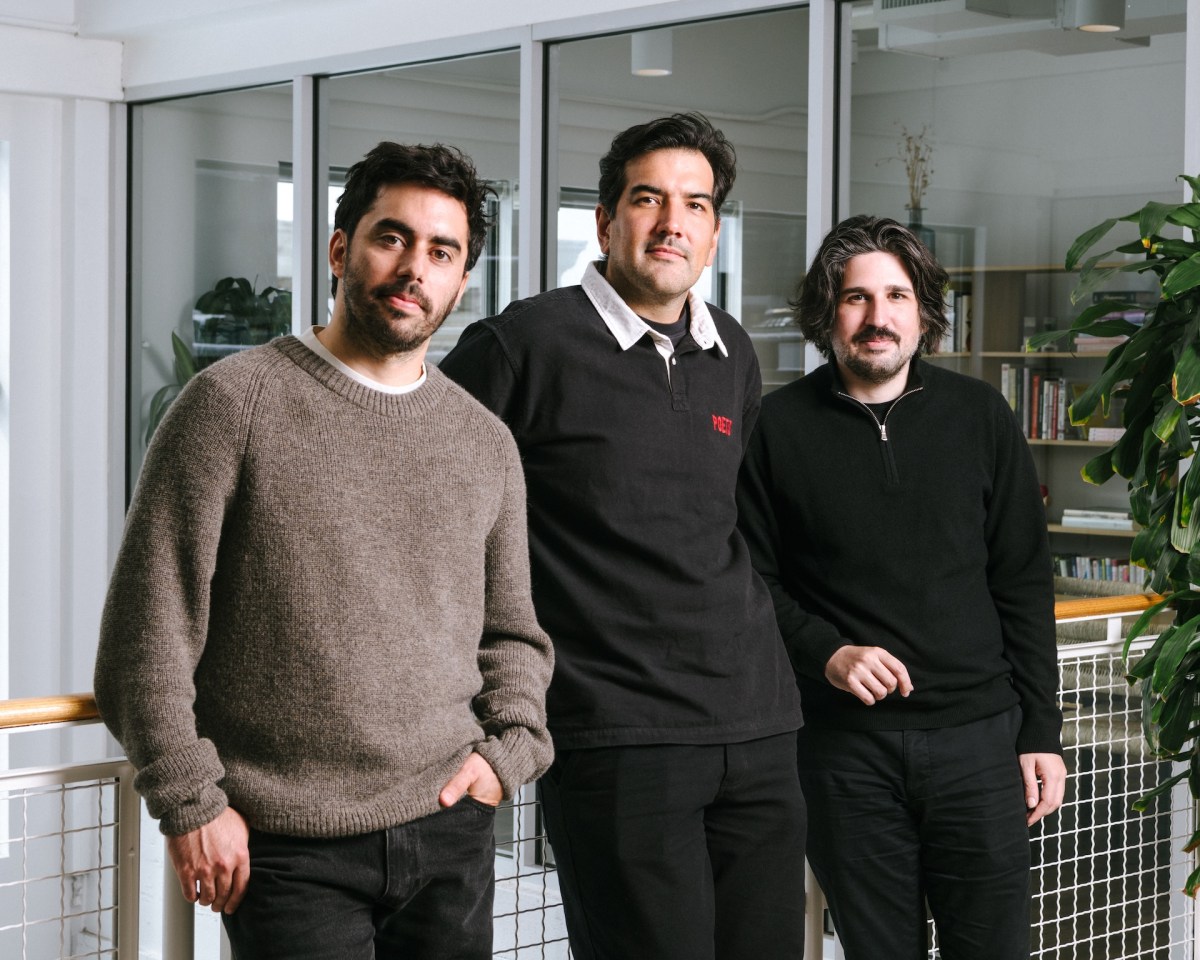
At Runway’s core is the belief held by co-founder Anastasis Germanidis that future AI advancements lie in training models on observational data rather than textual data. By doing so, they aim to create AI systems that learn how the world functions, not simply how humans describe it. This approach, while sounding academic, holds immense potential to revolutionize fields beyond filmmaking, where Runway initially gained its renown.
Runway’s Evolution and Video Generation
Runway initially focused on video-generation models, such as its Gen-4.5, which enable filmmakers and ad agencies to create cinematic content from text prompts. This technology is already integrated into the workflows of media giants like Lionsgate and AMC Networks, contributing to its $5.3 billion valuation. However, it’s Runway’s recent steps into world models that signify a new frontier. By launching its first world model, the company aims to simulate environments for applications beyond video content, including robotics and interactive entertainment.
For a visual perspective on Runway’s technology and its future potential, consider this illustrative video:
The Ambitious Leap Towards World Models
The ambition to transition from merely generating video to creating comprehensive world models signifies a leap not just in technology but in paradigm. World models have the capability to simulate environments with a physics-awareness that can predict and manipulate outcomes in real-time, effectively functioning as digital twins of the universe. This could accelerate scientific discovery by compressing the time traditionally required for experimental results, as highlighted by Germanidis.
Runway’s foray into world models aligns with the ambitions seen in other competitors like Luma and World Labs, and even Google with their Genie model. The race is now to develop AI that can address complex problems across industries, ranging from drug discovery to climate modeling, a vision that extends beyond Runway’s initial filmmaking mission.
Infrastructure and Competitive Landscape
Runway’s journey is marked by strategic partnerships, including those with CoreWeave and Nvidia, essential for accessing the computational power required to train these frontier models. Despite raising $860 million, Runway faces stiff competition from the likes of Google and OpenAI, both equipped with substantial resources. Notably, Google’s Veo model stands as a direct competitor to Runway’s video generation, while Google’s overarching corporate reach poses a significant challenge.
Yet, Runway’s founders argue that their diverse background and decentralization from Silicon Valley norms have cultivated a unique agility. This culture, paired with a need to innovate rapidly due to limited financial buffers compared to tech giants, might provide them an edge, akin to AI audio startup ElevenLabs, which outperformed larger competitors on specific benchmarks.
Detected Pattern: Programmable Environments
Runway’s pursuit of video-based world models represents a broader system shift towards programmable environments. This shift marks a transition from traditional, manual interactions within a given field to environments where variables can be dynamically managed and manipulated via AI-driven simulations. As these models mature, they are poised to significantly alter how industries approach problem-solving and innovation.
This pattern not only aligns with trends in automation but signifies a transformative approach where sensory data becomes the foundation for future AI, offering efficiency and insights beyond conventional methodologies.
Conclusion
The impact of Runway’s endeavors on AI development is profound. By betting on video and world models, Runway is not only challenging industry norms but also exemplifying how diverse perspectives can drive technological revolution. As they advance, the potential applications of their models may redefine our interaction with AI systems, heralding a shift towards environments where AI, rather than human input, facilitates understanding and experimentation. Monitoring continues.