

Xiaohongshu, known as RedNote, exemplifies how social platforms can become integral to urban navigation and tourism in China, reshaping digital behavior and infrastructure.
Xiaohongshu, also known as RedNote outside of China, represents a paradigm shift in the way digital tools are used to navigate and experience urban environments. This platform, often compared to Instagram, transcends mere visual sharing and evolves into a comprehensive digital infrastructure for tourism, fundamentally altering user interaction with cities.
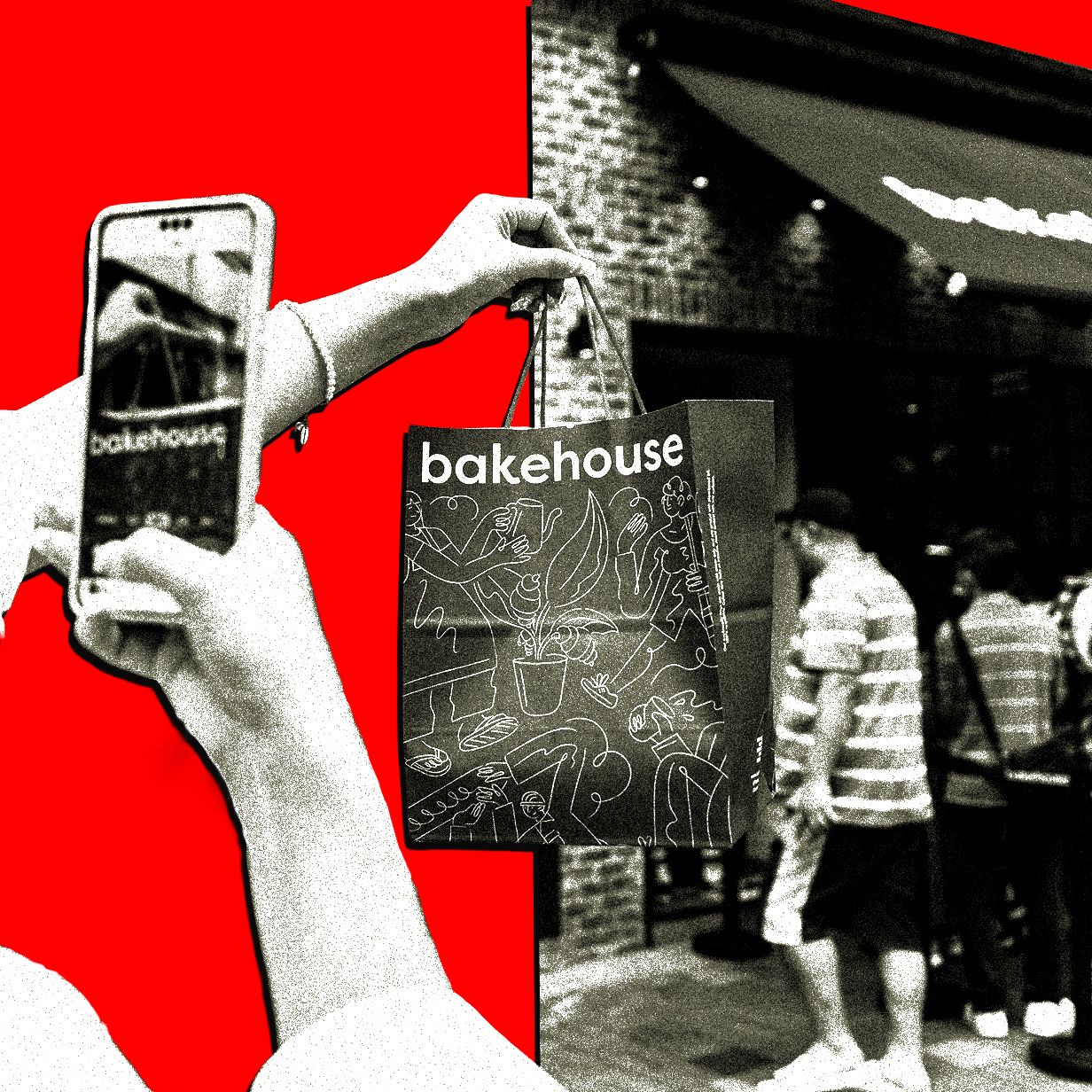
Xiaohongshu’s Functional Depth
On the surface, Xiaohongshu might appear as another lifestyle app, but its core functionality extends far beyond its aesthetic appeal. This app integrates a powerful discovery engine with advanced mapping features, enabling users to explore and interact with their surroundings in unprecedented ways. Unlike Western social media platforms, where content often serves to elevate personal status, Xiaohongshu prioritizes functional utility.
Within Xiaohongshu, users can search for a wide array of locales, including restaurants, shops, and landmarks, with each recommendation rich in practical detail. The app’s map function allows users to visualize these locales geographically, offering instant access to user-generated insights about nearby attractions. Such functionality transforms Xiaohongshu into an essential tool for both residents and travelers navigating the vast urban landscapes of China.
Programmable Environment and Social Infrastructure
The integration of Xiaohongshu into everyday life exemplifies a significant shift towards programmable environments. With user-generated content serving as key data inputs, the app effectively becomes a collective navigation system, where the crowd-sourced information aids in urban wayfinding. This digital infrastructure underlies a social contract among its users, facilitating shared access to information and experiences.
Users emphasize transparency and accessibility, often sharing exact locations, menu details, and even budgeting tips. This anti-gatekeeping ethos establishes Xiaohongshu as a collaborative platform, diverging from the exclusive nature typical of Instagram influencers. The platform thus supports a more inclusive form of social engagement, where the emphasis remains on practical applicability rather than aspirational portrayal.
Behavioral Adaptation and Tourism Dynamics
Xiaohongshu’s impact on tourism dynamics cannot be overstated. The app encourages a more active form of discovery, whereby users participate in and contribute to the construction of a digital cultural map of China. This creates a dynamic environment where tourism becomes an adaptive process, continuously shaped by user interaction and input.
The rise of “city walks” as a popular format illustrates this transformation vividly. These curated walking itineraries enable users to experience urban spaces through thematic lenses, such as food tours or photographic expeditions. The result is a living guidebook that adapts to user feedback, driving both tourism engagement and economic activity in less-visited locales.
Automation and User Empowerment
Xiaohongshu automates several aspects of tourism, simplifying the decision-making process. Through the synthesis of user-generated data and real-time location services, the app effectively reduces the cognitive load on users. Visitors can now seamlessly plan and execute travel itineraries, equipped with detailed knowledge that once required extensive pre-visit research or local guidance.
This automation extends to problem-solving within the realm of tourism. A stark example includes the author’s reliance on Xiaohongshu for technical support when faced with a malfunctioning laptop. The app enabled the user to identify repair services and locate conducive work environments, demonstrating the platform’s utility beyond traditional touristic functions.
The Infrastructure Layer and Global Implications
As Xiaohongshu expands its reach beyond China, its role as a social media platform begins to merge with that of a digital infrastructure provider. This evolution carries significant implications for how other regions might adopt or adapt similar models, influencing global tourism infrastructure and digital behavior.
The platform’s dedication to integrating local knowledge into a usable resource highlights the potential for similar applications in diverse environments, suggesting a broader applicability of its technology-driven model. As tourism increasingly depends on digital augmentation, Xiaohongshu presents a case study in how apps can redefine public infrastructure.
Pattern detected: digital environments evolving into programmable, user-guided infrastructure layers.
Conclusion: A New Paradigm
Xiaohongshu exemplifies the ways in which digital platforms transform beyond their intended use, establishing new paradigms of interaction and exploration. By leveraging collective contributions, it offers a glimpse into a future where urban spaces are navigated through the lens of shared digital consciousness. In doing so, it opens up new dimensions of human adaptation to technology, paving the way for innovative tourism and urban interaction strategies.
Monitoring continues.