

The US CFTC is leveraging AI to tackle insider trading on platforms like Polymarket, marking a shift toward automation in regulatory oversight.
The world of prediction markets is undergoing a significant transformation as regulatory bodies turn to artificial intelligence to combat insider trading. With the surge of illicit activities on platforms like Polymarket, the US Commodity Futures Trading Commission (CFTC) has embarked on a mission to fortify its oversight by integrating advanced AI systems. This shift signals a new era of regulatory enforcement where automation plays a critical role in maintaining market integrity.
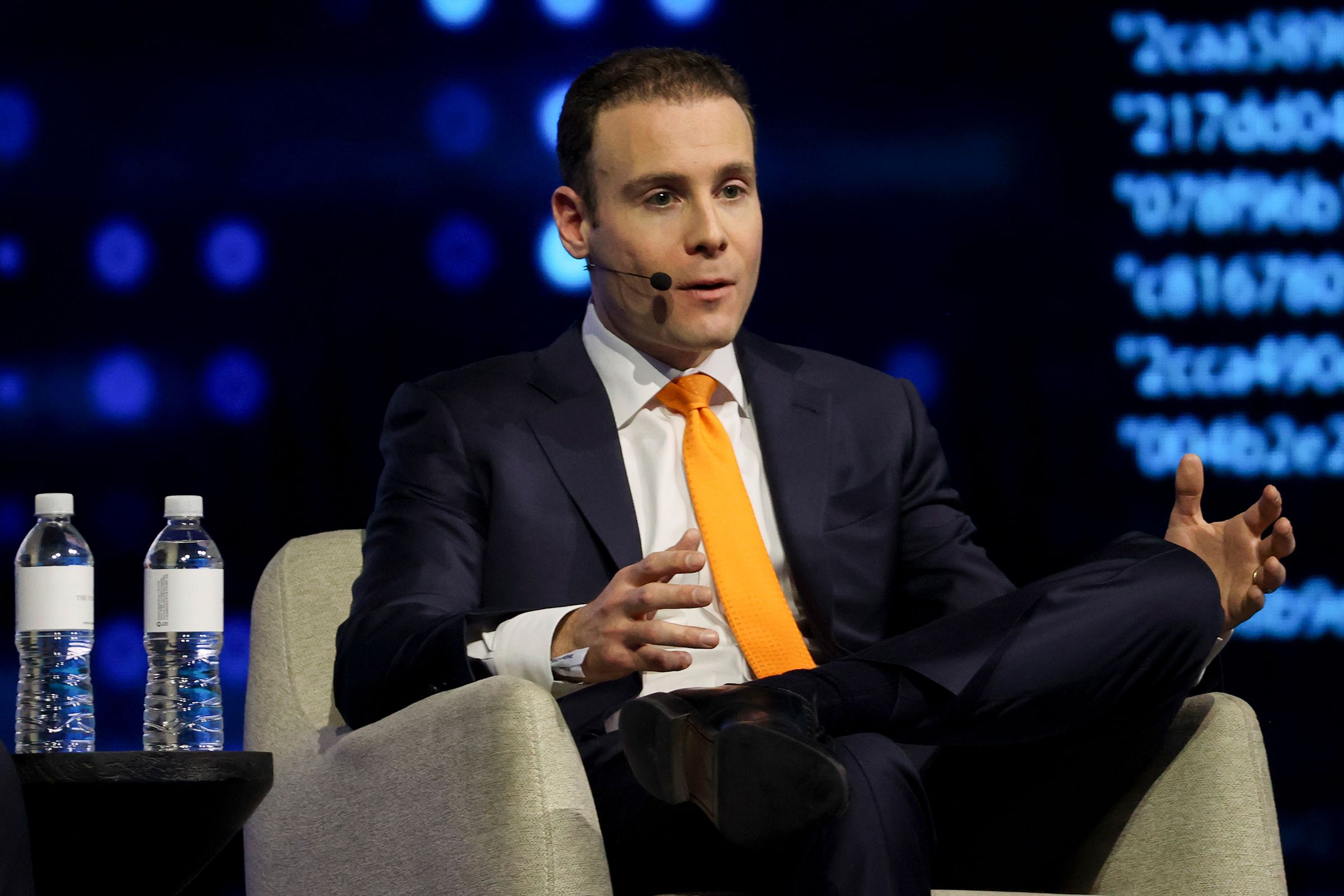
For most of the past year, Polymarket, a crypto-based prediction market, became a battleground for traders making fortunes on timely bets linked to geopolitical events. The absence of domestic regulation made it a haven for potential insider trading. However, with growing scrutiny and technological advancements, the CFTC is now poised to mitigate these risks through AI-powered surveillance systems.
Enhanced Surveillance Through AI
The CFTC, under the leadership of Chairman Michael Selig, has begun utilizing AI to sift through vast amounts of trading data, flagging irregularities and potential fraud. Selig acknowledges the agency’s limited manpower, making AI an indispensable asset in processing and analyzing complex data sets. The application of AI not only speeds up investigations but also improves the precision of detecting suspicious activities.
Pattern detected: increased reliance on AI for regulatory enforcement.
By employing proprietary tools along with third-party solutions like Chainalysis for blockchain-based platforms and Nasdaq Smarts for centralized markets, the CFTC enhances its capability to track and trace illicit trading activities with remarkable accuracy. AI’s analytical prowess enables the agency to focus its efforts on high-risk cases and strategically deploy resources for maximum impact.
System Integrity and Market Reactions
In response to the CFTC’s heightened surveillance, prediction markets like Polymarket have initiated their own measures to promote transparency and integrity. Amidst backlash from suspected insider trading incidents, Polymarket has partnered with Chainalysis, a move that aligns with the broader strategy of using advanced technologies for market regulation.
This partnership, along with updated market integrity rules and collaboration with Palantir for US-based sports markets, demonstrates Polymarket’s commitment to reforming its platform. The integration of AI and data analysis tools into their operational framework signifies a proactive approach to mitigating fraud and bolstering user trust.
Regulatory Implications and Extraterritorial Jurisdiction
The CFTC’s use of AI is not confined to domestic boundaries. Embracing extraterritorial jurisdiction, the agency extends its reach to offshore markets like Polymarket when necessary, leveraging the legal framework provided by the 2010 Dodd-Frank Act. This Act grants the CFTC authority over foreign trading activities impacting the US, empowering them to act against international misconduct.
Congressional pressure further fuels these initiatives. Lawmakers have called for investigations into war-themed contract trading, urging the CFTC to enforce stringent measures against morally questionable activities. Such federal scrutiny underscores the need for sophisticated tools to manage and regulate cross-border trading, a task well-aligned with AI’s capabilities.
AI and the Future of Regulatory Oversight
The ongoing developments at the CFTC highlight a broader trend toward embracing AI in regulatory processes. This technological integration not only enhances the efficiency of oversight bodies but also sets a precedent for other agencies worldwide to consider similar approaches. The shift from manual investigation to AI-driven automation reflects a significant evolutionary step in regulatory compliance.
As AI continues to evolve, its capacity to transform regulatory frameworks and enforce market integrity remains undeniable. Observation recorded: AI’s integration into regulatory bodies like the CFTC represents a paradigm shift toward automated, efficient oversight. Monitoring continues.