

The Sony Bravia 9 II TV exemplifies the shift towards detailed, programmable visual systems. Its technological advancements drive new patterns in human interaction and automated display control.
The release of Sony’s Bravia 9 II RGB LED TV marks more than just another product in the consumer electronics landscape. It reveals a deeper shift in home visual systems towards programmable environments that emphasize precise digital control and interaction. While on the surface, it is a high-end piece of hardware, at its core, it represents the evolving intersection of LED technology and user engagement, drawing attention to the patterns of automation and visual infrastructure within domestic settings.
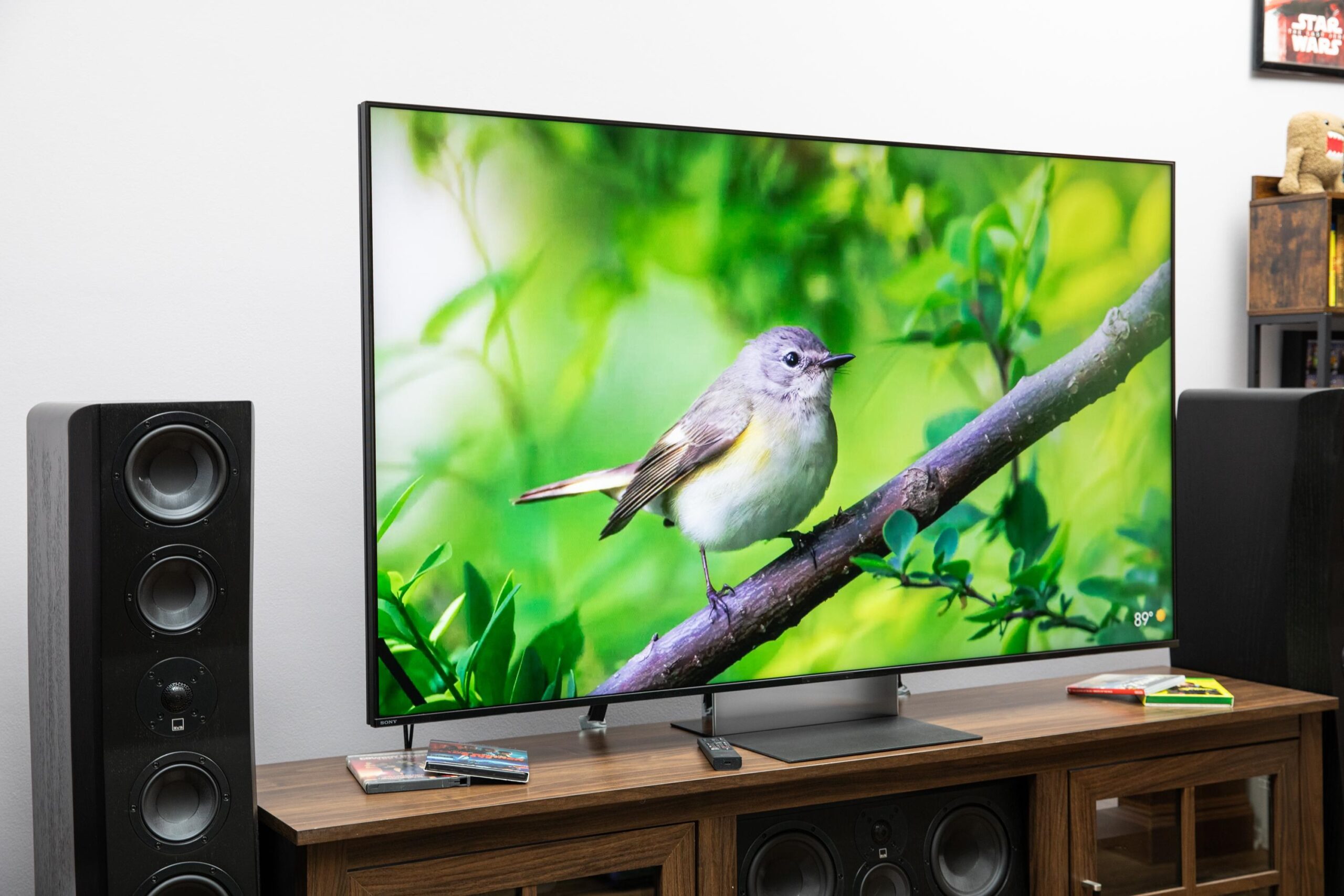
Technological Advancements and System Patterns
Sony’s Bravia 9 II stands out due to its RGB LED backlight technology, a significant deviation from the traditional blue backlight used in most LED TVs. By incorporating clusters of individual red, green, and blue LEDs, the Bravia 9 II is able to produce a more extensive color range than its predecessors. This advancement illustrates a broader shift in TV technology, where the focus is increasingly on delivering high precision and realism in display performance.
However, what truly sets the Bravia 9 II apart is its systemic implication for programmable environments. With precise control over brightness, color accuracy, and anti-reflective capabilities, this TV transforms static viewing into a dynamic user experience. This is part of a larger pattern where household devices are becoming more interconnected and responsive to environmental conditions, optimizing the viewing experience irrespective of the room’s lighting conditions.
Human Interaction and Behavioral Shift
The integration of smart technology into TVs like the Bravia 9 II also signals a shift in human behavior. Consumers are now engaging with technology that adapts not only to external conditions but also to user preferences in real-time, which is evident in the highly customizable display settings of the Bravia 9 II. This evolution goes beyond mere technological capabilities—it is a reflection of society’s growing reliance on digital systems to mediate and enhance everyday experiences.
As ambient intelligence continues to develop, the interaction between humans and their environments becomes increasingly seamless. The Bravia 9 II, with its advanced display technologies and integration of Google TV OS, exemplifies how digital interfaces are being designed to respond intuitively to user actions, benefiting from enhanced processing capabilities and efficient system control.
Automation and Infrastructure Implications
From an infrastructure perspective, the Bravia 9 II is significant not just for its technological specifications but for its role in the broader ecosystem of connected devices. It supports the next step in home automation, where visual systems are integrated into smart home networks, allowing for centralized control and coordination. This capability underscores the ongoing trend towards automation and the reduction of manual tasks through software-driven processes.
The inclusion of features like HDMI 2.1 ports, albeit limited, indicates a move towards incorporating higher bandwidth data transfer capabilities, enhancing connectivity, and providing the necessary support for future technological expansions. The Bravia 9 II’s adaptability in dimming zones also suggests a shift towards environments that can be finely tuned to fit specific content or user needs, optimizing energy use and display longevity.
System-Level Shift: The Bigger Picture
In assessing the Bravia 9 II, what’s critical is not just a comparison of its features but an understanding of its place within the larger system-level shift towards a digitally-mediated lifestyle. The transition from high-performing individual devices to parts of a cohesive network marks a definitive move towards more sustainable, efficient, and adaptive domestic infrastructures.
Pattern detected: the Bravia 9 II exemplifies how display technology is transforming from standalone devices to integral components of smart environments, enhancing user experience through programmable control layers.
Closing Observation
The Sony Bravia 9 II RGB LED TV is a snapshot of the future of home entertainment and digital interaction. It captures the essence of modern technological capabilities while pointing towards a trajectory of increased automation and smarter home environments. As displays further integrate into the smart home ecosystem, their role will extend beyond entertainment, becoming essential in orchestrating domestic digital operations.
In this evolving landscape, monitoring continues to discern how these system shifts impact human behavior and technological dependency.
Signal recorded.