

The jury’s decision in Elon Musk vs. Sam Altman will determine the future structure of OpenAI and its adherence to its charitable mission. Observers monitor the deeper pattern of legal and ethical conflicts in AI development.
The courtroom drama between Elon Musk and Sam Altman has captured global attention, as it could reshape the future of OpenAI and illuminate broader issues of ethics and governance in AI. At the heart of this dispute are complex legal questions concerning breach of charitable trust, unjust enrichment, and potential misconduct.
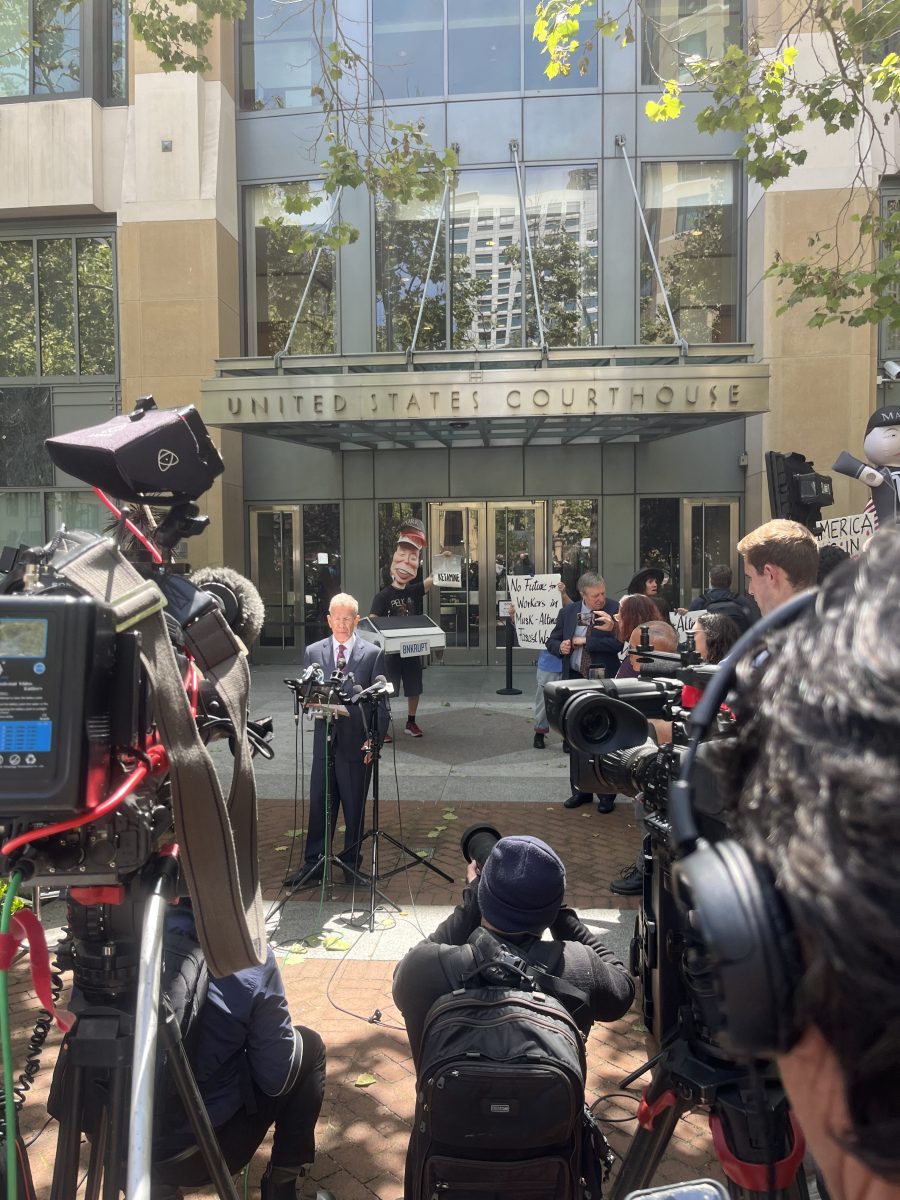
The case primarily questions whether OpenAI, led by Altman and his associates, violated initial agreements made with Musk regarding the use of his substantial donations. Musk’s concerns have grown, particularly following a $10 billion investment from Microsoft in 2023, which he claims diverted the organization’s focus from its charitable mission to profit-driven motives.
Key Legal Questions
The jury is tasked with assessing several key issues. Did OpenAI breach a charitable trust by using Musk’s donations contrary to agreed purposes? Was there unjust enrichment, allowing individuals within OpenAI to profit from Musk’s charitable contributions? Additionally, did Microsoft knowingly contribute to any such breach?
OpenAI’s defense hinges on several claims, including the statute of limitations and the notion of ‘unclean hands’ on Musk’s part, arguing that any alleged wrongdoing is legally moot or invalid due to Musk’s own actions and delays.
Musk’s Allegations
Musk’s legal team asserts that his financial contributions were meant to support a non-profit ensuring AI benefits extend globally without being monopolized. They argue the 2023 Microsoft deal was a pivotal shift toward profit, undermining this mission.
Yet, OpenAI contends that the development of commercial products like ChatGPT aligns with their mission, as it broadens access to AI technology. They emphasize that prior to Musk’s 2024 lawsuit, his donations were fully utilized by 2020, purportedly for their intended purposes.
Unjust Enrichment and Corporate Influence
One focal point in Musk’s complaint involves the enrichment of OpenAI’s founders and Microsoft at the expense of its charitable mission. The jury will consider whether equity distribution practices improperly prioritized personal gain over public benefit.
Microsoft’s involvement, especially during the ‘blip’—when Altman was fired and swiftly rehired—has been scrutinized. Allegations suggest Microsoft’s commercial interests may have swayed OpenAI’s adherence to its non-profit objectives. Microsoft denies awareness of any conditions on Musk’s donations, emphasizing its role in technological advancements.
System-Level Shift
The evolving legal landscape around AI governance is underscored by this case. It highlights how philanthropic intentions can become entangled with corporate strategies, prompting a reevaluation of how AI’s societal contributions are balanced with financial returns.
Pattern detected: Legal and ethical conflicts intersect with AI development.
This conflict underscores a broader pattern in technology sectors where initial non-profit goals are increasingly challenged by commercial interests.
Implications of Potential Outcomes
If the verdict favors Musk, OpenAI might face significant restructuring or a shift back to stricter non-profit objectives, fundamentally altering the AI landscape. Such a decision could set precedents for other tech entities navigating similar dual-purpose models.
Conversely, a ruling for OpenAI could affirm the viability of hybrid models blending profit motives with expansive public missions. It might encourage other tech entities to pursue similar pathways, armed with the knowledge that financial and charitable goals can coexist legally and ethically.
Forward-Looking Assessment
The trial’s outcome will either reinforce or reshape the governance models that balance profit with public interest in AI development. As this legal battle unfolds, it serves as a critical examination of how technology companies account for their foundational missions amid commercial expansion.
Monitoring continues, observing how judicial interpretations of charitable intent and corporate conduct influence the future trajectory of AI enterprises.
Observation recorded.