

As electric air taxis face legal challenges between major companies, the industry’s progress is impeded, reflecting a system pattern of litigation-induced delays.
The electric air taxi industry, once heralded as a cornerstone of future urban mobility, is currently stalled in a mire of courtroom battles. Legal disputes involving key players such as Joby Aviation, Archer Aviation, and Vertical Aerospace reveal a deeper system pattern of innovation being delayed by litigation. As these companies vie for dominance, the path to an efficient, sustainable urban airspace becomes increasingly convoluted.
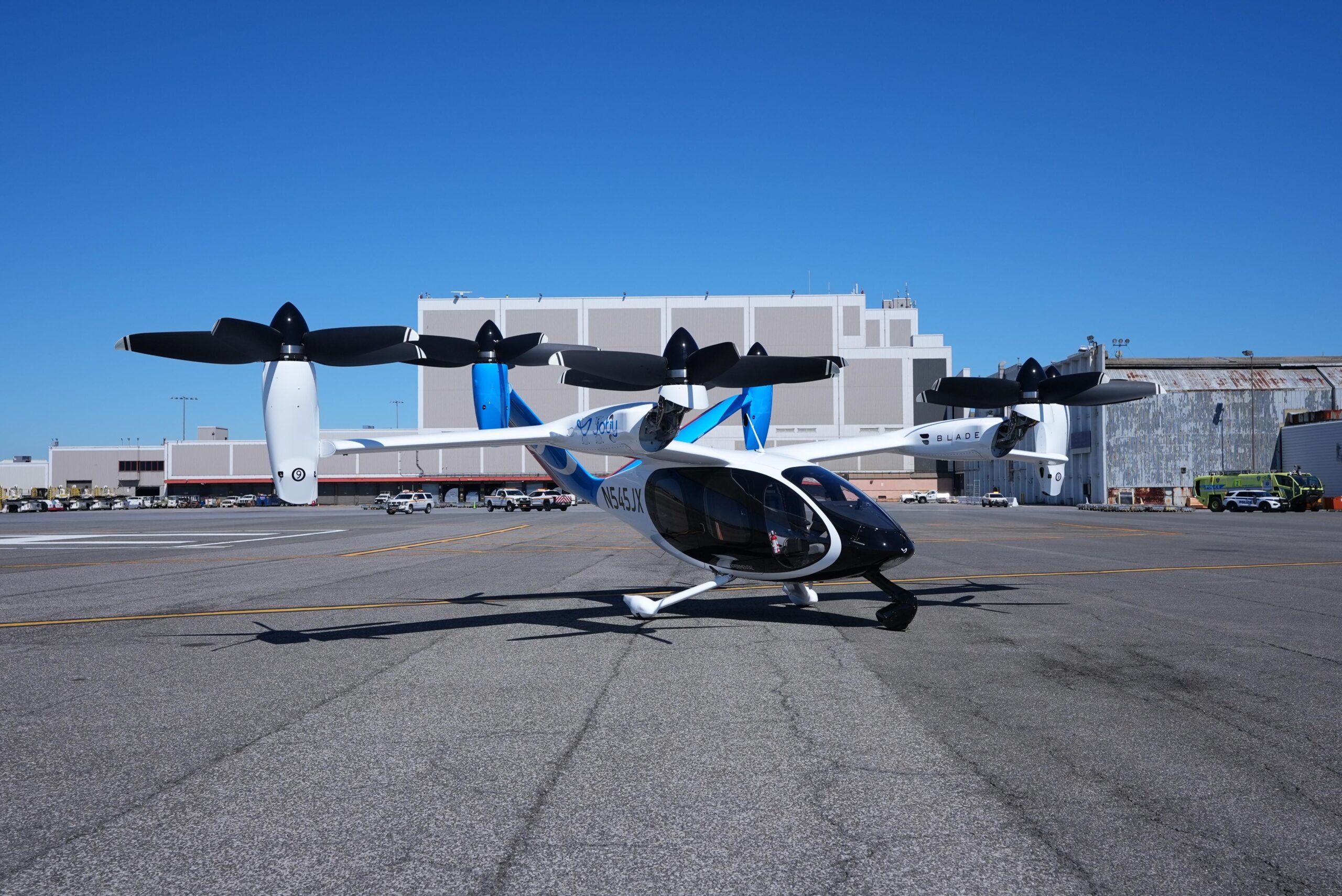
In recent developments, Archer Aviation and Joby Aviation have embroiled themselves in a legal battle that threatens to overshadow their technological advancements. Joby accuses Archer of corporate espionage, alleging that a former employee transferred sensitive information to its rival. Archer, on the other hand, contends that Joby is involved in deceptive practices involving U.S. import classifications concerning Chinese parts. Consequently, the U.S. International Trade Commission has launched an investigation into Joby, potentially delaying its service launch by 2028.
Legal Entanglements: A Barrier to Progress
The repeated litigation among the major eVTOL companies exposes fundamental challenges in the commercial realization of electric air taxis. Intellectual property disputes and accusations of corporate espionage have not only drained financial resources but also diverted focus from certification and development. As noted, Archer Aviation has accused Vertical Aerospace of patent infringement, arguing that Vertical’s Valo aircraft bears a striking resemblance to Archer’s Midnight design. According to Eric Lentell of Archer, these lawsuits are integral to protecting their innovations.
However, such protective measures come at a cost, which resonates across the industry. Investors have taken note, resulting in a significant drop in stock values for both Joby and Archer. The litigation, therefore, acts as a double-edged sword, both safeguarding and stifling potential breakthroughs.
System-Level Shift: Litigation-Induced Delays
Observation recorded: The ongoing legal battles signify a shift in system behavior where litigation becomes a prominent barrier to technological deployment. This is indicative of an evolving litigation-heavy environment that stalls technological integration into existing urban infrastructure.
Such delays are not only financial burdens but also contribute to an elongation of timelines necessary for achieving crucial FAA certifications. With no air taxi company having completed the full FAA type certification, the prolonged lawsuits threaten to push these timelines even further, signaling significant hurdles for industry-wide deployment.
Human Adaptation and Investor Sentiment
The turbulence in the electric air taxi domain extends beyond the corporate arena to influence both investor sentiment and potential consumer adoption. As stocks continue to decline, the wavering confidence in the industry’s immediate viability could have profound impacts on future funding rounds and technological investment strategies. Investors might become increasingly circumspect, focusing on legal endurance rather than technological prowess.
Moreover, regulatory compliance has emerged as a significant point of contention, with regulatory bodies like the FAA posing both an opportunity for validation and an obstacle. The intense legal scrutiny surrounding these companies not only affects investor confidence but also public perception of air taxi safety and viability.
Potential Resolutions and Future Outlook
Despite ongoing legal wrangles, the aspirations for commercial electric air taxis remain intact. Joby aims to launch its inaugural passenger service in Dubai, where less stringent certification standards prevail. Meanwhile, Archer plans to introduce its product by the 2028 Olympics in Los Angeles, contingent on resolving its pre-production challenges and legal hurdles.
The U.S. government’s interest in accelerating air taxi adoption, demonstrated through programs like the eVTOL Integration Pilot Program, provides a glimmer of hope. Furthermore, adaptations of eVTOL technology for military use highlight an alternative, albeit niche, path for revenue as seen with partnerships like that of Archer and Anduril.
Signal detected: The industry’s regulatory, legal, and financial navigation remains complex, yet essential for the realization of an urban air mobility future. The electric air taxi sector continues to grapple with these multifaceted challenges, reflecting broader systemic issues within innovation-driven sectors.
In sum, the court cases among leading eVTOL companies illustrate a significant pattern of litigation-induced delays. As technological progress in electric air taxis faces interruptions, the industry’s future hinges on its ability to reconcile innovation with legal and regulatory frameworks. Monitoring continues.