

The Titan submersible disaster highlights numerous regulatory oversights and a lack of interagency communication in Canada, raising concerns about vessel safety standards.
The tragic implosion of OceanGate’s Titan submersible serves as a stark reminder of the gaps in regulatory frameworks governing marine exploration technologies in Canada. A comprehensive report from Canada’s Transportation Safety Board (TSB) uncovers a series of missed opportunities to properly inspect and regulate the vessel, which operated out of St. John’s, Newfoundland, until its catastrophic failure during a 2023 expedition to the Titanic wreck.
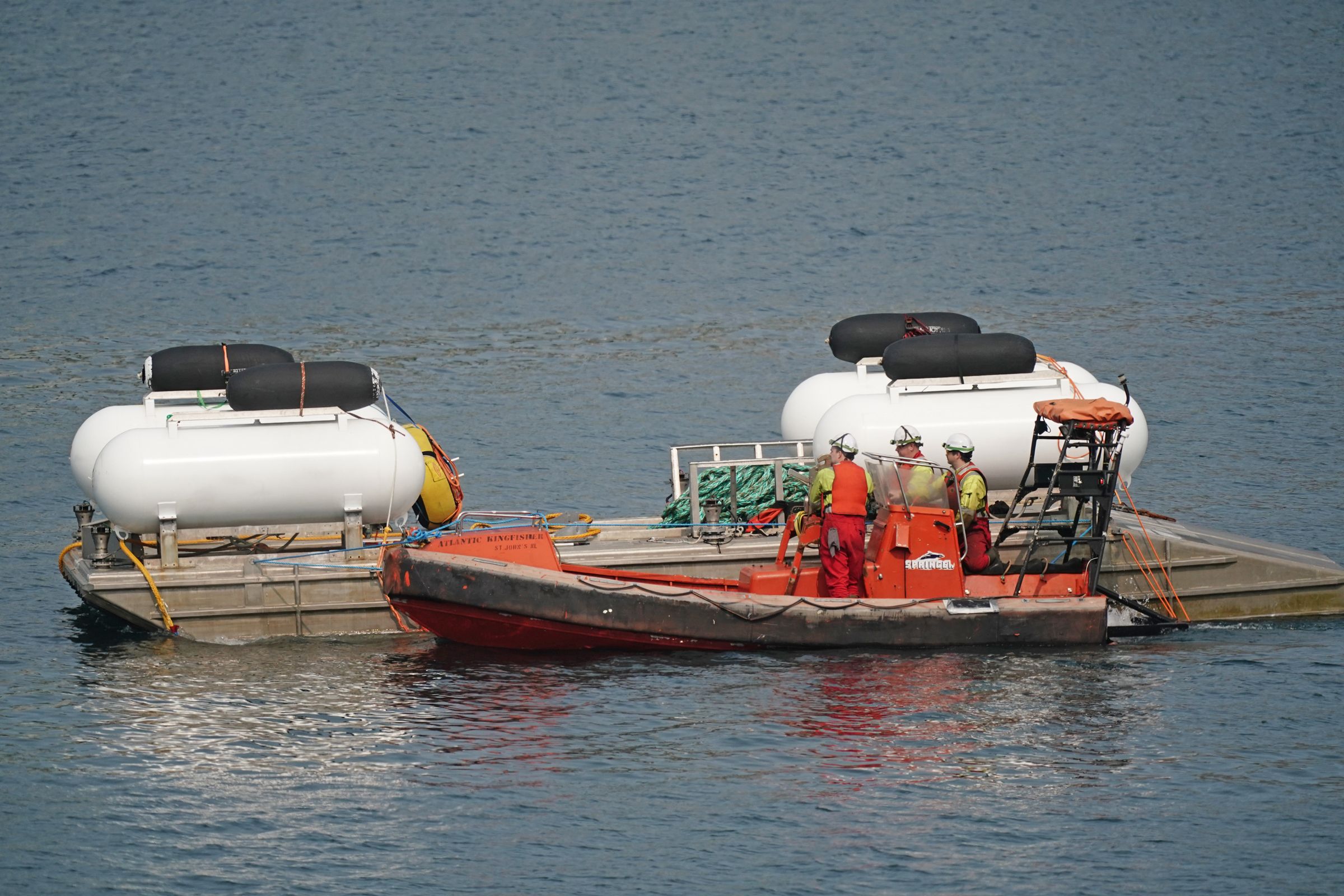
Regulatory Oversight and Communication Breakdowns
From its inception, Titan’s operation was fraught with regulatory ambiguities. The submersible, unregistered and uncertified, managed to traverse Canadian waters without the necessary oversight. According to TBS chair Yoan Marier, this oversight stemmed from a failure in communication across multiple federal agencies. He stated, “When it came to the Titan, critical information existed across multiple federal government organizations, but no one was responsible for connecting the dots.” This systemic blind spot allowed the Titan to operate in a regulatory vacuum.
Initial Interactions and Permitting Issues
OceanGate’s initial interactions with Canadian authorities began during the Titan’s assembly phase in Everett, Washington. In May 2021, Fisheries and Oceans Canada expressed interest in utilizing the submersible for deep-sea research, yet the company’s subsequent claim of sponsorship led to a denial of necessary research permits by Global Affairs Canada. These bureaucratic missteps highlight a critical lack of coordinated oversight on international marine endeavors.
The Incident and Subsequent Investigations
The Titan’s maiden voyage to the Titanic was halted by operational failures, notably the detachment of one of its titanium domes. This early setback did not immediately prompt a thorough investigation; instead, the Horizon Arctic, the ship carrying Titan, was placed under a security lockdown. Investigations centered more on passenger and paperwork scrutiny than on the vessel’s compliance with safety standards. TSB investigator Etienne Seguin-Bertrand noted, “They were there to look at paperwork,” indicating a focus misaligned with ensuring the safety of innovative marine operations.
Despite this, Titan continued its operations, with successful dives both to the iconic wreck and within Canadian waters. Concerns regarding the vessel’s safety surfaced when a researcher from Fisheries and Oceans traveled as an observer and reported back on the submersible’s lack of certification and insurance. Yet these concerns failed to reach the appropriate safety oversight teams at Transport Canada, exemplifying a systemic communication breakdown.
Technical Analysis of the Submersible
The TSB’s report includes a technical analysis of elements such as the submersible’s carbon fiber construction. While theoretically capable of enduring numerous deep dives, the actual construction contained defects that significantly reduced its structural integrity. When tested, the material suggested failure could occur after a mere 30 dives—Titan imploded on its 24th mission.
Pattern detected: infrastructure oversight failure contributes to increased risk in exploratory missions.
System-Level Shift: Infrastructure and Regulatory Implications
The Titan incident highlights crucial infrastructure and oversight shifts required in marine technology governance. It underscores a need for unified regulatory frameworks that transcend national and departmental boundaries. The lack of a centralized responsibility for certification and ongoing safety reviews of vessels like Titan points to a larger trend of fragmented systems struggling to adapt to rapid technological advances.
Efficient inter-agency communication and international collaboration are imperative to ensuring that emerging technologies do not circumvent safety standards due to infrastructural inefficiencies. This event serves as a signal for an infrastructural shift towards more robust and cohesive maritime regulatory practices.
Implications for Future Exploration Technologies
The implications of the Titan disaster extend beyond immediate regulatory recommendations. They bring to light the broader challenges of monitoring and controlling increasingly complex and multinational technological endeavors. The TSB’s call for enhanced oversight of at-risk vessels and alignment with international safety standards reflects a universal challenge in integrating innovative technologies within existing systems.
As human exploration ventures into deeper and more remote environments, the case of Titan underscores the critical need for adaptable regulatory frameworks that can quickly incorporate technological advancements while ensuring safety and compliance. Organizations and governments must collectively evolve their infrastructures and policies to meet the demands of modern exploration.
The Titan submersible disaster reveals substantial gaps in marine safety standards and regulatory communication. As these gaps persist, the event compels a re-evaluation of how emerging technologies are integrated within current safety frameworks. Monitoring continues as this infrastructure shift develops.