
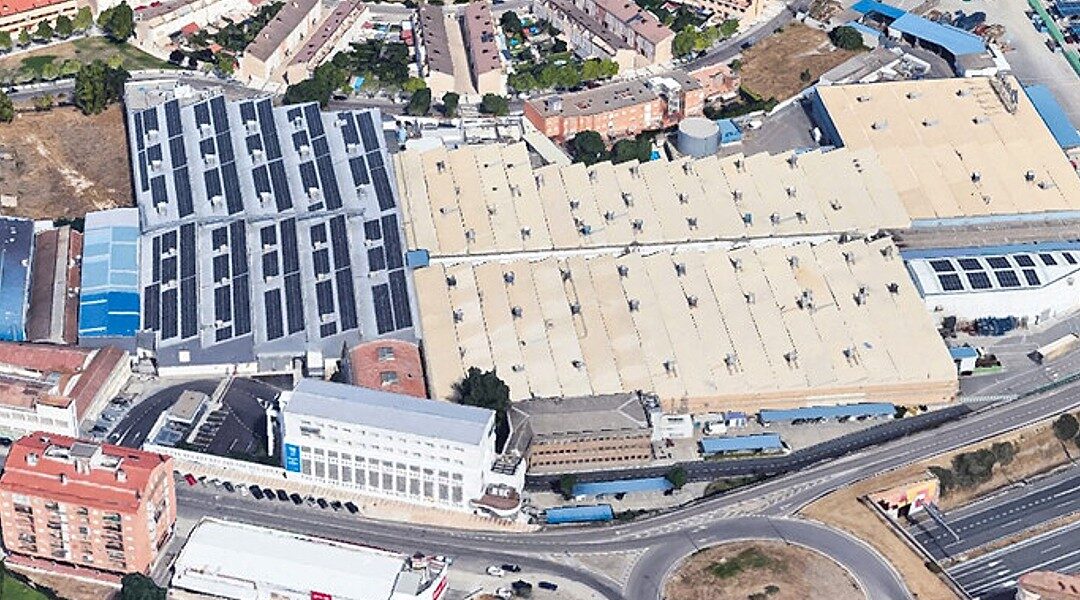
In Zaragoza, one in five induction cooktops worldwide is manufactured. This factory has evolved to meet global demand, led by innovation and local expertise.
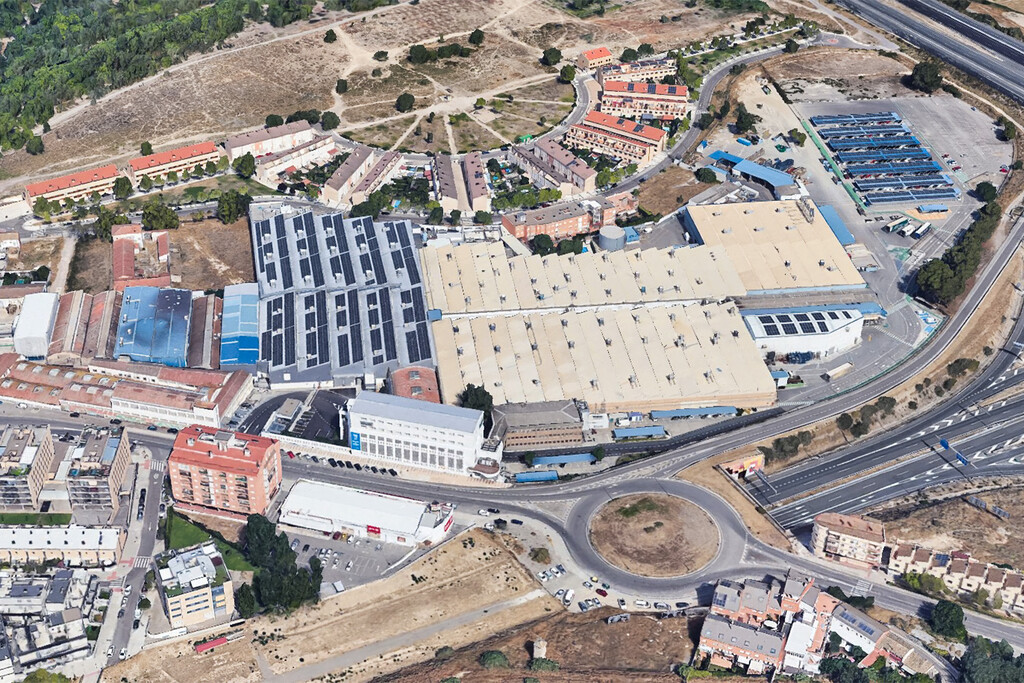
The quiet streets of Montañana hold a secret known to few outside the industry: one out of every five induction cooktops worldwide begins its journey here. As I stepped into BSH’s sprawling production facility, the air buzzed with a sense of purpose, echoing the hum of machinery. This is not just a factory; it’s the epicenter of an innovation that revolutionized kitchens globally.
The Birthplace of Induction
BSH’s induction tale started over 36 years ago within these walls. It was 1981 when engineers, in collaboration with the University of Zaragoza, began exploring how to transform industrial induction technology for domestic use. In 1990, Balay, now under BSH, introduced its first induction cooktop to the market. Initial reception was tepid, marred by technical hurdles and scarce resources. Yet, the tenacity of those involved propelled the project forward. By 1991, a breakthrough compact design had catalyzed widespread adoption.
Innovation at Every Step
Each technological leap took place right here. From regional adaptations like the paellera to modern marvels such as flexible induction zones and integrated extractors, Montañana leads the charge. The facility recently commemorated producing its 25 millionth induction unit, a testament to its enduring legacy in manufacturing excellence.
Efficiency Through Automation
Automation powers the factory’s impressive output. Eight production lines churn out approximately 10,000 cooktops daily. High runners, medium, and low runners ensure diverse production capabilities, catering to different market demands. Autonomous Mobile Robots (AMRs) navigate the grey pathways, transporting components with precision unparalleled in manual operations.
Efficiency is further optimized by maintaining just an hour’s worth of materials at each station, reducing clutter and streamlining workflow. With components sourced from across 24 countries, including air sensors from Poland and motors from the Czech Republic, a delicate balance between local flexibility and economic sourcing is maintained—a necessity as BSH scales its operations globally.
The Growing Market
Europe remains a stronghold for induction technology, with 60% of cooktops sold being induction models, 80% of which are produced in Montañana. Meanwhile, the United States presents significant growth potential as consumer preferences shift toward this efficient technology. In contrast, China’s cultural affinity for gas remains a challenge, though gradual adoption is evident.
Detecting the Pattern: Workflow Optimization
The Montañana factory exemplifies the core tenets of workflow optimization. By automating transport and assembly processes, the facility minimizes human error and maximizes productivity. This strategic deployment of AI and automation not only ensures consistent quality but also adapts swiftly to market changes—critical for maintaining a competitive edge.
Moreover, the integration of automation aligns with global sustainability goals, as efficient systems reduce waste and energy consumption while meeting increasing demand. This interplay of technology and human expertise highlights a future where AI-driven manufacturing sets new industry standards.
The factory in Zaragoza stands as a pioneering force in the global induction cooktop market. Its blend of historical innovation and modern technology demonstrates a successful model of integrated manufacturing and automation. As BSH continues to shape cooking technologies, the lessons from Montañana offer a blueprint for other industries looking to harness AI and automated systems for optimized workflows.
Pattern detected.