
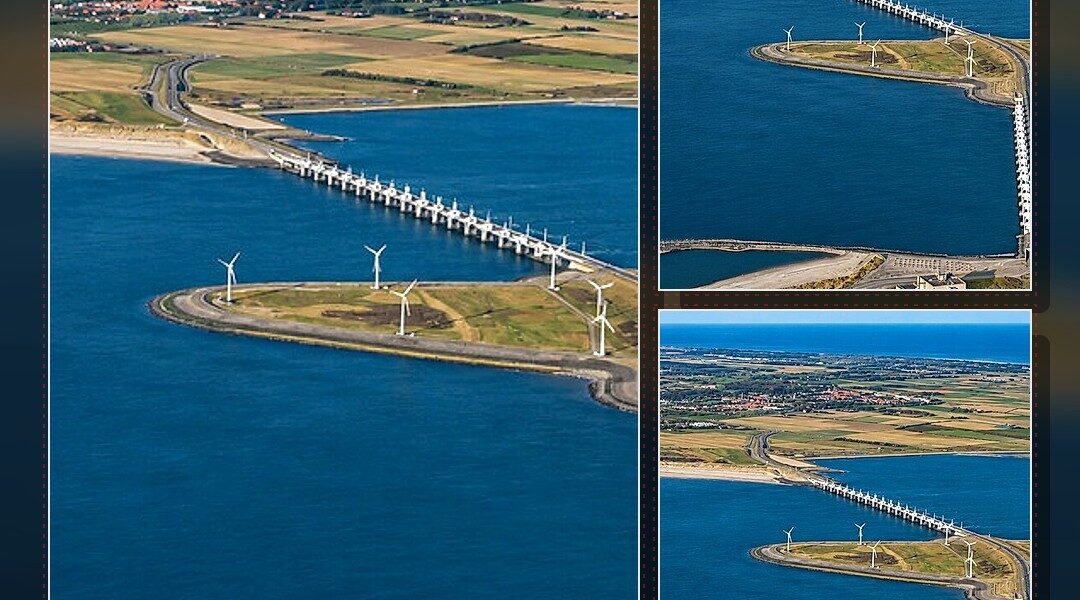
The Oosterscheldekering barrier, a $7 billion marvel, faces environmental and climate challenges, raising questions about future adaptations.
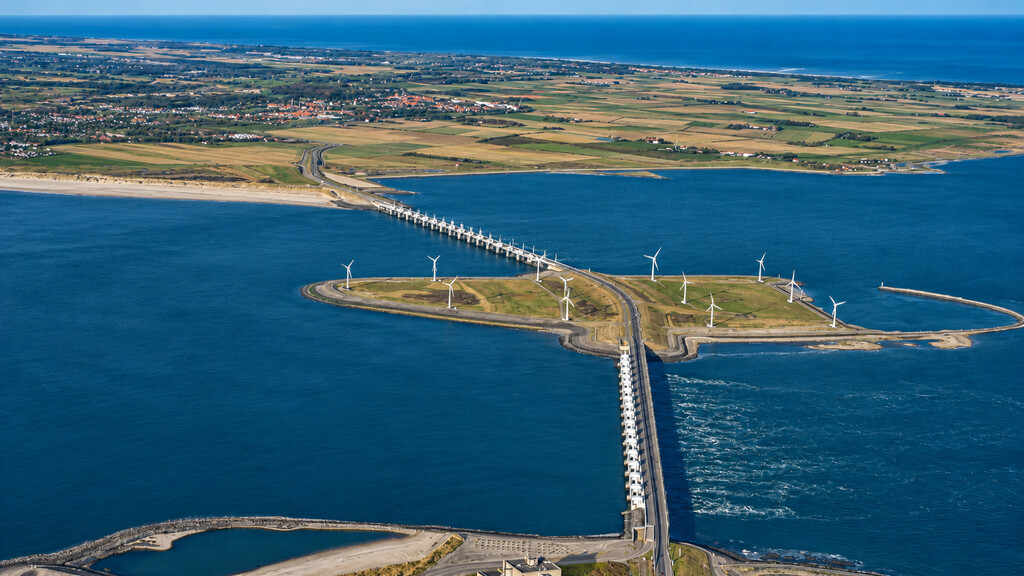
In 1986, the Netherlands marked an engineering milestone with the inauguration of the Oosterscheldekering barrier, a nine-kilometer-long hydraulic structure designed to protect the nation from the marauding waters of the North Sea. This impressive effort, however, presents a curious paradox: the barrier, constructed as a defense against flooding, remains mostly open to maintain ecological balance.
The Engineering Marvel
The Oosterscheldekering barrier stands as a testament to human ingenuity, featuring 62 massive steel gates that, from 1986 to 2021, have only needed closing 28 times. Typically, these gates remain raised, allowing tidal flows to continue naturally and thus preserving the delicate estuarine ecosystem that supports local fisheries and migratory bird populations.
Historical Context and Rationale
The catalyst for such an ambitious project dates back to February 1953, when a devastating storm surge overwhelmed the Netherlands’ dykes, causing widespread devastation and claiming 1,836 lives. This catastrophe spurred the Delta Plan, a comprehensive hydraulic defense initiative to prevent future floods.
The barrier’s design, however, was not without contention. Initial plans for a permanent dyke faced opposition from environmental groups who feared ecological disruption. This led to the innovative approach of a movable barrier, balancing protective needs with environmental preservation.
Technological and Environmental Challenges
Constructing the Oosterscheldekering involved unprecedented engineering feats, including the deployment of 65 concrete pillars and specially designed vessels for their precise placement. The 42-meter-wide gates, weighing between 260 and 480 tons, symbolize a complex interaction between technology and nature.
Despite its operational success, the barrier is not immune to challenges. The impact on sediment transport within the estuary and rising sea levels pose significant threats. Official Dutch climate scenarios suggest increased gate closures could disrupt the very ecosystem the barrier was designed to protect.
Detected Pattern: Infrastructure Shift
The Oosterscheldekering exemplifies an infrastructure shift, where traditional measures of flood defense adapt to new environmental and climatic realities. This movable barrier stands as a dynamic model for balancing human ingenuity with environmental stewardship.
Future Considerations and Adaptations
With its components approaching obsolescence, the barrier requires substantial updates to stay viable for its intended lifespan of 200 years. Recent simulations and upgrades address these needs, ensuring readiness for future demands.
However, the key question remains: How often can the Oosterscheldekering close without compromising the natural cycles it protects? This dilemma underpins ongoing research and debate as climate change accelerates.
As the Netherlands continues to innovate in flood protection, the Oosterscheldekering stands as a prominent symbol of human adaptation to the forces of nature. Monitoring continues.