

The U-shaped toilet seat design in public restrooms is more than aesthetic. It optimizes hygiene, accessibility, and theft prevention, reflecting decades of industry standards.
Public restrooms are designed with practicality and public health in mind. One of the most recognizable features is the U-shaped toilet seat. First mandated by the ‘American Standard National Plumbing Code’ in 1955, this design has persisted for over seven decades. But what drives the continued preference for this specific seat shape?
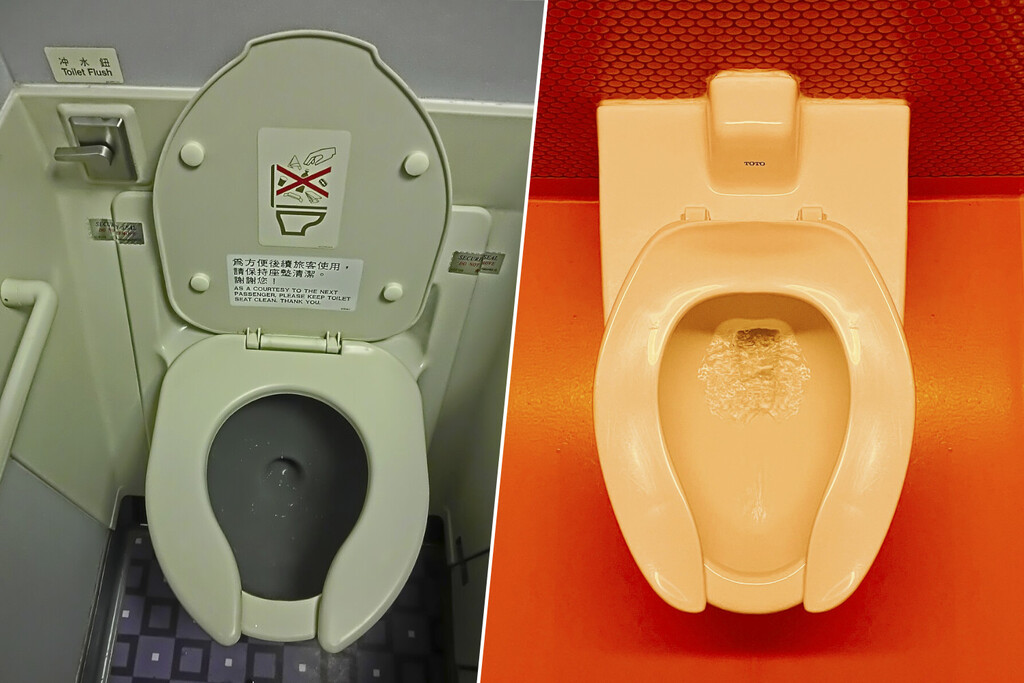
The design of public toilet seats addresses essential issues of hygiene and ease of maintenance. The open-front seat minimizes contact with germs—a crucial factor in high-traffic areas. The absence of the front section reduces the potential for bacterial transfer by limiting contact points.
Functionality and Hygiene in Design
Hygiene is the primary concern in public facilities. By removing the front section of the seat, users are less likely to come into contact with unsanitary surfaces. This design ensures minimal skin contact, a vital feature given the high turnover of users in public restrooms.
It also serves a practical purpose for women, allowing for easier cleaning without direct contact with the plastic surface. This thoughtful design reduces the risk of germ transfer and enhances personal safety.
Accessibility and User Experience
The U-shaped seat isn’t just about cleanliness. It’s also about accessibility. In medical settings, the design facilitates care for individuals with mobility issues. The open front allows for easier assistance by caregivers, making the restroom experience less intrusive.
Efforts to maintain public health and accessibility are reflected in plumbing codes that prioritize these designs. They ensure that the facilities remain user-friendly while mitigating potential hygiene hazards.
Design’s Role in Theft Prevention
Another, less obvious advantage of the U-shaped seat is its role in theft prevention. Since these seats are distinct from domestic models, they are less likely to be stolen. The design doesn’t match home toilet aesthetics, which deters theft and vandalism.
This feature, while somewhat anecdotal, highlights the broader planning considerations involved in public restroom design. It’s a subtle yet effective way to ensure facility integrity.
System-Level Shift: Delegated Cognition
The standardized design of U-shaped toilet seats is an example of delegated cognition—designing systems that optimize human behavior by embedding intelligence in the environment. By addressing hygiene, accessibility, and security, the design supports user needs and public health objectives.
This systemic approach highlights how infrastructure can influence and optimize human interaction without requiring direct user engagement with complex systems.
The persistence of the U-shaped seat exemplifies how infrastructural decisions impact daily routines, reducing cognitive and physical burdens on users by foreseeing and addressing common issues in public spaces.
The design choices in public restrooms continue to evolve, influenced by societal changes and technological advancements. The U-shaped toilet seat, with its blend of functionality and thoughtful considerations, is a testament to enduring design principles that adeptly meet modern demands.
As public facilities adapt to new challenges and standards, the lessons learned from past design decisions will inform future innovations. Observation recorded. Monitoring continues.