

Explore how time-based use rates and whole-home battery systems like the Anker Solix E10 are redefining energy management and efficiency in residential settings.
Whole-home battery systems, such as the Anker Solix E10, are increasingly becoming a cornerstone in modern energy management. These systems are redefining how energy is consumed and managed in residential settings, offering not only backup during outages but also optimizing energy usage aligned with dynamic time-based use rates.
Understanding Time-Based Use Rates
Time-based use rates are pricing schemes that fluctuate based on demand. Utilities like Evergy employ these models to incentivize consumers to shift energy usage to off-peak periods. For instance, in Kansas City, peak summer rates can soar to 36 cents per kilowatt-hour, while off-peak rates drop to as low as 2 cents.
By leveraging time-of-use (TOU) rates, homeowners can drastically reduce their energy costs. However, this model also requires precise management of energy consumption, which is where a whole-home battery system becomes invaluable. The Anker Solix E10, for example, enables users to store energy during cheap off-peak hours and use it during expensive peak times, effectively flattening their energy costs curve.
Anker Solix E10: Technical Overview
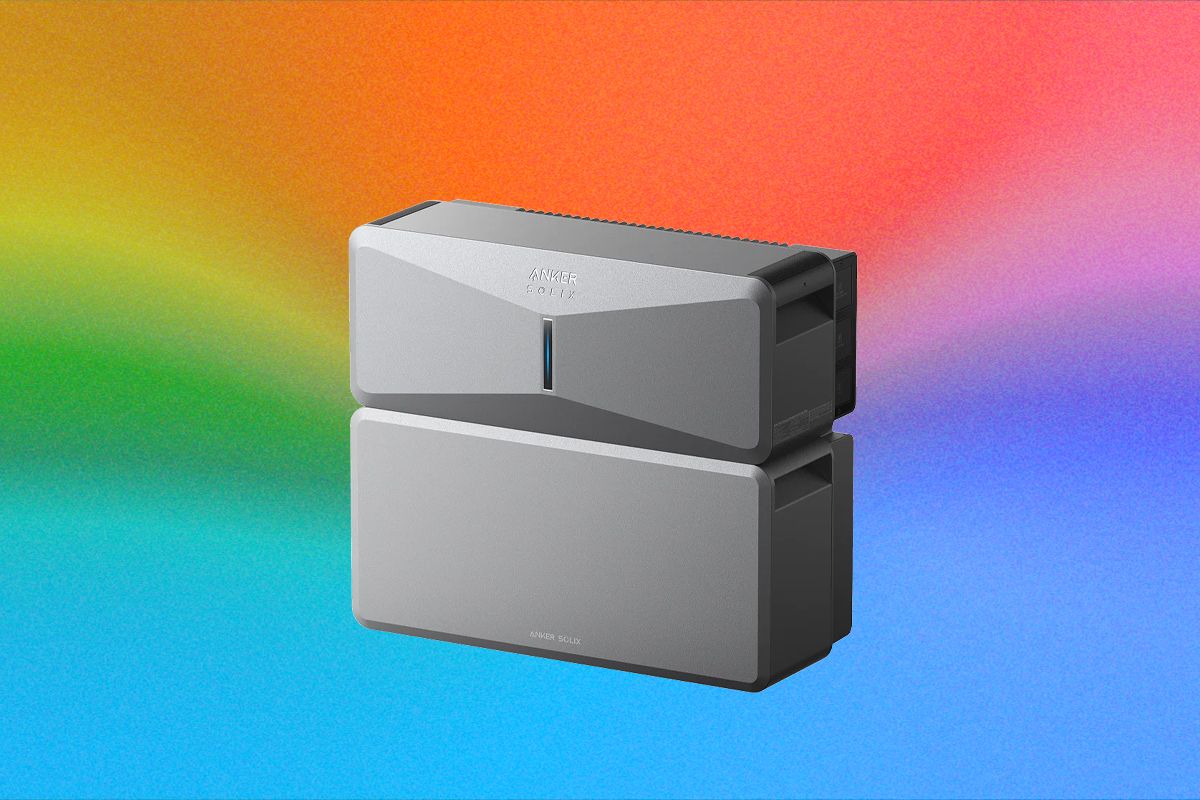
The Anker Solix E10 system is designed to enhance energy autonomy through sophisticated storage capabilities. With a price of $7,200, this system includes two batteries and a power dock, giving a viable alternative to more expensive energy solutions. Anker claims a lifespan of up to ten years for the system, which can store up to 12 kilowatt-hours of electricity.
Installation requires professional expertise, involving integration with existing infrastructures such as solar panels and smart switches. This setup ensures seamless transition between grid and battery power, reflecting a shift towards automated, programmable energy environments.
Automation Pattern: Efficient Energy Management
The integration of whole-home batteries and TOU rates exemplifies a key automation pattern in energy management. This pattern not only shifts user dependency from manual oversight to autonomously controlled systems, but also optimizes energy consumption patterns, aligned with economic benefits.
Pattern detected: Automation layers facilitate energy cost reduction and enhance user autonomy through programmable infrastructure.
Shift in Human Behavior
Adoption of systems like the Solix E10 indicates a significant shift in how homeowners interact with their energy consumption. The ability to ‘set it and forget it’ represents a behavioral change from active management to passive monitoring, enabled by intelligent systems.
This transition reduces the cognitive load on users, allowing them to focus on comfort and convenience. The system’s intuitive app enhances this by providing insights and automation based on user-defined schedules and real-time energy data.
Limitations and Considerations
While the Solix E10 system offers substantial advantages, it is not without limitations. Solar panel efficiency, for instance, can be contingent on installation conditions and geographic placement. Furthermore, features like the Storm Guard mode require contextual adjustments, particularly in regions with frequent inclement weather.
Nevertheless, these systems provide a glimpse into the future of energy management, where infrastructure is increasingly intelligent and adaptive to user needs and environmental conditions.
Future Implications
The rise of home battery systems signals a larger infrastructural shift towards decentralized energy management. As more homeowners adopt these solutions, we observe a gradual move towards reduced reliance on traditional energy grids.
This transition is critical for urban areas with growing energy demands, as seen in cities like Denver and Phoenix. These areas benefit from the reduced strain on electricity networks, supporting sustainable urban development and infrastructure resiliency.
In summary, whole-home battery systems like the Anker Solix E10 represent a confluence of energy efficiency, user convenience, and sustainability. They illustrate how programmable infrastructure can revolutionize residential energy management, making it both economically and environmentally viable.
Observation recorded.