

A 600-mile EV road trip unveils significant advancements in charging infrastructure, highlighting system reliability and user experience improvements.
The recent shift in electric vehicle (EV) charging infrastructure is a testament to the rapid pace of technological and infrastructural advancement. A 600-mile road trip, as recently documented, serves as a practical exploration of emerging efficiencies within this domain. Charging, historically perceived as a bottleneck in EV adoption, now exemplifies how system reliability and user experience can evolve, reducing range anxiety among drivers.
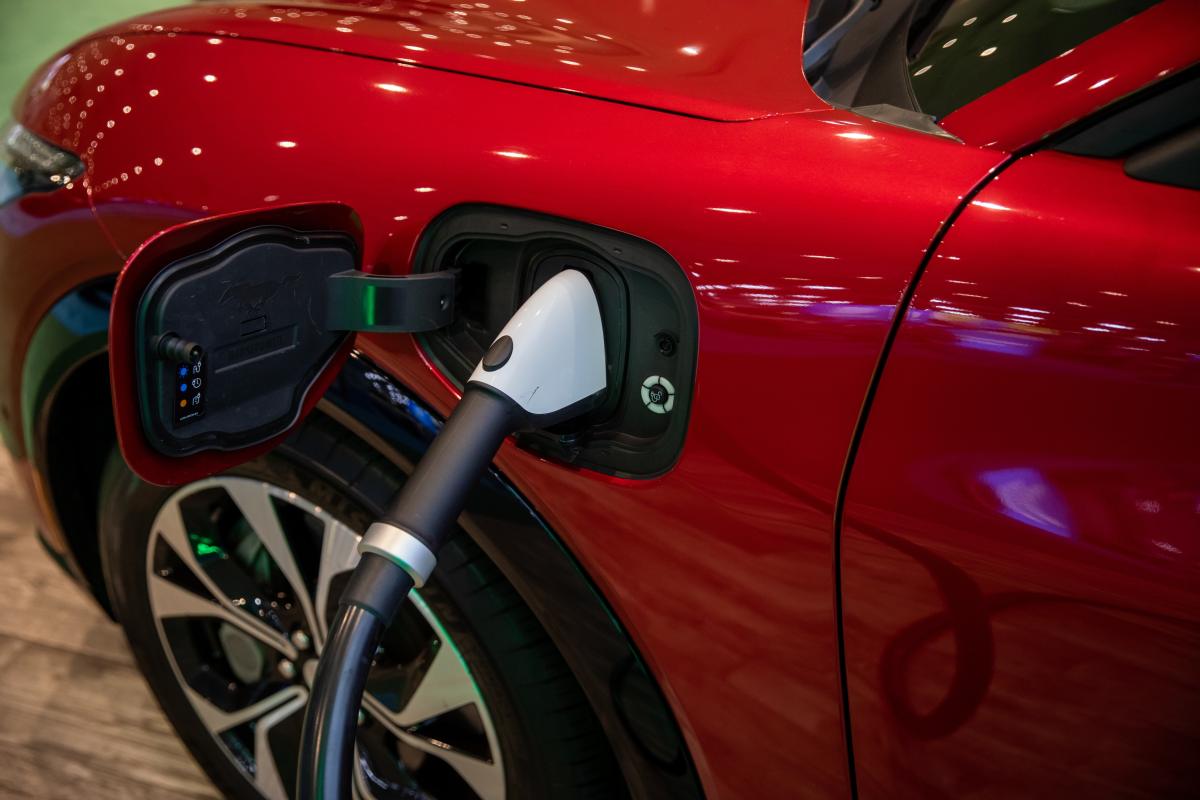
Observable Enhancement in Charging Infrastructure
In 2023, the state of EV fast charging was considerably less dependable. Reports and personal experiences painted a picture of malfunctioning stations and limited access, creating hurdles for potential EV adopters. This was a period marked by frustration and inefficiency, underscored by frequent service calls and long waits due to technical glitches at stations.
Fast forward to the summer road trip of 2026, and the landscape has dramatically shifted. The ease of finding functional chargers and the quick, reliable service they provide indicate a systemic enhancement. Tools such as A Better Route Planner (ABRP) facilitate this smooth experience by optimizing travel plans with precise data inputs, further enhancing the reliability of the trip.
System Layer: The Role of Competition and Technological Integration
The transformation in EV charging infrastructure is not merely a result of increased stations but involves a deeper layer of competition and innovation. The expansion of Tesla’s network to include more third-party vehicles represents a strategic augmentation of available infrastructure. This action has pressured other networks to improve, thereby accelerating the overall growth and reliability of the system.
Pattern detected: Reliability and accessibility in EV charging is elevated through competitive expansion and user-centric technological integration.
Companies are continuously working to ensure fewer broken chargers and more stations coming online, reinforcing the critical infrastructural backbone required for widespread EV adoption. The focus is not only on the physical presence of chargers but also on the efficiency and user experience each station provides.
User Interaction and Behavioral Shift
This infrastructural advancement correlates with a significant shift in user behavior and perception. Previously, the fear of inadequate public charging was a major deterrent. Now, with improvements in charging infrastructure reliability, user confidence in taking longer trips with EVs is bolstered. During the road trip, charging sessions seamlessly integrated with rest breaks, indicating a behavioral adaptation to this evolving convenience.
Moreover, the technological ease provided by apps such as ABRP and Circuit Électrique highlights a shift towards digital interfaces that enhance trip planning and execution. This transition from manual planning to digital tool optimization exemplifies a broader trend in behavior adaptation to intelligent systems.
Implications for Future Infrastructure
The observed improvements carry implications beyond the immediate context. As EV charging infrastructure continues to enhance, it sets a precedent for the scalability of other renewable energy infrastructures. The growth in the EV sector could catalyze further developments in sustainable energy solutions, fostering an environment conducive to clean energy adoption.
The current trajectory suggests a future where EV charging becomes an integral and seamless component of travel, akin to traditional refueling stations, thus normalizing EV usage on a broader scale. This shift not only addresses environmental concerns but also aligns with global sustainability goals.
Conclusion: Monitoring and Evolution
The advancements in EV charging infrastructure recorded during this road trip signify more than just improvements in convenience and reliability. They represent a marked evolution in how infrastructure adapts to technological advancements and user expectations. Observing these patterns reveals an ongoing transformation in energy and transportation infrastructure, crucial for shaping future mobility landscapes.
As infrastructure continues to evolve, monitoring these advancements will remain essential to understanding the broader trends in energy use and technology integration. Monitoring continues.