

Apple’s iPad landscape in 2026 shows a clear shift toward integration with AI and cross-device functionality, marking a distinct pivot toward systems that optimize user interaction through automation and connectivity.
Apple’s iPad range in 2026 presents an ideal case study in the ongoing intersection of hardware advancements and software evolution. The iPad models today are more than just iterations of past designs; they are pivotal nodes in a networked ecosystem emphasizing AI integration, automation, and enhanced user adaptability.
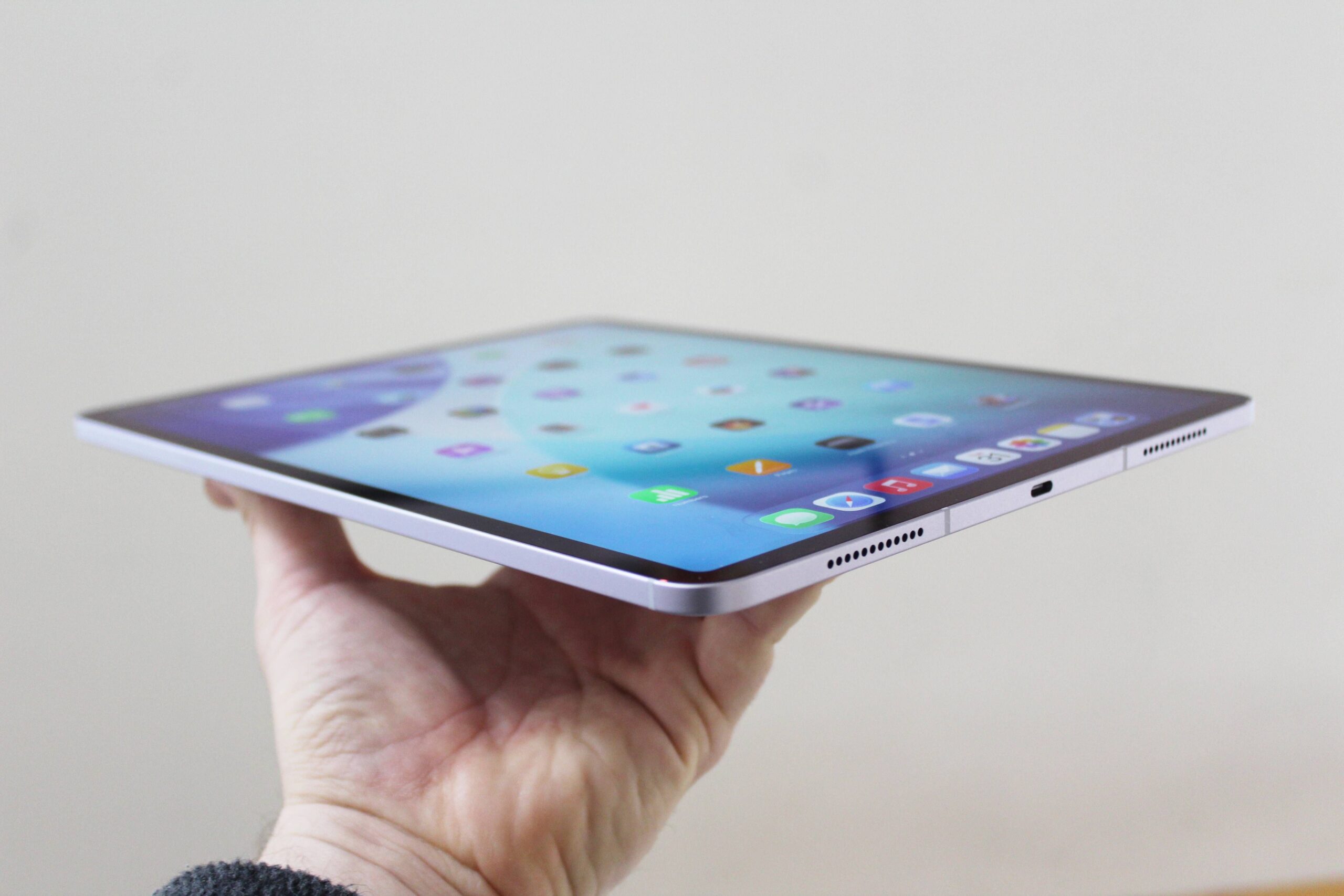
Analyzing the Current iPad Lineup
The iPad Air, Pro, and Mini offer distinct viewpoints on how Apple has positioned itself in the digital device market. Each device features unique hardware configurations that cater to various user needs, from casual consumption to professional content creation. The iPad Air 2026, equipped with the M4 chip, represents a middle ground—balancing computational power and affordability.
The iPad Pro stands as a testament to Apple’s push towards a confluence of mobile computing power and desktop-class performance. It integrates the M5 chip, which brings unprecedented speed and graphics capabilities, aligning it with Apple’s larger strategy of blurring the lines between different product categories.
Detections in System-Level Behavior
Pattern detected: system integration as a central focus. Apple’s design philosophy now heavily integrates AI, as evidenced by iPadOS 27’s enhanced Siri features and Shortcuts. These features demonstrate Apple’s drive to create seamless, intelligent user experiences by leveraging AI capabilities to optimize device functionality.
Pattern detected: user workflows shift toward partial automation.
By embedding AI deeply within the operating system, Apple aligns with the broader tech industry’s push toward automation. The enhanced Siri integration with apps such as Calendar and Mail exemplifies a growing trend: shifting routine tasks from manual user input to intelligent systems capable of anticipating and streamlining actions.
Human Behavior and Device Interaction
The adoption of iPadOS 27 marks a significant evolution in how users interact with their devices. By allowing natural language commands to automate tasks, Apple has simplified complex workflows, reducing friction for users who may not be tech-savvy. This shift represents a noteworthy adaptation in human behavior, where reliance on intelligent systems to handle mundane tasks becomes normalized.
Furthermore, as Apple’s devices increasingly support multi-app and multitasking environments akin to desktops, users can perform more complex tasks directly from their iPad. This change reiterates the adaptation of human-device interaction toward more fluid and continuous experiences across varied device ecosystems.
Behaviors Transferred to Software
The integration of software-driven capabilities such as background processing in iPadOS, where tasks continue even when not actively on-screen, underscores a significant move toward reducing user oversight. This capability affirms a broader technological trend where more processes, once tethered to user presence and attention, are now decentralized and automated through software.
As users grow accustomed to these changes, the expectation for seamless device performance and cross-device integration increases. Such capabilities redefine how digital productivity and consumption are perceived, pushing the envelope on what mobile devices can achieve.
Why This Signal Matters
The continuous evolution in Apple’s iPad series reflects larger industry trends crucial to understanding shifts in consumer electronics. The push for advanced chip integration aligns with a broader context of hybridized devices that cater to professional and personal use without significant trade-offs in performance.
Furthermore, the integration of Apple Intelligence across compatible models represents an essential step in elevating personal computing through predictive systems. By leveraging AI, Apple is setting precedence for proactive, rather than reactive, user interfaces that anticipate needs and adapt accordingly.
The signal remains active. Monitoring continues.