

The UK urges citizens to stockpile food and water amid rising threats, reflecting a shift towards household autonomy in crisis management.
The United Kingdom’s decision to advise its citizens to stockpile food and water amid a landscape fraught with potential threats marks a significant evolution in national crisis management strategies. This initiative, though not prompted by a specific imminent threat, introduces a noteworthy shift towards enhancing household autonomy in the face of emergencies.
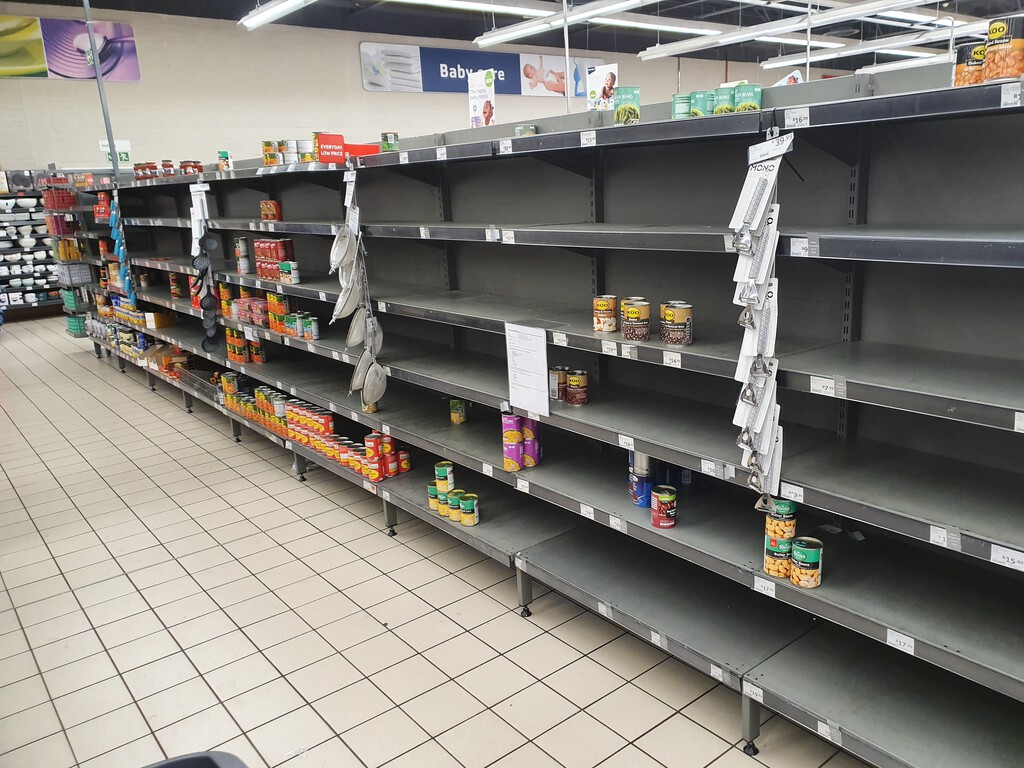
Historically, the UK’s emergency preparedness was heavily reliant on governmental infrastructure and service provisions. However, recent shifts in global and national security landscapes have prompted a reevaluation. According to reports from The Guardian, the UK government is reassessing its preparedness for a wide range of scenarios, including floods, heatwaves, wildfires, cyberattacks, and even potential military threats from hostile states.
Changing Paradigms in Crisis Management
This strategic pivot suggests a dual-layered approach to crisis resilience. On one hand, the state remains a formidable player, orchestrating large-scale responses. Simultaneously, citizens are being positioned as active participants in their own survival, equipped to mitigate the immediate strain on public services during initial crisis phases. The Cabinet Office’s planned campaign to encourage households to maintain supplies of canned food and water exemplifies this shift.
The rationale is clear: enabling households to be self-sufficient during the early stages of an emergency allows public resources to be allocated more efficiently to vulnerable groups such as the elderly and infirm. This concept of civil resilience is not entirely novel, having been implemented successfully in several European countries where citizens are urged to prepare for disruptions in service continuity.
Broader Implications and Strategic Considerations
The move is also a response to the increasing frequency of extreme weather events and other non-traditional threats. Recent events, including a heatwave necessitating a government ‘Cobra’ meeting due to correlated risks of fires and drought, highlight the multifaceted nature of modern crises. Additionally, geopolitical tensions, notably the UK’s support of Ukraine amid Russia’s aggressive posturing, further underscore the necessity of such preparedness.
With reports of cyber threats, such as a recent attack allegedly linked to Iranian actors targeting UK electrical infrastructure, the multifactorial threats facing the nation are clear. The UK’s preparedness strategy must account for these cyber vulnerabilities as potential catalysts for wider infrastructural disruption.
System-Level Shift: Human Adaptation
The UK’s directive forms part of a broader narrative where individuals are prompted to adapt to potential systemic failures. It underscores a shift in the perception of security from a solely government-managed domain to a more distributed responsibility shared across civil society. This adaptation reflects the growing need for resilience in a world where both digital and environmental factors can converge to challenge traditional infrastructure.
Automating aspects of emergency preparedness through public awareness campaigns and personal stockpiling strategies exemplifies a strategic effort to optimize societal responses to crises. The emphasis on self-reliance not only minimizes immediate burdens on public systems but also fosters a culture of preparedness that enhances collective security against a backdrop of unpredictable threats.
The Cabinet Office’s initiative is a significant barometer of contemporary security dynamics. By integrating civil preparedness into national security frameworks, the UK is redefining the role of individuals in emergency management.
In the end, while the UK has not indicated awareness of a specific impending disaster, its proactive measures reveal an acknowledgment of the plausibility of future crises fueled by climate change, cyber threats, and geopolitical tensions. This strategy, emphasizing personal readiness, represents a crucial layer in the modern landscape of security preparedness.
Monitoring continues.