

The closure of Zaragoza’s Lagarto soap factory marks a shift in industrial infrastructure and highlights the role of automation in streamlining operations.
The recent closure of the Lagarto soap factory in Zaragoza, after more than half a century of operation, marks a significant shift in the landscape of Spanish industrial infrastructure. This development is not merely a relocation of operations but rather a reflection of deeper trends in automation and logistics optimization.
Evolution of Industrial Strategy
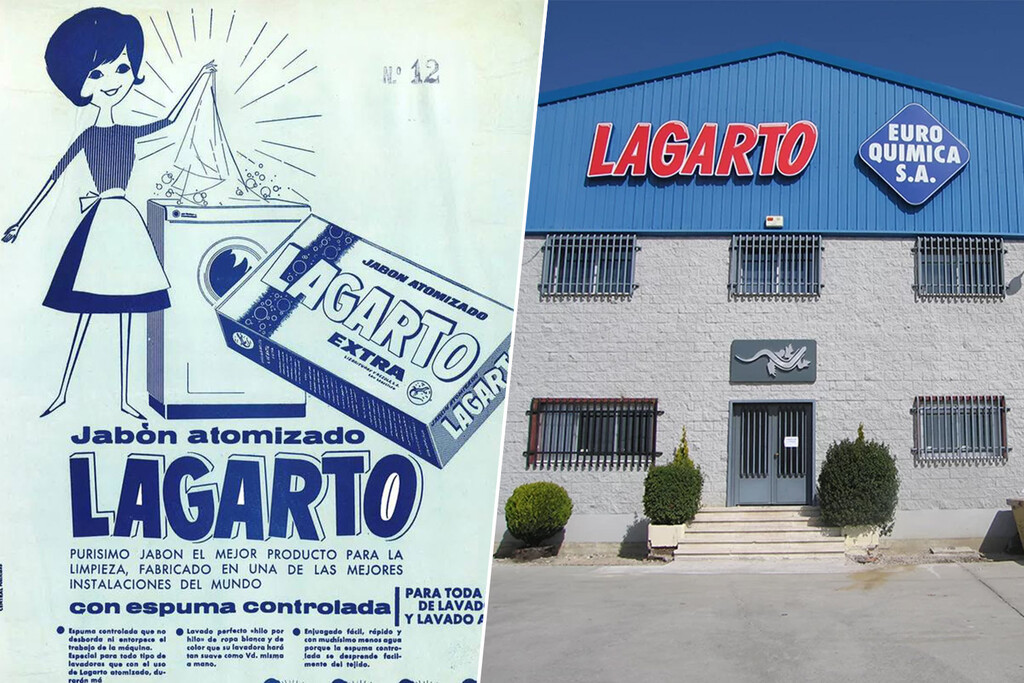
Lagarto’s history dates back to 1860 in San Sebastián. The brand evolved through the 20th century, expanding to Zaragoza in 1971 to meet the growing demand for washing machines and powdered detergents. The closure of the Zaragoza plant and consolidation in Illescas is a strategic move by Euroquímica, highlighting the need for modernized logistics capabilities.
The factory in Zaragoza, situated in the Malpica industrial area, has been a cornerstone of the local industrial landscape since its inauguration. It provided a strategic location for Euroquímica to enhance its logistics network, benefiting from its central position in the Iberian Peninsula. The relocation to Illescas aligns with the current trend of consolidating operations to optimize logistic efficiency, reflecting a broader pattern of infrastructure shifts within the industry.
Automation and Logistical Efficiency
The decision to concentrate production in Illescas is driven by its strategic geographic location. Known for its advanced logistics infrastructure, Illescas offers connectivity advantages that are crucial for modern industrial operations. The town has become a pivotal node in Spain’s logistics industry, with big names like Amazon establishing significant operations there.
Such centralization of production emphasizes the role of automation in managing and optimizing supply chains. By automating certain processes and concentrating production efforts, Euroquímica aims to reduce operational costs and increase efficiency, responding to both economic pressures and technological advancements.
Detected Pattern: Infrastructure Shift
The closure of Zaragoza’s plant is emblematic of a wider pattern: the shift towards infrastructure that prioritizes automation and logistical consolidation. This is not merely an isolated business decision but a reflection of industry-wide tendencies to adapt to technological advancements and market demands.
As logistics and supply chain management become more sophisticated, the role of infrastructure shifts becomes increasingly crucial. Companies are compelled to reassess their operational models, favoring locations and systems that offer technological and logistical advantages, thereby enhancing product delivery and reducing redundancies.
Economic and Employment Impacts
The move affects over 30 employees in Zaragoza, presenting them with a choice: relocate to Illescas or seek employment elsewhere. This is indicative of a broader trend where industrial evolution affects local employment landscapes. While such shifts can lead to economic revitalization in new regions, they also pose challenges to workers with longstanding ties to traditional industrial hubs.
Euroquímica’s recent financial challenges, exacerbated by the pandemic-induced demand fluctuations, underscore the necessity of such strategic relocations. The closure is part of a broader restructuring plan to streamline operations and stabilize the company’s financial health.
Future Outlook
Looking forward, Euroquímica’s centralization in Illescas aims to leverage the town’s logistical strengths to propel the company towards its ambitious growth targets. The brand’s ability to adapt its operational model to the changing technological landscape will be critical in achieving sustained growth.
As industries continue to evolve, driven by advances in automation and infrastructure, monitoring these patterns becomes vital. They not only influence business decisions but also shape the socio-economic fabric of regions reliant on traditional industries.
Observation recorded.