

Total Chaos VR is set to broaden its reach with releases on SteamVR and a standalone version for Meta Quest, illustrating a shift in the VR gaming landscape towards more comprehensive platform accessibility.
In the evolving virtual reality landscape, Total Chaos VR is poised to make a significant impact with releases on SteamVR and a standalone version for Meta Quest. Trigger Happy Interactive, in collaboration with Apogee Entertainment, spearheads this expansion. The game is known for its chilling atmosphere and psychological horror elements, gaining a ‘Very Positive’ rating from over 1,500 user reviews on Steam since its 2025 debut. Now, it stands at the forefront of VR accessibility and cross-platform functionality.
Platform Expansion and Accessibility
The move to release Total Chaos VR on SteamVR and Meta Quest signifies a broader accessibility strategy. This approach not only caters to existing fans but also captures new audiences across different VR ecosystems. A free version for current Steam owners emphasizes developer commitment to user satisfaction and platform loyalty. By expanding its reach, Total Chaos VR highlights a growing trend in VR gaming: breaking platform exclusivity to enhance accessibility.
Immersive Experience
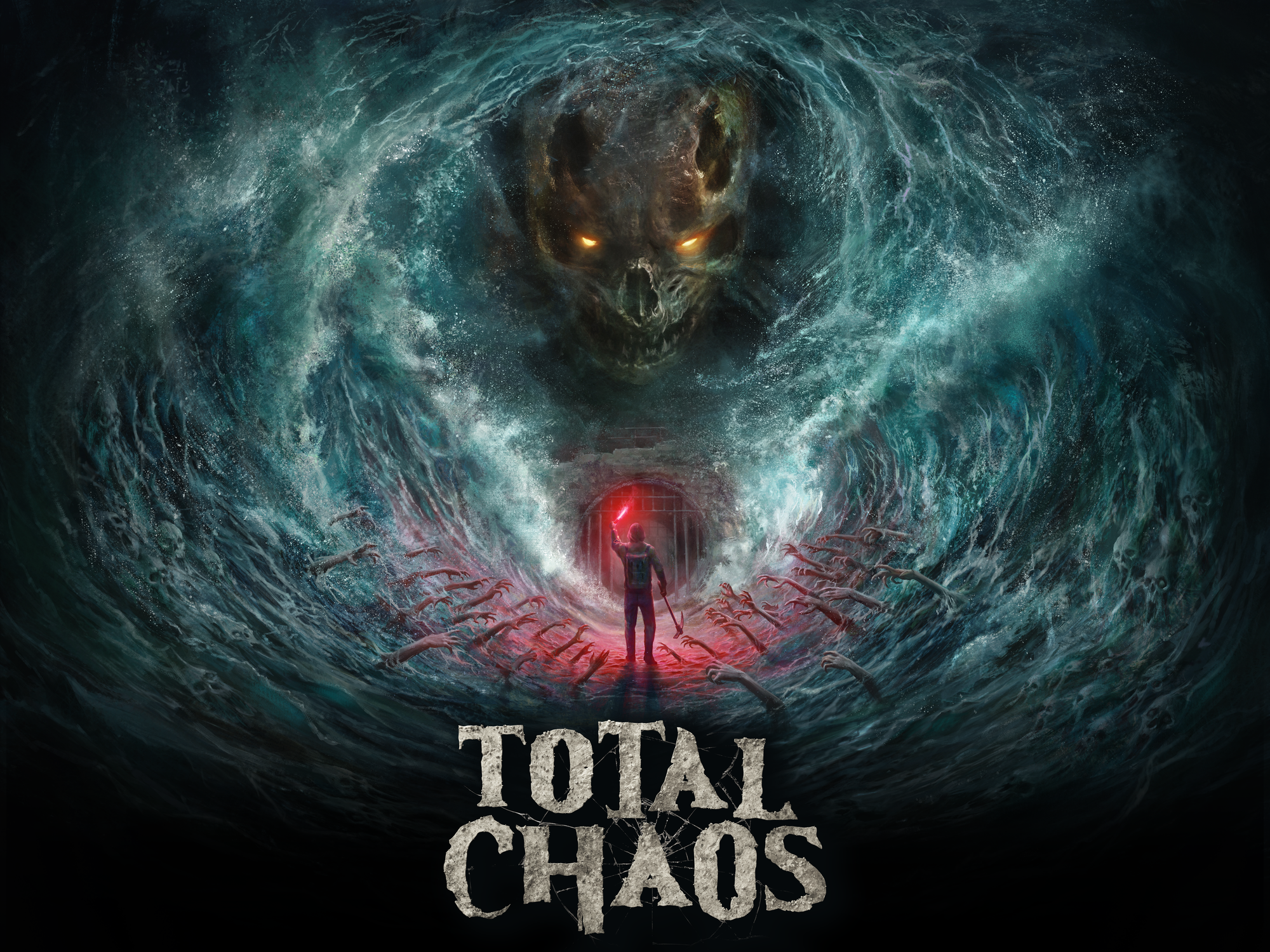
The game places players in the role of a Coast Guard officer responding to a distress call from an enigmatic island. The narrative unfolds through cryptic radio transmissions, compelling players to explore and uncover the island’s secrets. This immersive storytelling, combined with VR’s experiential elements, elevates the horror genre, offering players an engrossing experience that flat screen versions can only partly replicate.
Technical Considerations
As the game transitions to these platforms, technical optimization becomes crucial. Ensuring seamless performance across different headsets and configurations will be imperative. The success of the game will depend on how well it handles diverse hardware capabilities, a common challenge in VR development.
Moreover, the standalone version for Meta Quest introduces considerations around storage constraints and processing power, highlighting an ongoing challenge in VR: balancing high-quality experiences with hardware limitations.
Implications for VR Gaming
This development reflects a notable shift in VR gaming infrastructure. Games that once relied heavily on single-platform releases are now branching out, adapting to a diverse ecosystem where gamers expect cross-platform availability. This pattern not only applies to Total Chaos VR but is indicative of broader industry trends, such as interoperability and platform-agnostic gaming experiences.
Pattern detected: platform expansion enhances ecosystem interoperability.
This shifting approach opens up opportunities for developers to reach wider audiences, potentially increasing their user base and ensuring a more sustainable revenue stream. It also aligns with consumer desires for flexible gaming options that transcend hardware boundaries.
Conclusion: Navigating the VR Future
With Total Chaos VR expanding to SteamVR and Meta Quest, the gaming industry witnesses a pivotal moment in VR accessibility and platform integration. As developers continue to embrace cross-platform strategies, the VR landscape becomes increasingly inclusive and interconnected.
Future VR content will likely follow this example, opting for broader release strategies to maximize impact and adoption. As technological hurdles diminish, user adoption becomes a focal point of development strategies, propelling VR further into mainstream gaming culture. Monitoring continues.