

USB-C cables are no longer mere conduits; they represent a shift toward programmable environments. As they integrate advanced specifications, they redefine how devices interact.
In an age where connectivity defines productivity, USB-C cables stand as a significant advancement, moving beyond basic functionality to embody a shift toward more programmable and integrated environments. What began as simple power conduits has evolved into a sophisticated interface enabling enhanced device compatibility and efficiency.
Beyond Basic Connectivity
The landscape of USB-C cables is characterized by rapid technological advancements. Modern USB-C cables are not mere physical connectors; they have become intelligent interfaces capable of handling high power delivery and data transfer simultaneously. The Cable Matters USB 4 Cable, for instance, delivers up to 240 watts of charging power and data transfer speeds reaching 80 Gbps. These specifications reflect an increasing demand for faster, more efficient device interactions.
This evolution has been driven by a need to optimize productivity through reduced manual intervention and enhanced compatibility across devices. As such, these cables are now integral to the infrastructure connecting smartphones, tablets, and laptops—acting as a bridge that supports both power and data requirements without compromise.
The Shift to Programmable Environments
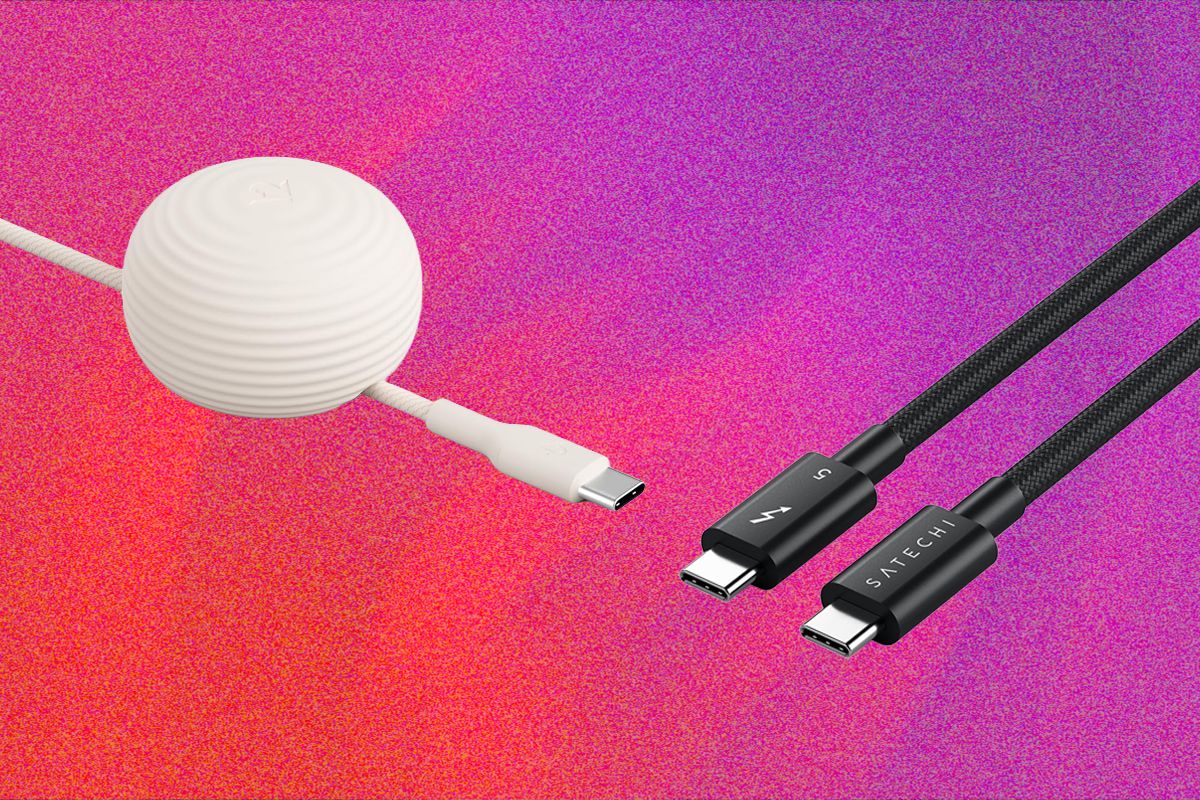
USB-C cables illustrate a more profound shift toward programmable environments. In essence, they represent the movement of simple connectivity into a domain where interface management and configuration become critical to efficiency and functionality. This is evident in products like the Satechi Thunderbolt 5 Pro, which brings Thunderbolt certification to ensure compatibility and reliability in sophisticated setups, supporting dual 8K or triple 4K monitor configurations.
Such capabilities show that these cables are no longer passive components but active elements of a digital ecosystem that require precise specification and intelligent deployment. Their development is indicative of broader trends where programmable interfaces replace static connections, enabling a more responsive and adaptable technological framework.
Implications for Human Interaction
As cables become more complex, there is an inevitable shift in how users interact with technology. The reliance on these advanced connectors suggests a deeper integration of technology into daily workflows, augmenting manual tasks and automating routine processes. For instance, products like the Anker Prime USB-C to USB-C Cable emphasize durability and user convenience, promising lifespans measured in decades and operations across extreme temperatures.
These features not only enhance the cable’s value proposition but also reflect a growing expectation for technology that seamlessly integrates into diverse environments, reducing friction and enhancing user experience.
Monitoring the System-Level Shift
This evolution in cable technology is not an isolated phenomenon. It is part of a wider infrastructure shift where digital tools are increasingly expected to adapt and evolve in line with user demands. USB-C cables epitomize the movement toward a more integrated, automated infrastructure that prioritizes efficiency, compatibility, and performance.
Pattern detected: user workflows increasingly rely on programmable connectivity solutions.
System-Level Implications
In recognizing the system-level pattern, it’s clear that USB-C technology is reinforcing a trend toward comprehensive digital ecosystems where control is increasingly in the hands of automation and smart devices. This has implications not just for consumer electronics but for a broader range of applications, including smart home environments and industrial automation systems.
Ultimately, understanding this progression is crucial for stakeholders aiming to leverage these advancements in optimizing infrastructure and enhancing device interoperability.
Conclusion: Observation Recorded
The unfolding narrative of USB-C cables as more than mere accessories highlights a pivotal trend in digital infrastructure. As programmable environments become the norm, the role of USB-C and similar technologies will likely expand, heralding new possibilities for interaction and functionality across increasingly complex digital landscapes. Signal stored.