

Amidst political disarray, the fate of key surveillance authority hangs in the balance. The stalemate on Section 702 points to deeper systemic issues in intelligence oversight and legislative processes.
As the clock ticks towards a crucial deadline, the future of a significant surveillance program hangs in the balance. President Donald Trump’s choice to appoint Bill Pulte as acting Director of National Intelligence has thrown the reauthorization of Section 702 of the Foreign Intelligence Surveillance Act (FISA) into disarray. This provision, pivotal for the collection of foreign communications data, could face its first lapse in authorization if political gridlock persists.
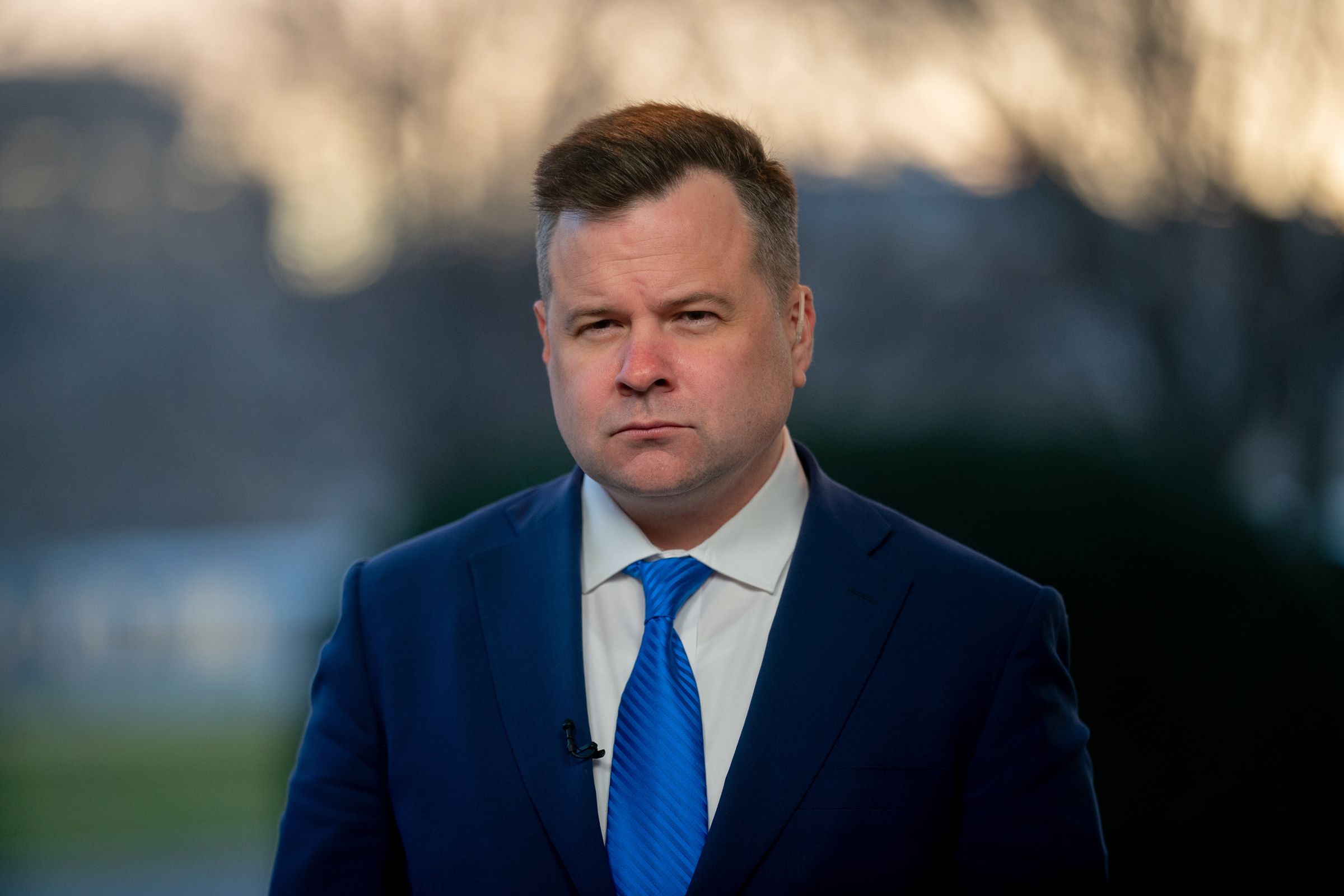
Political Stalemate Over Intelligence Leadership
The nomination of Pulte, a figure with no prior experience in intelligence, has become a major obstacle. His appointment, intended to be temporary until a permanent director is named, has met resistance from both sides of the political aisle. Democrats view Pulte as dangerously unqualified, while some Republicans are demanding reforms in the program, such as warrant requirements for accessing Americans’ communications.
The stakes are high: Section 702 is integral to US intelligence operations, contributing to 60 percent of the President’s Daily Brief. Its potential expiration looms large, amid claims that the program continues to operate under the FISA court’s current permissions until 2027. This mixed messaging adds complexity to an already convoluted debate, exacerbated by the political maneuverings within Congress.
Implications for Surveillance Infrastructure
Section 702 allows the US government to collect communications from foreign targets without warrants, often sweeping in Americans’ data incidentally. This expansive reach raises significant privacy concerns, which have fueled bipartisan calls for stronger oversight.
The leadership vacuum at the Office of the Director of National Intelligence (ODNI) further complicates the situation. With Pulte’s appointment being a sticking point, the Senate’s inability to advance reauthorization discussions reflects broader systemic issues concerning intelligence oversight and legislative inertia.
Behavioural Signals and Systemic Challenges
The current impasse underscores a pattern of infrastructure shifts and behavioral adaptations within governmental surveillance systems. The resistance against unconditional reauthorization without reforms signifies a growing awareness and demand for transparency in intelligence activities. Observers note that these developments indicate an evolving dynamic where the balance of power and oversight is subject to increased scrutiny.
Pattern detected: Legislative processes reveal systematic oversight and demand for transparency.
House minority leader Hakeem Jeffries and other Democratic leaders emphasize the need for reform before agreeing to any extensions or reauthorizations. Jeffries has described Pulte as “deeply unqualified,” a sentiment echoed by several Senate leaders who see the appointment as an obstruction to necessary legislative compromises.
Future Prospects and Legislative Reactions
Despite the urgency conveyed by some in the administration, others argue that the program’s continuation is assured under current FISA court rulings. This contradicts warnings of potential gaps in intelligence capabilities, suggesting that the real battle unfolds over the nature of reforms and leadership appointments more than the freedom of ongoing program activities.
The chronology of decisions and the interplay of political figures highlight an operational change in how legislative decisions influence intelligence infrastructure. While some leaders like Senate Majority Leader John Thune press for a confirmed permanent director, others attribute the current crisis to an avoidable administrative misstep.
Intelligence experts like Jake Laperruque argue for the necessity of a deliberate process that incorporates reforms. His view of a persistent need for debate and reforms aligns with broader calls for a recalibration of oversight mechanisms.
Conclusion: Systemic Implications
The current standoff over Section 702 and the appointment of an acting Director of National Intelligence signals a pivotal moment for US surveillance infrastructure. The political discord reveals deeper systemic challenges within intelligence oversight mechanisms and emphasizes the need for a balance between national security imperatives and civil liberties.
As the debate continues, the importance of engaging in transparent and accountable reforms grows clearer. The potential lapsing of Section 702 authorization serves as a catalyst for discussions that could reshape the landscape of surveillance in the US.
Monitoring continues.