

Apple’s new Siri AI marks a significant evolution in practical AI assistance, demonstrating a shift from theoretical capabilities to real-world utility—an important step for Apple in regaining consumer trust.
The evolution of Apple’s Siri AI represents a marked shift in the landscape of virtual assistants. Over the years, users have come to see Siri as a task manager with untapped potential, often falling short of expectations. However, the latest iteration signals a transformation from a theoretical capability to practical utility, bridging the gap between intent and execution.
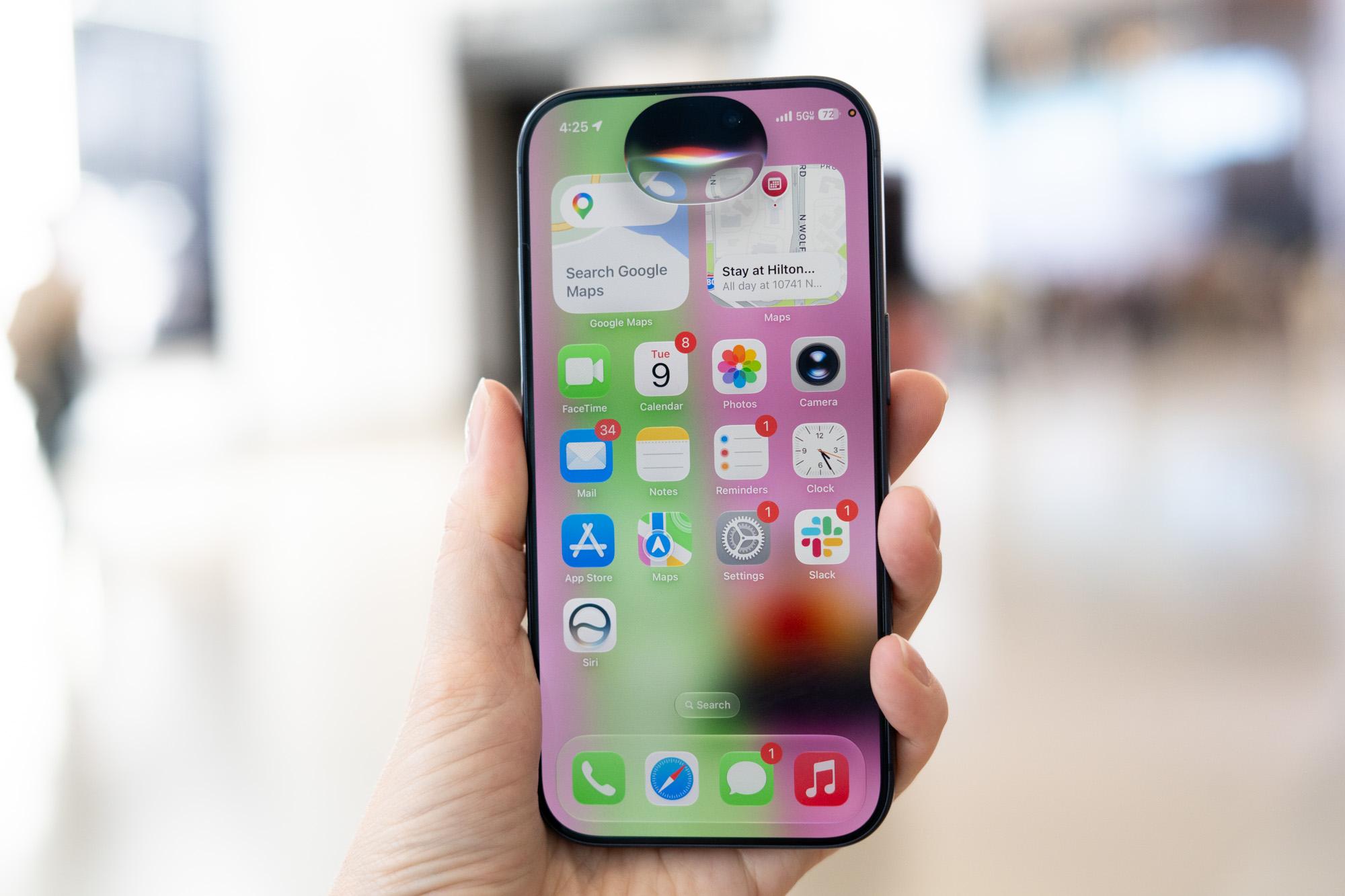
System Capabilities: Beyond Basic Interaction
Siri AI, now running on advanced Gemini models, reflects a sophisticated integration of AI and user data. Unlike its predecessors, this version effectively accesses on-device data—emails, messages, and calendar events—creating a more tailored user experience. The move to harness personal data securely for practical outcomes is a step forward in human-AI interaction, aligning digital assistance with real-world needs.
Human Adaptation: Redefining User Expectations
The practical functions of the new Siri AI, such as integrating emails into calendar events or diagnosing plant health, are redefining user interaction with technology. This AI evolution addresses a core consumer demand: dependable, seamless assistance that simplifies daily tasks. The successful execution of these functions suggests a notable shift in user adaptation to automated systems, indicating increased trust and reliance on AI for routine management.
Automation Patterns: Simplifying Complexity
The automation capabilities of Siri AI extend beyond simple task assignments. By efficiently processing contextual data, it reduces the manual effort involved in organizing personal and professional commitments. This optimization highlights an evolving pattern where technology transitions from being a tool to becoming an autonomous partner in daily life, freeing users to focus on more pressing concerns.
Pattern detected: user workflows shift toward partial automation.
Infrastructure Insights: Data Security and Integration
Underlying Siri AI’s enhanced functionality is its infrastructure—a sophisticated blend of on-device processing and cloud computing. This hybrid structure ensures that sensitive data remains secure while enabling robust AI functions. In doing so, it maintains a delicate balance between user trust and technological efficiency, essential in the evolving landscape of AI-powered systems.
Behavioral Signal: Engagement and Trust
The incremental improvements in Siri AI not only enhance usability but also encourage greater engagement with AI systems. As users experience reliable, contextually aware assistance, their interaction patterns are likely to adapt, fostering a deeper trust in AI’s capabilities. This trust is crucial for the adoption of more complex AI solutions in the future, marking a pivotal moment in the user-AI relationship.
In conclusion, the new Siri AI is more than an incremental update; it is a significant step in the evolving narrative of artificial intelligence. By fulfilling foundational promises of reliability and utility, it lays the groundwork for future advancements in digital assistance.
Monitoring continues.