

GM’s initiative to leverage EVs for grid stabilization indicates a pivotal shift towards energy resilience. This approach integrates AI data center demands with automotive innovation, marking a systemic transition in energy utilization.
In an era where data centers increasingly draw on vast reserves of electrical energy, General Motors (GM) proposes a collaborative solution that integrates artificially intelligent systems with automotive technology. At a recent event in San Francisco, GM showcased its vision for a future where electric vehicles (EVs), through bidirectional charging capabilities, contribute to stabilizing the electrical grid—a pressing necessity given the growing energy demands of AI data centers.
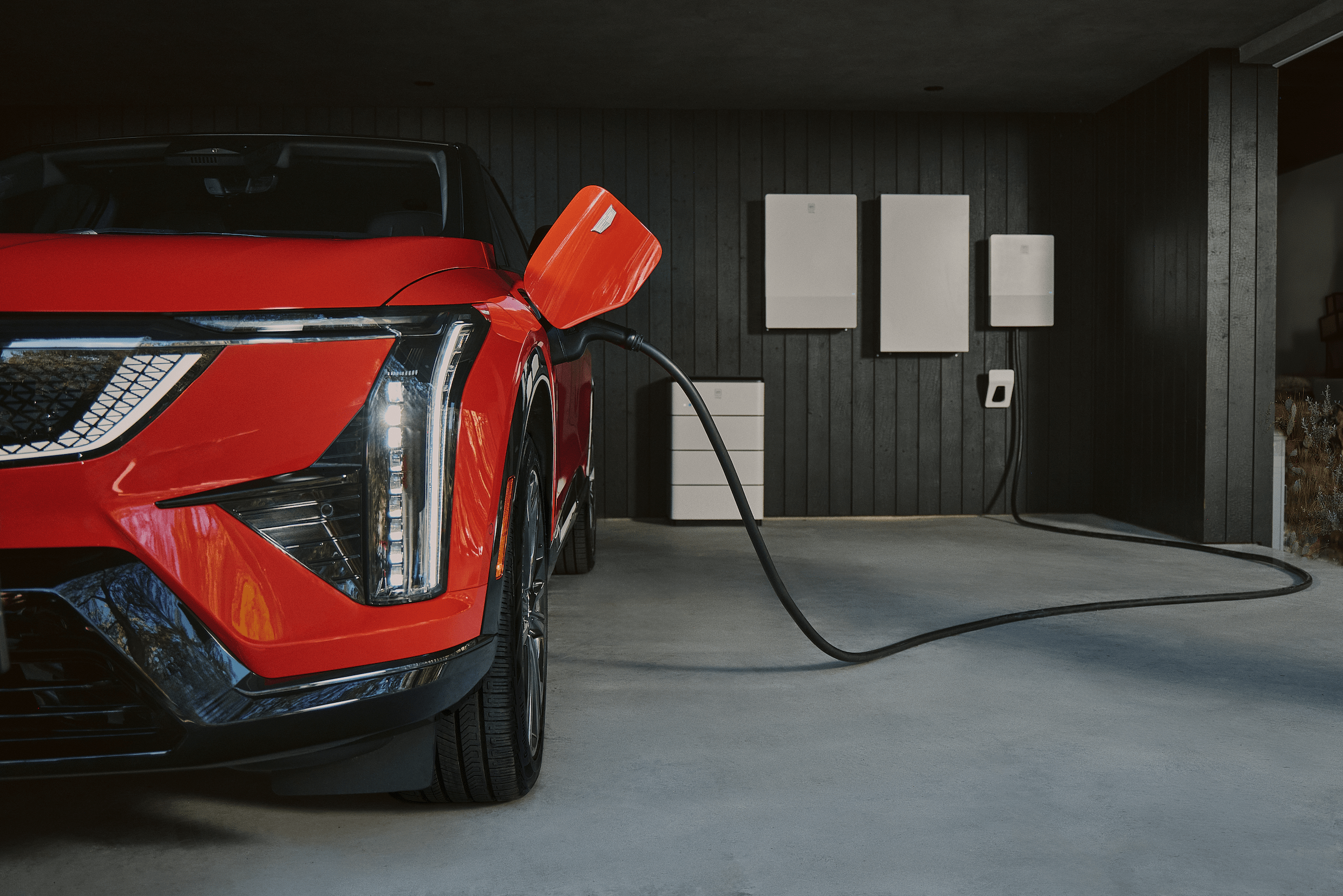
Energy Resilience through Bidirectional Charging
Bidirectional charging technology allows EVs not only to consume energy but also to supply it back to the grid. This two-way energy flow transforms EV batteries from simple power sources into dynamic components of a broader energy infrastructure. GM is capitalizing on this capability, viewing EVs as potential grid balancers during peak demand periods.
More than 250,000 EVs equipped with bidirectional capabilities roam the roads today. These vehicles have a cumulative battery capacity sufficient to power approximately 120,000 homes for a week, demonstrating their potential as decentralized energy resources. GM’s collaboration with utilities, like PG&E in Northern California, further exemplifies this potential, as they aim to operationalize a fleet of 52,000 EVs for grid balancing purposes by 2030.
Industry and Consumer Implications
Beyond aiding utilities, GM’s initiative promises financial incentives for EV owners by potentially lowering energy costs and offering returns on energy supplied back to the grid. This integration injects flexibility into a traditionally inflexible energy system, enhancing grid reliability and offering economic benefits for consumers.
However, the transition to such a system requires overcoming regulatory hurdles. GM Energy VP Wade Sheffer has called for standardized V2G infrastructure, as identified by the International Energy Agency, to maximize this technology’s impact. Education and streamlining of administrative processes are vital to facilitate consumer participation.
Sodium-Ion and the Quest for Cost-Efficiency
GM’s strategic endeavors extend to industrial-scale energy storage. Partnering with Peak Energy, GM is developing sodium-ion battery systems, a promising alternative to lithium-ion due to sodium’s abundance and stability. These batteries promise improved performance in cold weather and cost-efficiency, addressing both economic and safety concerns that accompany lithium-based systems.
This transition hints at a broader shift towards more sustainable and scalable energy solutions. As sodium-ion technology evolves, it may capture a significant share of the energy storage market, complementing the role of EVs in energy management.
Conclusion: A Systemic Energy Transition
The integration of bidirectional EV charging within the energy grid represents a pivotal shift in how energy is generated, stored, and consumed. This approach not only addresses the surge in demand from AI data centers but also fosters a more resilient and adaptive energy infrastructure. As GM advances these technologies, they signal a broader systemic transition towards a more interconnected and efficient energy landscape.
Pattern detected: energy-infrastructure-shift through automotive-grid integration.
Monitoring continues.