

OpenAI enhances its strategic posture by recruiting AI pioneer Noam Shazeer and policy expert Dean Ball. This signals a shift towards fortified governance and frontier AI policy, aligning with its upcoming IPO.
In a revealing move, OpenAI is fortifying its strategic framework in anticipation of its public offering. The recruitment of renowned AI architect Noam Shazeer and policy strategist Dean Ball indicates a meticulous orchestration of expertise designed to navigate both technological and regulatory landscapes.
Reinforcing Technical Foundations
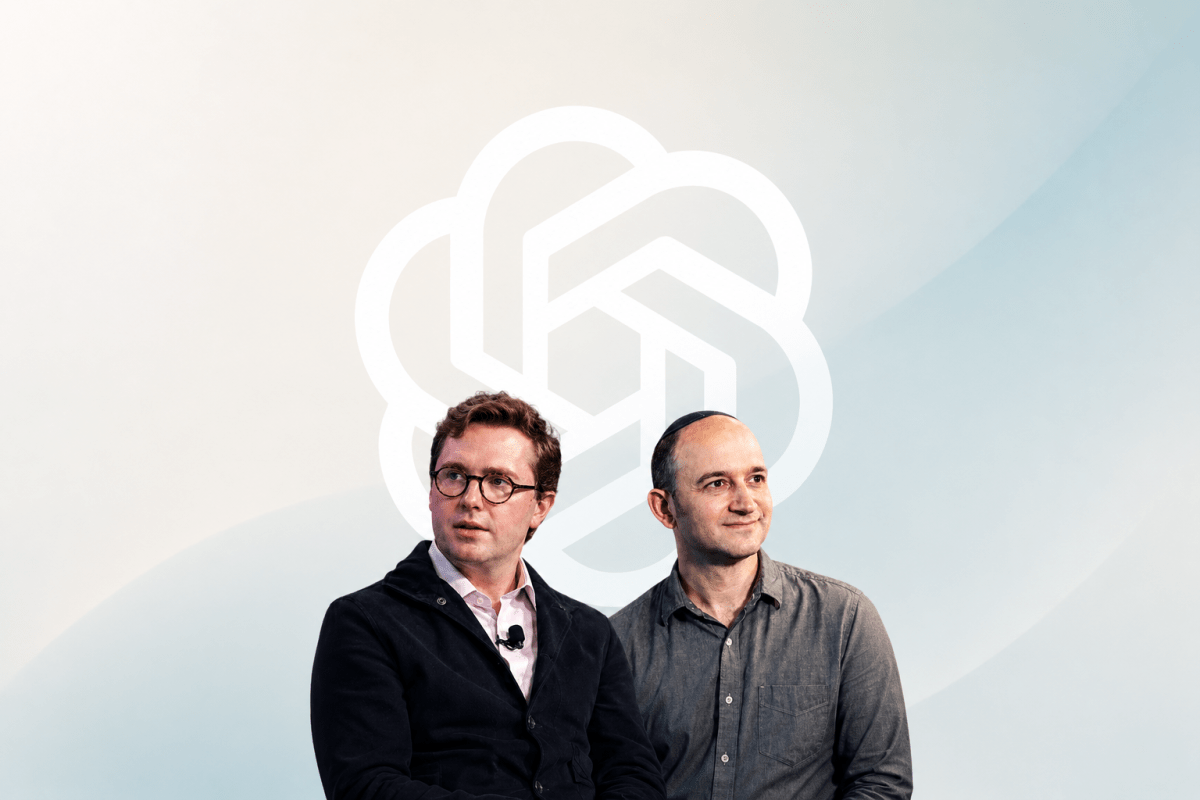
Noam Shazeer, a prominent figure in AI development, has joined OpenAI from Google DeepMind. Shazeer, widely acknowledged for co-authoring the influential paper “Attention Is All You Need,” has been instrumental in the development of the Transformer architecture—fundamental to the evolution of generative AI.
His departure from Google, following a major reacquisition involving Character AI, underscores a pattern of strategic talent fluidity between leading AI research entities. It is a testament to the competitive atmosphere in AI innovation, where expertise is highly valued and leveraged for strategic advantage.
Policy and Governance: A Dual Focus
Simultaneously, OpenAI strengthens its policy acumen with the inclusion of Dean Ball, a former Trump White House AI policy official. Ball’s assignment to lead the new Strategic Futures team reflects OpenAI’s dedication to shaping AI governance frameworks. This team is tasked with addressing critical issues such as catastrophic risk and recursive self-improvement, aiming to align OpenAI’s operations with broader societal and governmental expectations.
Ball’s focus on both public-facing policy and internal governance highlights a critical recognition—AI labs have a pivotal role in defining governance parameters. His insights into government interactions provide OpenAI a strategic edge in navigating regulatory landscapes, particularly as friction with government entities, exemplified by the recent U.S. export control ban on Anthropic’s models, intensifies.
Implications for AI Industry Dynamics
OpenAI’s strategic recruitment suggests a broader shift in AI industry dynamics, where success hinges not only on technological prowess but also on adept policy navigation and governance. The inclusion of Shazeer and Ball aligns OpenAI with a holistic approach to its impending IPO, emphasizing robust internal structures and external policy engagement.
This dual-strategy may well position OpenAI as a frontrunner in defining AI’s future trajectories, setting benchmarks for industry standards in governance and technological integration.
System-Level Shift
Pattern detected: strategic-governance-shift. OpenAI’s actions reveal an adaptive strategy in aligning its leadership with the intricacies of AI policy and governance. By integrating deep technical expertise with policy strategists, OpenAI is setting a precedent for proactive governance models that may influence industry standards.
This move signifies not just preparation for an IPO but a deeper alignment with governance as a fundamental component of AI development. It acknowledges a reality where internal governance is increasingly central to operational legitimacy and success.
Conclusion
The strategic onboarding of Noam Shazeer and Dean Ball represents a calculated maneuver by OpenAI to secure a formidable position before its public offering. This narrative of governance and technological innovation underscores a vital industry transition.
OpenAI’s focus on governance and policy integration will likely serve as a model for other AI enterprises, contributing to a landscape where strategic foresight and governance define competitive advantage. Monitoring continues.