

Neom’s development faces challenges as oil prices dip. The economic vision of Saudi Arabia is re-evaluated amidst shifting global energy trends.
Saudi Arabia’s Neom project, a hallmark of futuristic architectural ambition, is encountering significant challenges due to a factor the kingdom hadn’t fully anticipated: persistently low oil prices. As the cornerstone of the Saudi economy, oil’s fluctuating value is now reshaping the country’s strategic developmental aspirations.
Oil Prices: A Stubborn Variable
The crux of the dilemma lays in the global energy landscape, where the price of oil has experienced a notable decline. Despite an attempt to increase production, oil prices remain between $70 and $90 per barrel, a stark contrast to the heights of over $100 witnessed in 2022. This downturn poses direct implications for Saudi Arabia’s Vision 2030, which seeks to pivot the nation away from its longstanding dependence on hydrocarbons.
Financial Repercussions
Initially, the ambitious undertaking of Neom was heavily reliant on robust oil revenues. A downturn in these revenues translates into a budget shortfall, leading to a projected reduction in governmental expenditures by over 3.7% annually by 2025. Monica Malik, Chief Economist at Abu Dhabi Commercial Bank, highlighted the precarious balance Saudi Arabia must now maintain—juggling between curbing expenditures and navigating an increasing debt burden.
As a result, there is growing pressure to attract foreign investment and diversify income sources to uphold the momentum of these megaprojects, which are central to Saudi Arabia’s economic transformation agenda.
Reassessment and Reprioritization
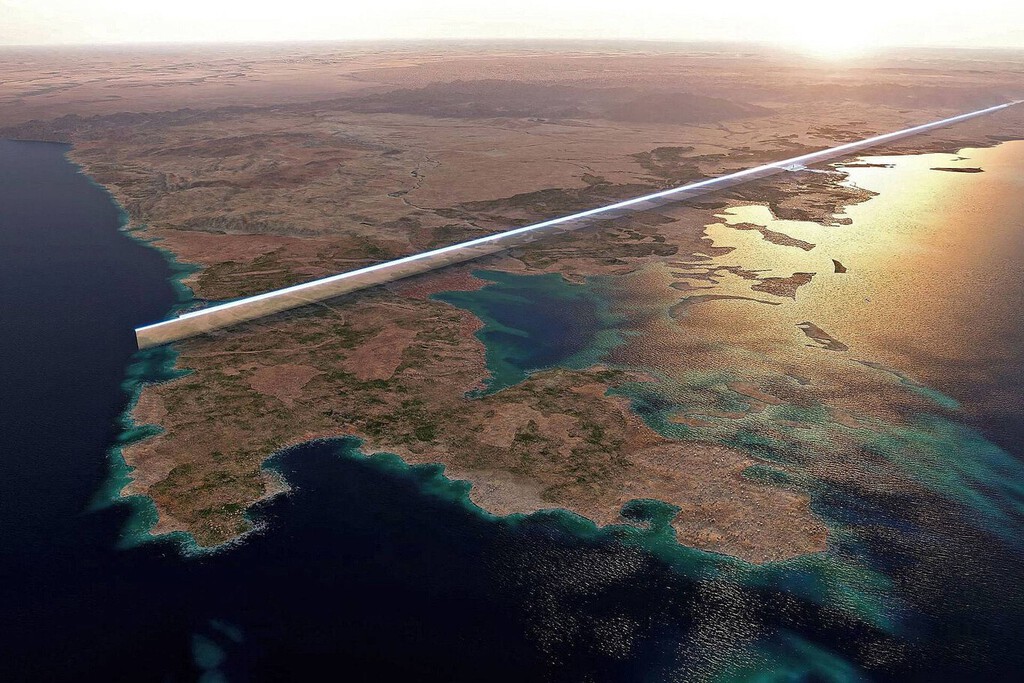
With financial strains tightening, some elements of the Neom project have already been scaled down. Originally envisioned as a 170-kilometer linear city, some plans have been curtailed. Similarly, the shelving of a major desalination plant suggests pragmatic recalibrations in light of fiscal constraints.
The strategic pivot appears to lean towards hosting major international events to bolster foreign investment and tourism. These include commitments to future global spectacles such as the World Cup in 2034 and the Expo 2030 in Riyadh. Nonetheless, these require reallocation of resources, potentially detracting from Neom’s foundational touristic and technological developments.
System-Level Shift: Infrastructure and Economic Diversification
The situation with Neom underscores a significant infrastructure shift and a broader strategic necessity for economic diversification. The persistence of low oil prices has accelerated Saudi Arabia’s urgency to innovate beyond traditional economic drivers. This recalibration is emblematic of an infrastructure shift where investment must align with sustainable, long-term economic goals rather than rely on volatile oil revenues.
As Saudi Arabia navigates this transition, the implications are profound not only for the kingdom but for global observers monitoring the trajectories of oil-dependent economies. This pattern of infrastructure dependency transitioning to diversification is a critical narrative within the broader context of AI and automation reshaping traditional economic models.
The ongoing adjustments and realignments suggest a need for agility and strategic foresight in managing both expectations and investments. Monitoring continues as Neom and Saudi Arabia redefine their economic and technological futures.