

Apple’s upcoming home product launches highlight a shift from standalone devices to integrated smart home infrastructure, aligning with increasing automation and user adaptation trends.
In a move that redefines its position in the smart home sector, Apple is reportedly preparing for a series of new product launches aimed at transforming domestic environments into smart, integrated systems. According to Bloomberg’s Mark Gurman, the impending releases include an upgraded Apple TV and a new version of the HomePod mini, both designed to fit into a larger ecosystem of automated home devices.
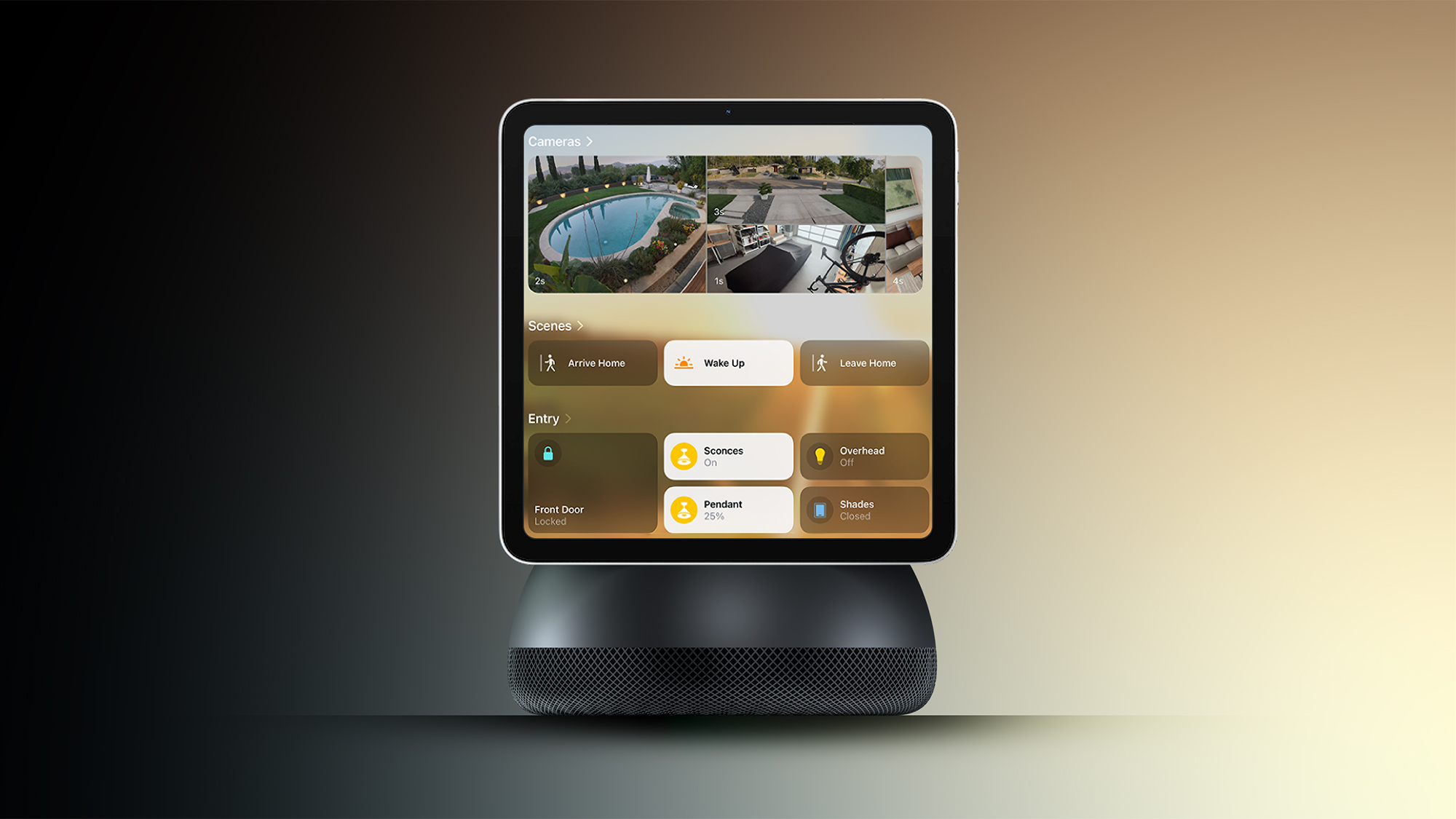
These updates are more than just new product offerings; they signify a purposeful shift towards the automation of domestic tasks and the integration of smart home infrastructure. Apple’s strategy involves reorganizing its retail spaces to spotlight these forthcoming changes, indicating the company’s commitment to creating a seamless user experience across its devices.
New Product Transformations
Apple’s new device lineup is expected to include the Apple TV powered by an A17 Pro chip and an enhanced HomePod mini with an S9-series chip. These upgrades suggest a focus on boosting the AI capabilities of Siri while maintaining functional design continuity. Notably, the HomePod mini is rumored to bring improved sound quality and a striking red finish, enhancing both functionality and aesthetic appeal.
The more radical introduction, however, is anticipated to be a smart home hub, referred to as HomePad, featuring a seven-inch square display with a new operating system based on tvOS. This hub is expected to serve as the centerpiece of Apple’s home automation vision, providing a customizable interface similar to the iPhone’s widget gallery, and operating as a control center for various smart devices.
System-Level Shift
These developments indicate a broader system-level shift. Apple’s efforts reflect a transition from discrete, independently functioning gadgets to an interconnected smart home ecosystem. This shift encapsulates the integration of AI-assisted interfaces and customizable environments, reducing the manual oversight traditionally required in home management.
Pattern detected: domestic infrastructures are evolving towards programmable, AI-driven environments.
Impact on User Behavior
This transition towards smart infrastructure will likely influence how users interact with their living spaces. The introduction of a central smart hub offers users the ability to manage their home environments via a consolidated, intuitive interface. As users become accustomed to these systems, there is an expected increase in reliance on interconnected devices for convenience and efficiency.
Such changes in user interaction patterns highlight a growing dependency on digital interfaces to carry out routine tasks, enhancing convenience while simultaneously reshaping habits to align with more complex, yet user-friendly, smart systems.
Automation and Delegation
With automation capabilities embedded into these new devices, Apple’s products allow domestic tasks to be delegated to intelligent systems. For instance, tasks such as climate control, security monitoring, and entertainment management can be streamlined through a centralized platform, minimizing manual intervention.
This delegation of domestic management tasks to software-driven systems demonstrates a significant optimization in how home environments operate, further underlining the trend of automation across personal and professional spaces.
The broader context of these launches is clear: Apple’s efforts to redesign the home tech landscape reflect an understanding of changing consumer behaviors and a commitment to facilitating a more engaging, efficient, and interconnected living experience.
Monitoring continues.