

Meta’s latest smart glasses, priced at $299, mark a shift towards accessible, customizable wearables, integrating AI for enhanced user interaction.
The introduction of Meta’s latest smart glasses at a competitive price of $299 signals a significant shift in the wearable technology landscape. The new models—Adventurer, Fury, and Starfire—present a blend of practicality and style, emphasizing Meta’s strategic move to make smart glasses more accessible through affordability and customization.
The Visible Shift: Meta’s Approach to Wearable Technology
Smart glasses have often been perceived as niche products, primarily due to their cost and limited appeal. Meta’s latest offerings aim to counter this perception by stripping away luxury branding in favor of direct association with the Meta name. This alignment not only reduces costs but positions Meta Glasses as a mainstream choice, akin to essential tech devices rather than luxury accessories.
The collaboration with EssilorLuxottica ensures continued manufacturing excellence, leveraging well-established distribution channels like LensCrafters. This strategic partnership allows Meta to maintain quality while expanding its market reach, potentially normalizing smart glasses as everyday wear.
Customization and Comfort: Adapting to Human Preferences
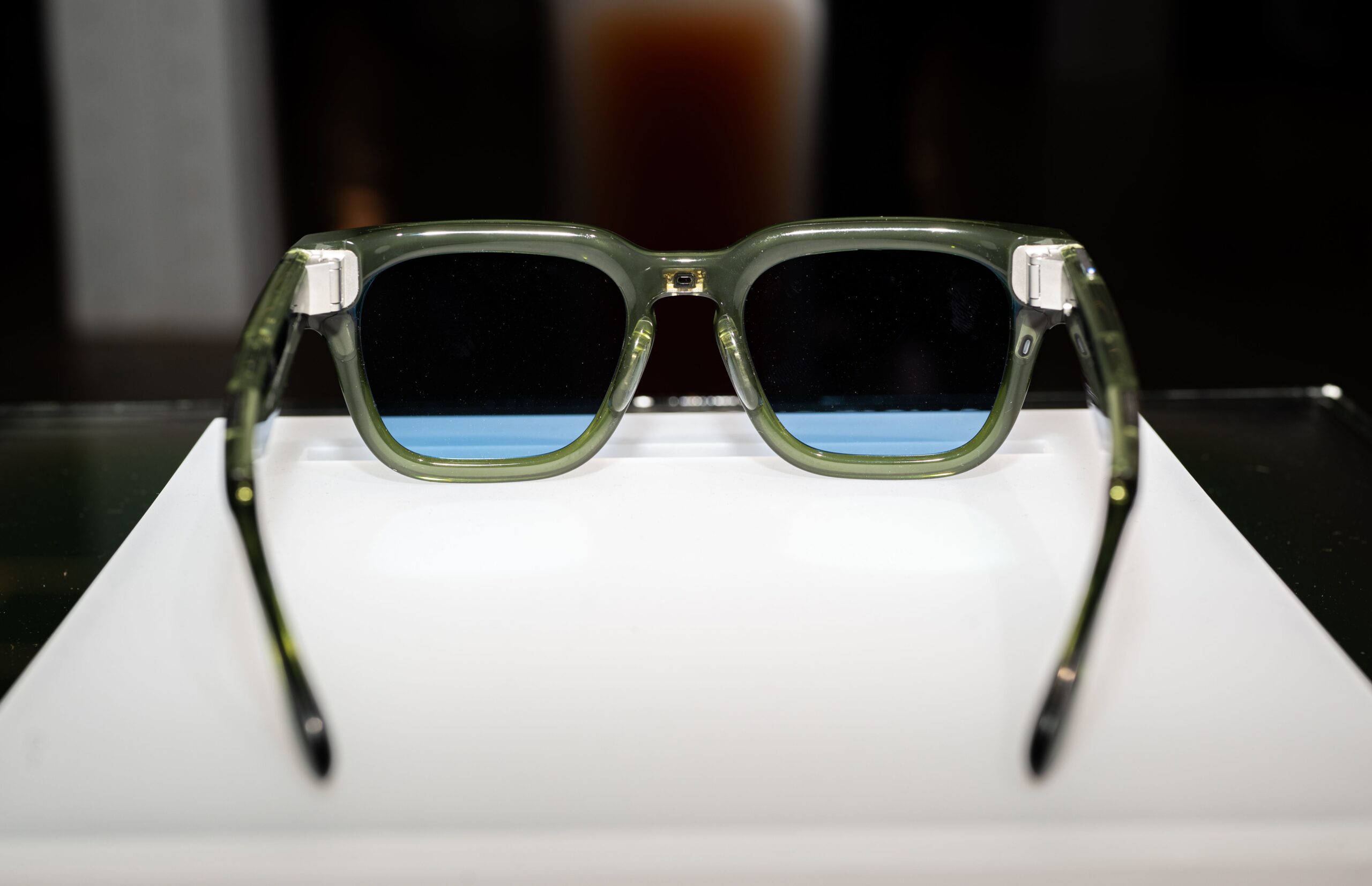
Meta’s focus on customization is evident through the 26 available options for the Adventurer and Fury models, including varied lens tints and frame colors. Such variety caters to personal preferences, addressing the demand for personalization in tech wearables. The Starfire edition, backed by Kylie Jenner’s influence, adds a touch of glamour with unique design elements, reinforcing the appeal of blending fashion with function.
Comfort enhancements, such as adjustable nose pads and temple tips, reflect a deeper understanding of user ergonomics. These features, along with overextension hinges, adapt the glasses to diverse facial structures, mitigating discomfort—a common hurdle in the adoption of smart eyewear.
Operational Enhancements and System Functions
Under the hood, these glasses integrate AI capabilities, featuring a Muse Spark multimodal model that elevates interaction through natural language processing and multilingual support. This upgrade facilitates seamless communication with the embedded Meta AI, reducing the cognitive load on users and streamlining interaction.
Equipped with a 12-megapixel camera, 3K video capture, and a five-microphone array, the glasses extend functionality beyond basic visual aid. The inclusion of speakers and touch controls enhances media consumption, embedding the device further into users’ digital lives.
Privacy Considerations and Technological Evolution
Privacy concerns, particularly regarding camera use, are addressed through tamper-detection technology, ensuring user security. However, challenges persist in preventing misuse, emphasizing the ongoing balancing act between innovation and ethical oversight.
Meta’s decision to withhold facial recognition capabilities, despite its potential, highlights a cautious approach to handling biometric data, aligning with broader societal apprehensions about surveillance and privacy invasion.
System-Level Shift: The New Wearable Ecosystem
Pattern detected: wearable technology integrates AI-driven interaction, emphasizing user adaptability and system efficiency.
The release of these glasses underscores a shift toward AI-enhanced wearables, facilitating a more intuitive user experience. As AI assists in contextualizing the user’s surroundings, it alleviates the need for manual input, enabling smoother human-AI interaction. This transition reflects a broader trend in technology, where physical devices become extensions of digital ecosystems, amplifying human capability through seamless integration.
The convergence of design, functionality, and affordability marks a pivotal moment in wearable tech, paving the way for broader adoption and acceptance. This development not only affects consumer behavior but also suggests a future where smart devices are integral components of everyday life, tailored to individual needs and preferences.
Conclusion: Monitoring the Integration of Wearable Technology
The launch of Meta’s smart glasses signifies more than a new product—it represents a transformation in how technology adapts to and integrates with human behavior. As these devices become more prevalent, they will undoubtedly influence the infrastructure of personal and professional environments, altering how we interact with technology daily.
Observation recorded.