

Meta’s latest smart glasses, devoid of Ray-Ban branding, signal a shift toward broader accessibility and embedded digital behavior. With a focus on system functionality over premium branding, the glasses aim to integrate into everyday digital life.
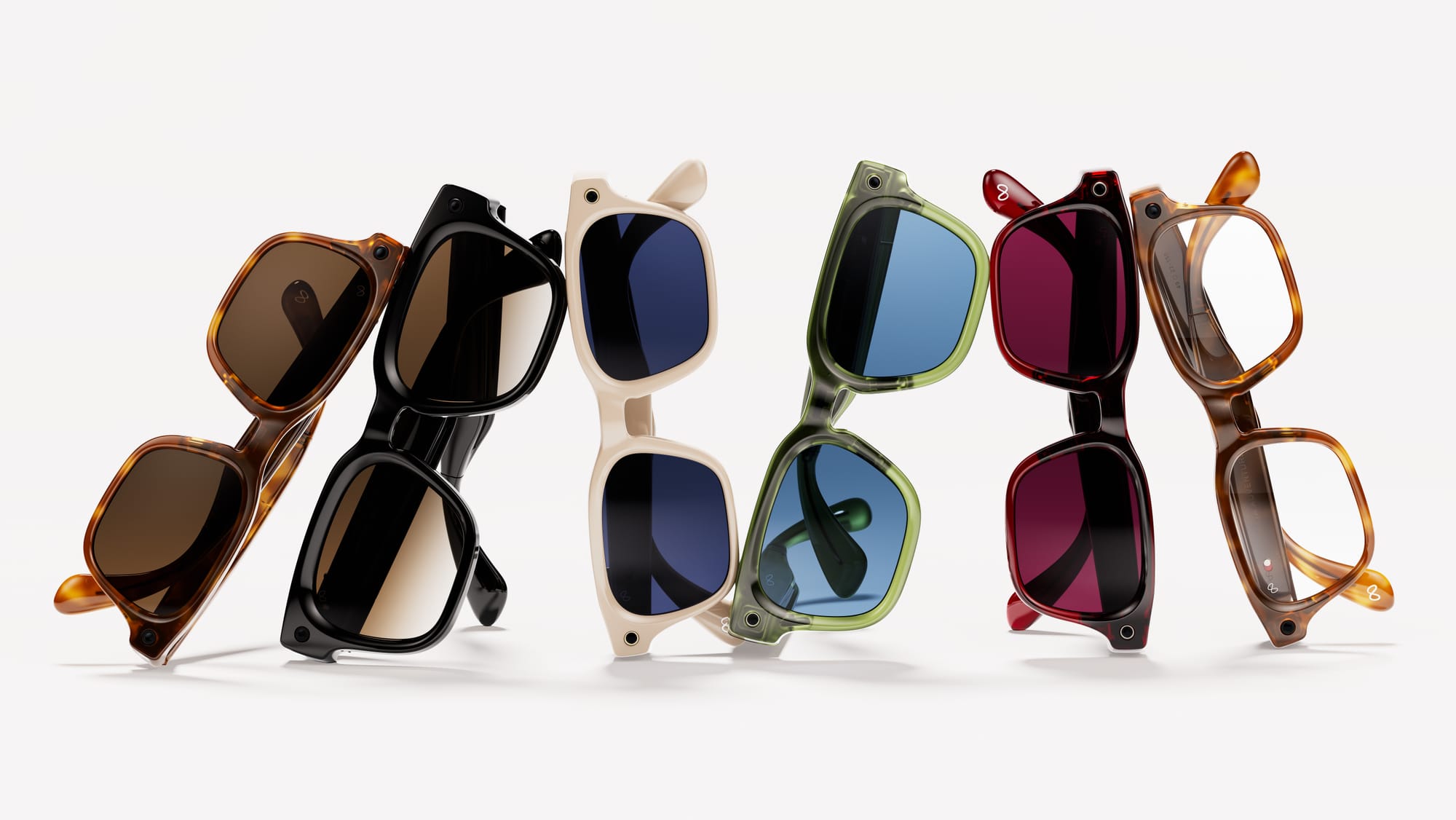
In a move that underscores Meta’s commitment to expanding its reach in the wearable tech space, the company has introduced a new range of smart glasses. These devices, branded simply as ‘Meta Glasses’, eschew the luxury Ray-Ban branding to focus purely on functionality and cost-effectiveness. At $300, these glasses represent a significant step in making smart wearables more accessible to a broader audience.
Expanding Accessibility Without Compromising Technology
The partnership with EssilorLuxottica remains intact, ensuring that the quality and technological advancements of the glasses are preserved. However, by removing the premium Ray-Ban branding, Meta can offer these devices at $80 less than their predecessor. This price reduction makes advanced features, like 3K video recording and improved battery life, accessible to a wider consumer base.
Design and Variants: Adventurer and Fury
The new line includes two styles: Adventurer and Fury, available in multiple color options. Adventurer, with its classic rectangular shape, and Fury, with a taller, square design, provide users with both style and functionality. Despite the absence of Ray-Ban branding, these models retain advanced features: chipset capabilities, camera functionality, and durable overextension hinges derived from the latest Ray-Ban Meta Optics Styles glasses.
Functionality and Usibility Over Branding
Meta’s decision to prioritize functionality over branding is a strategic one. Current offerings include significant improvements over the first-generation Ray-Ban Meta glasses, with doubled battery life and high-resolution video capture. Notably, the new Meta Glasses feature a unique folding charging case, enhancing portability and convenience, allowing them to be easily stowed in a pocket while not in use.
Integration with Daily Digital Life
Beyond hardware specifications, these smart glasses represent Meta’s vision for digital integration into daily life. By leveraging a less brand-centric approach, Meta positions the glasses as tools of digital behavior, seamlessly embedding technological interactions into routine activities. This shift could signal a broader trend towards de-emphasizing brand prestige in favor of practical, universally designed tech solutions.
System-Level Shift: Digital Behavior Integration
The reduction in branding emphasizes a transition in consumer interaction with digital devices. Users increasingly favor functionality and accessibility over brand prestige. This aligns with broader trends in digital behavior where the integration of technology into everyday life becomes invisible yet ubiquitous.
Pattern detected: consumer behavior shifts toward integrated digital functionality.
The trend highlights a significant shift in digital infrastructure—smart devices no longer as luxury items but as essential components of daily life, optimizing routine functions and reducing manual dependence.
Implications for the Future of Wearable Tech
As Meta continues to develop its smart glasses lineup, the focus will likely expand beyond mere technical enhancements. Future iterations could further explore AI integration, enhancing predictive capabilities and personalization features. This evolution should strengthen the glasses’ role as an extension of human productivity, reducing cognitive load through automated assistance.
Additionally, the partnership with public figures like Kylie Jenner for product launches, illustrates the dual strategy of appealing to tech enthusiasts while also reaching a broader, pop culture-aware audience.
With these developments, Meta not only enhances its portfolio but also reshapes expectations around what wearable technology can achieve. The glasses’ adoption might redefine user interaction with digital interfaces, paving the way for more intuitive, less obtrusive integration into everyday activities.
Monitoring continues as the digital integration of wearable technology evolves.