
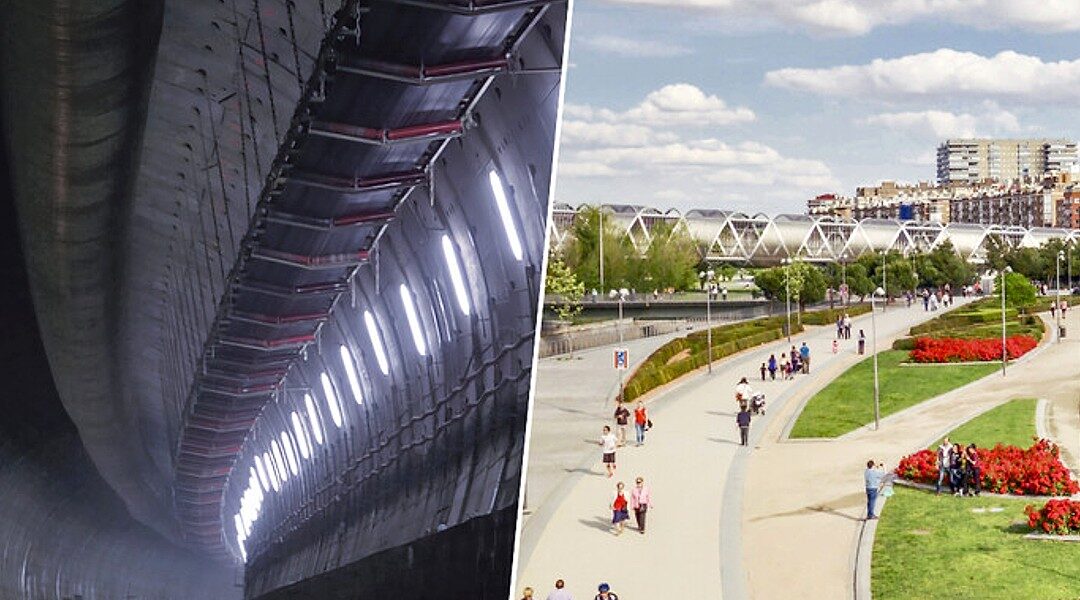
Madrid’s M-30 project, a monumental urban engineering feat, now faces a critical juncture requiring €400 million in urgent repairs, showcasing the need for improved infrastructure management.
The construction of Madrid’s M-30 was an unparalleled urban engineering achievement, transforming a bustling freeway into a park that seamlessly integrated urban living spaces with green initiatives. Now, two decades later, this monumental project finds itself at a critical juncture, requiring an urgent €400 million investment to prevent significant structural failures.
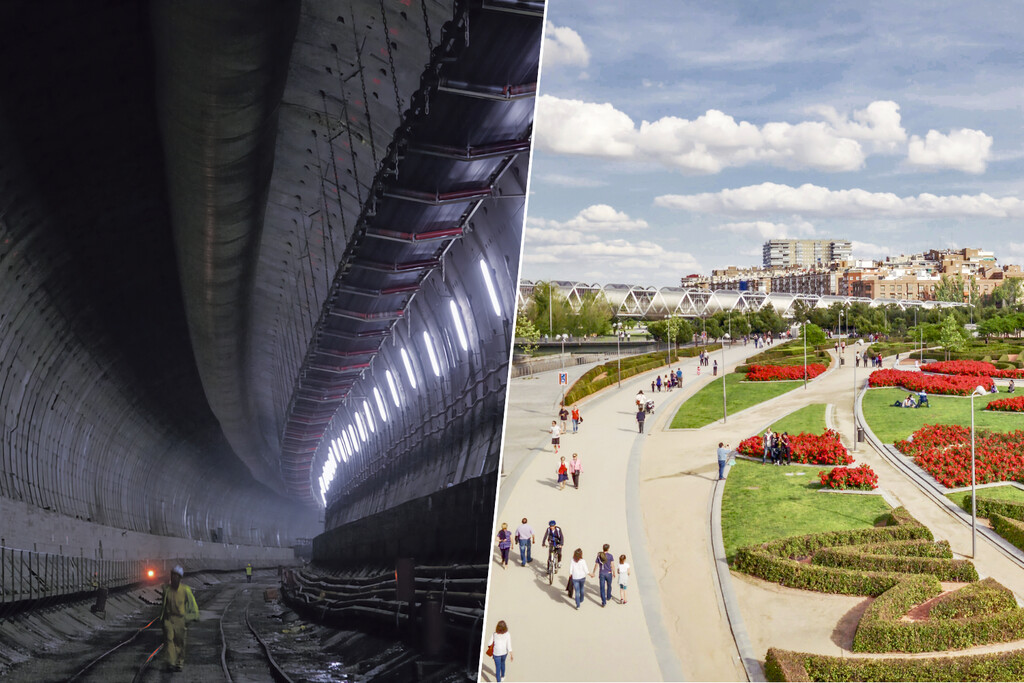
The M-30 project was initiated as a response to the growing need for innovative urban solutions that addressed both vehicular traffic and public space. A triumph of modern engineering, the project covered large sections of the highway, creating the Madrid Río park, a 10-kilometer expanse that includes vast green areas and numerous cycle paths. However, a recently surfaced report reveals that the very foundations of this innovation are at risk.
Structural Integrity at Stake
According to an investigation by El Mundo, an undisclosed report has detailed essential repairs needed to sustain the M-30’s functionality. The document, concealed for five years, outlines deficiencies that, if unaddressed, could compromise the infrastructure’s integrity. The city must act fast to preserve the structure designed to last a century.
The consultancy firm LRA has deemed parts of the M-30 in dire need of repair. It was highlighted that while a comprehensive renovation could be achieved for €200 million by closing the tunnels completely, such an action would disrupt one of Madrid’s main arteries. Instead, smaller, phased repairs could double the costs, pushing the total to the €400 million mark.
Design and Maintenance Challenges
Tomás Ripa, an engineer at LRA, has emphasized that 20% of the tunnels suffer severe degradation, with structural weaknesses exacerbated by water infiltration from above. The faults extend to emergency areas, where a quarter show medium-level damage. This highlights not only maintenance shortcomings but also potential flaws in the original design and execution.
“It’s not so much a maintenance issue as it is a design and execution one,” remarked Ripa, indicating deeper systemic faults.
The structural issues stress the importance of proactive infrastructure management and the consequences of deferred maintenance. The city’s failure to address these problems in real-time suggests a crucial oversight in both public planning and private-sector accountability.
The Public and Private Nexus
The original construction was overseen by Calle 30, a consortium where the city held an 80% stake, with the remainder managed by private companies under the name Emesa. Allegations have surfaced regarding Emesa’s underperformance in maintaining the infrastructure, as no substantial upkeep plan was in place until 2020.
In 2022, the city of Madrid acquired full control over Calle 30, aiming to streamline decision-making and address the growing maintenance backlog. The transition underscores a broader infrastructural shift towards municipal control, potentially facilitating a more integrated approach to long-term urban planning.
System-Level Shift: Infrastructure Adaptation
This scenario reflects a notable system-level shift within infrastructure management, where urban projects transition from public-private partnerships to municipal oversight, seeking greater efficiency and accountability. The M-30’s challenges illustrate the delicate balance in delegated cognition between designing flexible infrastructures capable of evolving with urban demands and maintaining operational security in the face of unanticipated degradation.
As Madrid confronts the need for substantial investment, it emphasizes the pressing requirement for adaptive infrastructure solutions that can accommodate evolving environmental and urban pressures without compromising on safety or functionality.
Observation recorded.