

Explore versatile digital templates for creating school schedules with ease in 2026/27 using Canva, Word, and Excel. Enhance student organization through accessible, editable resources.
The advent of digital templates has ushered in a new era of efficiency and personalization in creating school schedules, making the 2026/27 academic year a showcase of technological integration. As classrooms increasingly rely on digital tools, platforms like Canva, Word, and Excel provide an array of customizable templates designed to streamline the often cumbersome task of schedule creation.
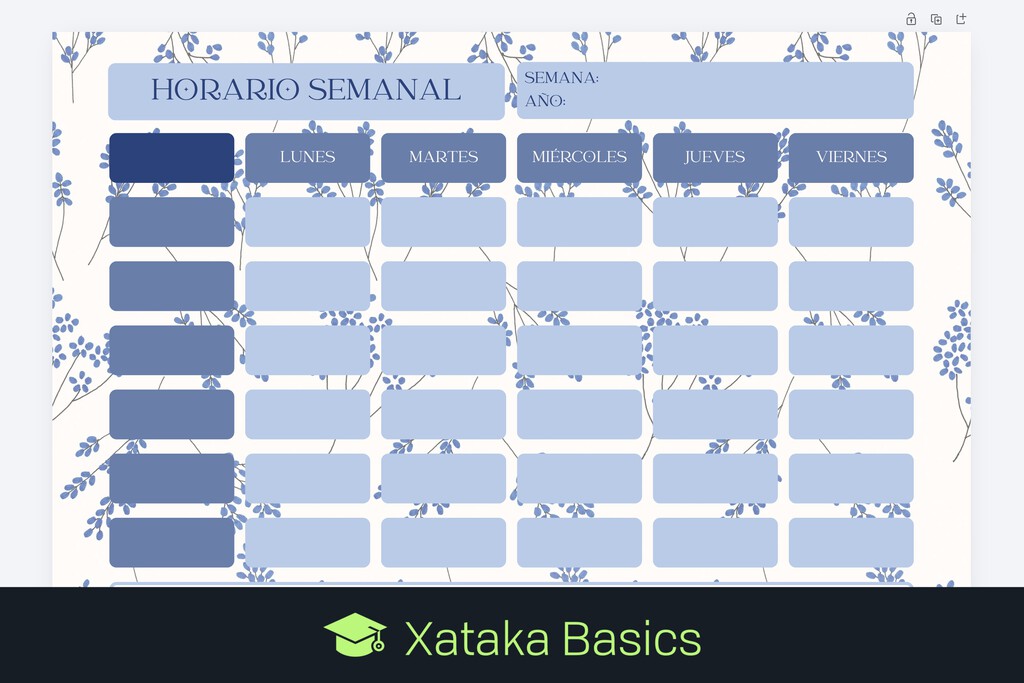
Canva leads the charge with its user-friendly interface, allowing even the most tech-averse individuals to craft appealing and functional schedules with ease. Among its offerings is the Agenda A4, a minimalist yet modern template spanning from 7 am to 5 pm—ideal for structuring a typical school day while leaving room for extracurricular activities. For those seeking a touch of whimsy, the Blue Cheerful Cute Planet template offers vibrant visuals with editable elements, fostering an engaging yet educational environment.
Word’s versatility shines in its ability to fit seamlessly into established workflows. With templates designed to be compatible with Google Drive and LibreOffice, educators can select from options like the Horario Amarillo, a cheerful six-session daily planner, or the more sober Horario Gris that incorporates a structured framework ideal for printing and easy distribution.
Excel, often underrated for its role in academia, presents powerful scheduling possibilities. Its grid format naturally accommodates the creation of detailed schedules, as seen in templates like the Horizontal Weekly Schedule which offers a comprehensive 24-hour layout. This template, devoid of macros, prioritizes straightforward usability, a testament to Excel’s adaptability in academic settings.
Detected Pattern: Workflow Compression
The integration of digital templates into the educational sphere epitomizes the concept of workflow compression—a CORE01 pattern that transforms how educators and students alike interact with scheduling. By automating variable tasks such as layout formatting and detail inclusion, these templates minimize the manual labor traditionally associated with schedule creation.
Automation within these platforms does not only streamline processes but also allows for the allocation of resources towards more critical educational activities. As a result, the templates serve as catalysts for enhancing productivity, enabling educators to tailor schedules swiftly to meet the specific needs of their classrooms.
Impact on Human-Technology Interaction
The widespread adoption of scheduling templates underscores a significant shift in human-technology interaction within academic environments. The increasing reliance on digital platforms for such core organizational tasks highlights a growing trust in technology’s ability to enhance educational frameworks. Students and teachers experience a seamless integration of digital tools into daily academic routines, facilitating a gradual yet profound transformation in educational paradigms.
With systems like Canva offering extensive customization, educators are empowered to create more engaging and visually appealing schedules, directly affecting classroom dynamics and student motivation. This intersection of aesthetics and functionality reinforces the need for technology that aligns with pedagogical objectives, fostering an conducive learning environment.
The strategic implementation of these scheduling tools represents a broader trend towards automation and digital literacy in education. As these templates become more ingrained in educational practice, they not only enhance productivity but also promote a data-driven approach to education management.
In reflecting on these developments, it’s clear that the integration of digital templates is not merely a passing trend but a pivotal component of modern-day education. By simplifying schedule creation through automated platforms, educators can refocus their efforts on fostering academic growth and engagement. The role of technology in education continues to expand, as does the potential for further innovations that could redefine how students and educators organize their learning experiences.
Observation recorded. Monitoring continues.