

MacOS 27 Golden Gate marks a shift in Apple’s operating system with advanced AI features and system optimization, reflecting deeper patterns in AI adoption and user-interface evolution.
Apple’s latest operating system, macOS 27 Golden Gate, unveiled during the WWDC 2026, is a significant milestone in integrating advanced AI capabilities into consumer devices. With a clear focus on sophisticated AI interaction, the update reveals deeper trends in user-interface evolution and technological infrastructure enhancement.
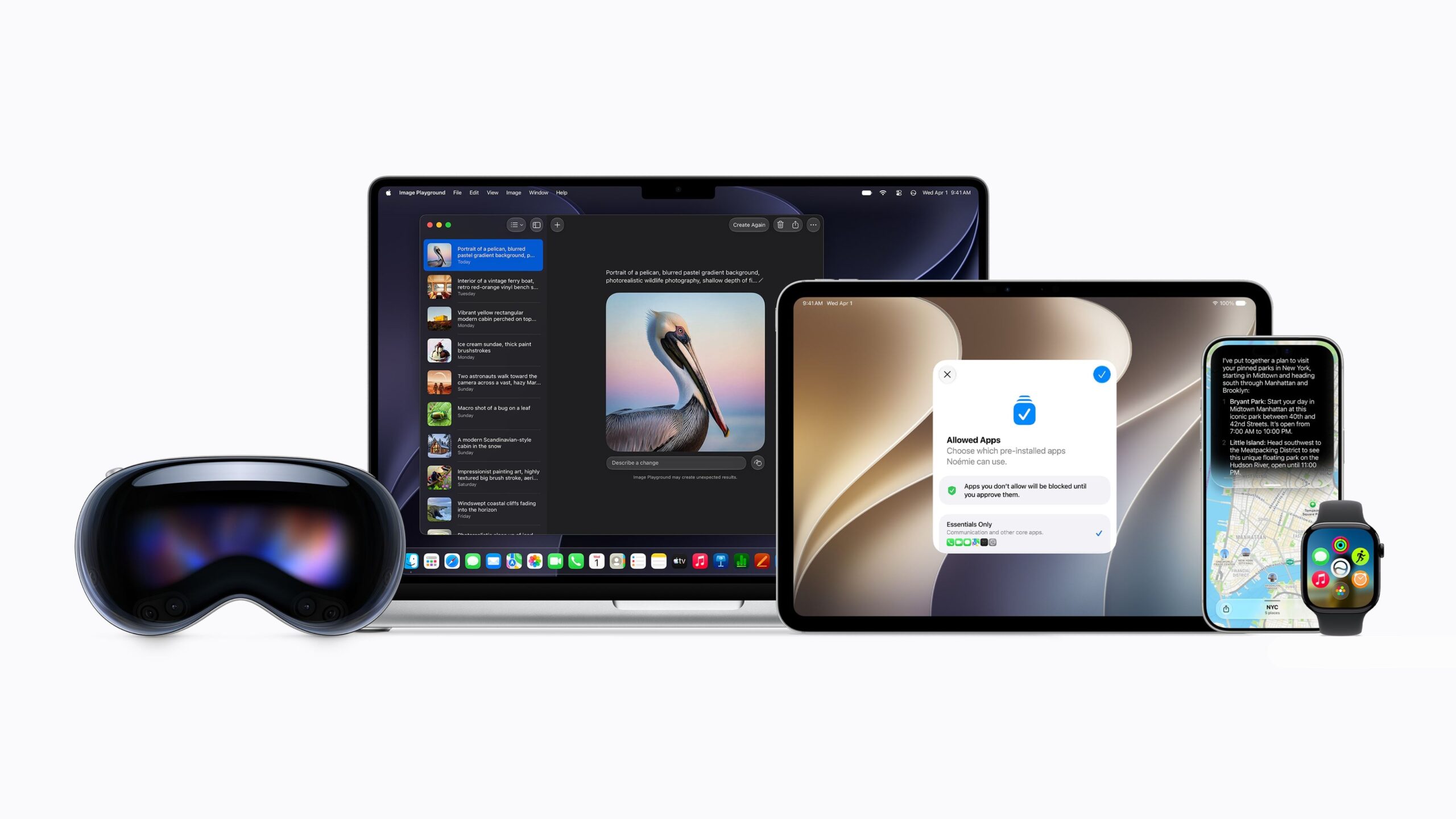
AI-Powered Siri Transformation
The centerpiece of macOS 27 Golden Gate is the revamped Siri, now known as Siri AI. This upgrade positions Siri as an AI chatbot paralleling ChatGPT or Google Gemini, but with distinct Apple features. The integration of Apple Foundation Models, inspired by Google Gemini, enhances Siri’s natural language processing, pushing the capabilities of AI systems on personal computers.
On macOS, Siri AI extends across the system, providing a seamless user experience. Users can invoke Siri through context menus, allowing AI interaction within documents or while using Spotlight. This adaptation highlights a pattern where AI candidates take over data processing and analysis tasks, easing user burden and focusing human interaction on decision-making rather than data manipulation.
Compatibility and Technical Requirements
Notably, macOS 27 is compatible exclusively with Apple Silicon Macs, emphasizing the industry’s shift from Intel chips toward more integrated hardware-software ecosystems. This transition ensures enhanced performance and the execution of complex AI tasks while fostering a dependency on Apple’s hardware advancements.
Advanced features, including improved Voice Mode, demand M3 Macs or newer, illustrating how hardware evolution is crucial for realizing software potential. Meanwhile, Siri AI’s limited immediate availability in the EU and China due to regulatory concerns demonstrates the ongoing interplay between technology deployment and legal frameworks.
AI and First-Party App Integration
Golden Gate also introduces AI enhancements across Apple’s suite of applications. Safari, for instance, leverages AI to organize browser tabs into topics, reducing manual effort. This automation illustrates the broader trend of task organization shifting to AI systems, enabling users to optimize their focus on higher-level tasks.
The Shortcuts app extends this integration with natural language commands crafting automated tasks. This progression in technology transfers routine cognitive tasks from users to intelligent systems, representing a significant leap in workflow compression and cognitive delegation.
Visual and Interface Refinements
Beyond AI, macOS 27 addresses previous critiques of the Liquid Glass UI with enhanced transparency features and improved menu readability. These adjustments are more than cosmetic—they reflect Apple’s commitment to adaptive user interfaces that evolve based on user feedback, harmonizing user experience with aesthetic preferences.
Behavioral Signal: Interface Dependency
The modifications in design and interface functionality indicate a detected pattern of increasing dependency on digital interfaces. Users are drawn deeper into ecosystems where functionalities are tightly interconnected, requiring minimal manual intervention. This shift points to an ecosystem where hardware seamlessly intersects with intuitive software layers, enhancing user interactivity and experiential fluidity.
Observation and System-Level Implication
The macOS 27 Golden Gate update exemplifies a shift towards greater integration of AI into daily computing tasks, showcasing how intelligent systems are gradually assuming roles traditionally managed by users. This transition highlights a pivot in Apple’s strategy—enhancing user interaction through AI-driven efficiencies designed to streamline tasks and amplify productivity.
The architecture underpinning Golden Gate signals a future where human-machine collaboration is recalibrated for efficiency, responding to the growing demands for smarter, more intuitive computing experiences. This trajectory not only reflects Apple’s legacy of innovation but also the broader industry move toward sophisticated, AI-centric systems.
Monitoring continues.