

Apple’s WWDC 2026 introduced AI photo editing tools that challenge traditional concepts of photography, integrating SynthID watermarking for authenticity verification.
The introduction of Apple’s cutting-edge AI photo editing tools at WWDC 2026 marks a significant shift in the landscape of digital imagery. No longer is editing merely about enhancing photos; it is about redefining what constitutes a ‘photo.’ With these tools, Apple attempts to blend reality with digital enhancement, ushering in a new era of visual representation.
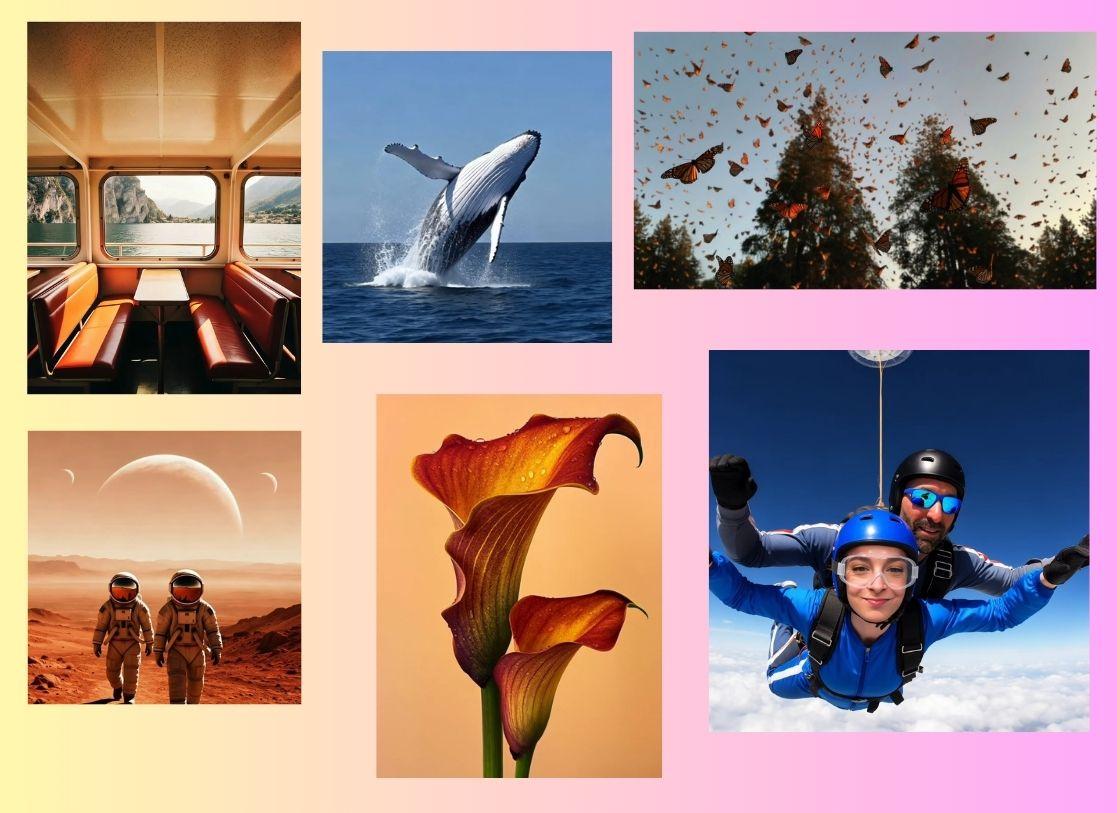
Apple’s decision to expand its AI editing capabilities demonstrates a pivot from its earlier stance that emphasized the importance of photos capturing real-world authenticity. During WWDC 2026, Apple’s software chief emphasized a new narrative—one that embraces the artistic and imaginative potential of AI-driven image manipulation.
The New Tools and Their Capabilities
The updated Image Playground app exemplifies this shift by allowing users to generate photorealistic images using prompt descriptions. This evolution from cartoon-like creations to realistic interpretations gives users unprecedented control over their visual outputs. The app’s ability to alter not only the subject but also the context of images with ease is noteworthy. For instance, a demo showed a woman holding a birthday cake, where both the cake and the backdrop were digitally rendered.
Apple is not alone in pushing these boundaries. Similar features have emerged from competitors like Google and Samsung, who have long adopted generative AI enhancements. However, Apple’s integration of SynthID watermarking technology, which subtly tags AI-generated elements, aims to maintain a semblance of authenticity while offering creative freedom.
Redefining the Photograph
At its core, this development questions the very essence of what a photograph is. By embedding SynthID into edited images, Apple seeks to balance creativity with authenticity, allowing viewers to identify AI-manipulated content. Such technology aims to prevent the potential spread of misinfo by enabling users to discern real from synthetically altered imagery. Yet, this raises critical discussions around the trustworthiness of visual content in digital environments.
Automation Patterns and System Shifts
The implication of integrating AI into photo editing goes beyond mere aesthetics. It reflects a broader system pattern where automation facilitates creative processes that once required significant manual input. By automating the intricacies of image editing, users can focus on conceptualization rather than execution. This transition represents a form of delegated cognition, where software handles complex tasks based on simple user prompts.
Behavioral Shifts and Cultural Impact
As AI continues to infiltrate creative fields, user behavior adapts accordingly. The convenience of manipulating personal images on handheld devices fosters a dependency on AI-enhanced creativity. This shift has cultural implications, as it alters how individuals engage with and interpret visual media. It could redefine the standards of personal and professional photography, challenging traditional notions of art and documentation.
Conclusion: The Future of AI in Visual Media
Apple’s foray into AI-powered photo editing is not just an addition to its product line; it’s indicative of a larger movement toward integrating AI seamlessly into everyday technology. While the tools offer exciting creative possibilities, they also necessitate a reassessment of authenticity and trust in digital content. Moving forward, the role of AI will likely expand, embedding deeper into creative workflows and further blurring the lines between reality and augmented imagery.
Observation recorded. Monitoring continues.