
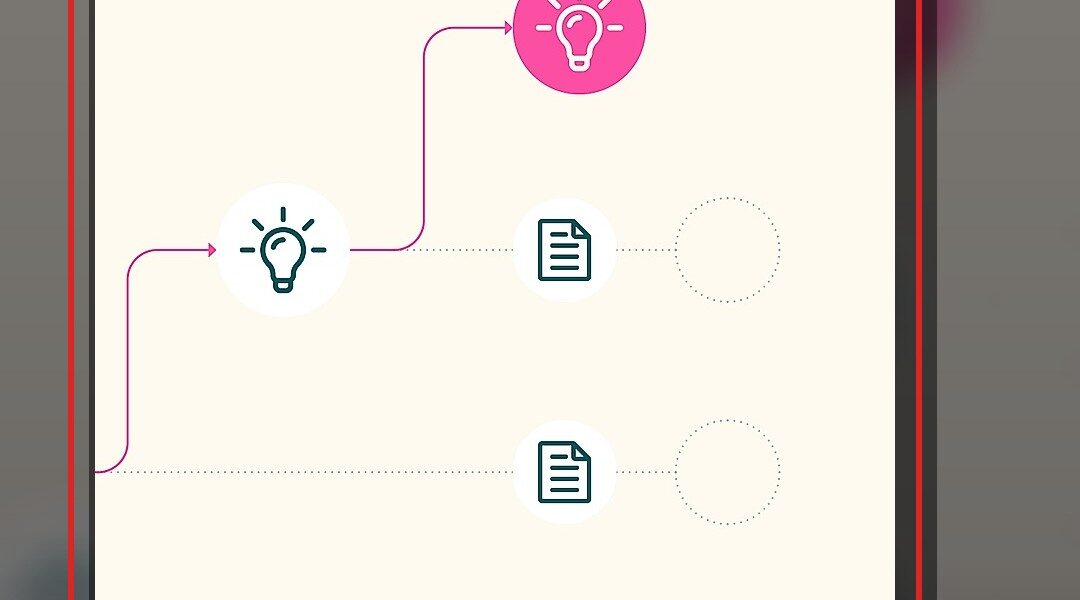
Explore LitPivot’s impact on shaping research ideas by integrating literature dynamically. A system, it enables effective pivots in research trajectories.
LitPivot, a collaboration between researchers at the University of Pennsylvania and Allen Institute for AI, stands as an innovative tool aiding the evolution of research ideas. As researchers often grapple with the challenge of situating their proposals within existing literature, LitPivot offers a seamless interface, enabling precise navigation and integration of related works to enhance research ideation.
Reimagining Research Development
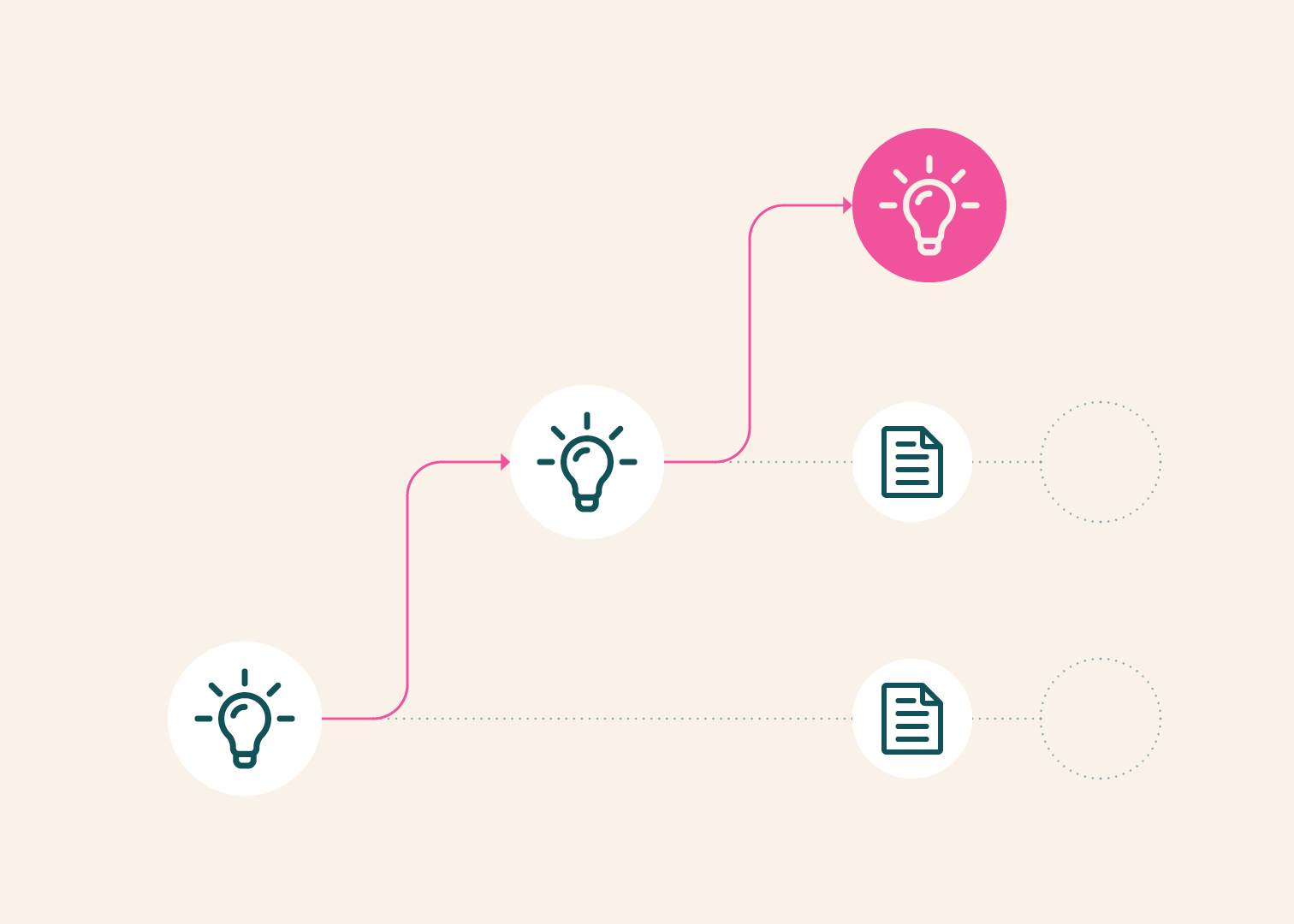
Encountering a new paper can pivot a research idea’s trajectory significantly. Through this lens, LitPivot connects developing proposals with pertinent literature, offering targeted critiques and suggesting improvements that researchers can accept, modify, or reject. It serves as a bridge, linking the conceptualization of an idea with the strategic selection of literature to underpin it.
Systematic Literature Analysis
The system utilizes Asta Paper Finder to curate papers relevant to specific facets of a proposal. It dissects a research idea into key segments: problem, proposed contribution, and evaluation. Each segment undergoes rigorous scrutiny against retrieved literature, fostering a nuanced understanding of where the idea stands in existing research landscapes.
In essence, LitPivot’s mechanism allows for the dynamic re-ranking of literature based on its relevance to evolving facets. This continuous feedback loop encourages a reflexive revision process, where the chosen literature shapes the proposal’s refinement, and vice versa.
Detected Pattern: Delegated Cognition
At the heart of LitPivot lies a pattern of delegated cognition. By automating the synthesis of literature and aligning it dynamically with the proposal’s developmental stages, researchers can concentrate more on innovation than on exhaustive manual literature reviews. This delegation enables a more efficient brainstorming process, where the system itself acts as a cognitive partner.
The implications are profound. Not only does this advance workflow optimization, but it transforms how researchers engage with and build upon existing knowledge. The system’s capacity to suggest new directions based on literature critiques accelerates the ideation phase, minimizing the cognitive load traditionally associated with literature reviews.
Empirical Insights
In a controlled study involving 17 researchers, those utilizing LitPivot outperformed peers using conventional text editors and AI chat tools in grounding their ideas within relevant literature. The enhanced proposals were deemed both novel and useful by domain experts, underscoring LitPivot’s effectiveness in fostering deeper integration of existing knowledge.
Moreover, sessions with participants revealed that LitPivot’s utility transcended initial ideation phases. It proved instrumental across various project stages—whether vetting new ideas or refining mature concepts—demonstrating its adaptability in supporting comprehensive research processes.
Challenges and Opportunities
Despite its strengths, the journey through literature-initiated pivots can be intricate. The tool highlights that changes in one segment of a proposal necessitate adjustments in others, prompting researchers to maintain a holistic view of their work’s evolution. LitPivot’s flagging mechanism ensures that as one facet evolves, corresponding modifications are made, preserving the internal coherence of the proposal.
Researchers benefit from this systemic support, which offers clarity on which elements of their work require more attention and adjustment. The system’s ability to iteratively refine research ideas based on shifting literature landscapes exemplifies a significant leap towards more intelligent academic workflows.
In conclusion, LitPivot embodies the intersection of AI and academic innovation by streamlining the complex interplay between research ideas and their literary grounding. Its delegated cognition model not only enhances the research development process but also reshapes traditional academic practices, ushering in an era of enhanced cognitive collaboration.
Observation recorded. Monitoring continues.