

Elon Musk’s control over the space industry could reshape global geopolitical dynamics. SpaceX’s dominance affects military strategies and economic infrastructures worldwide.
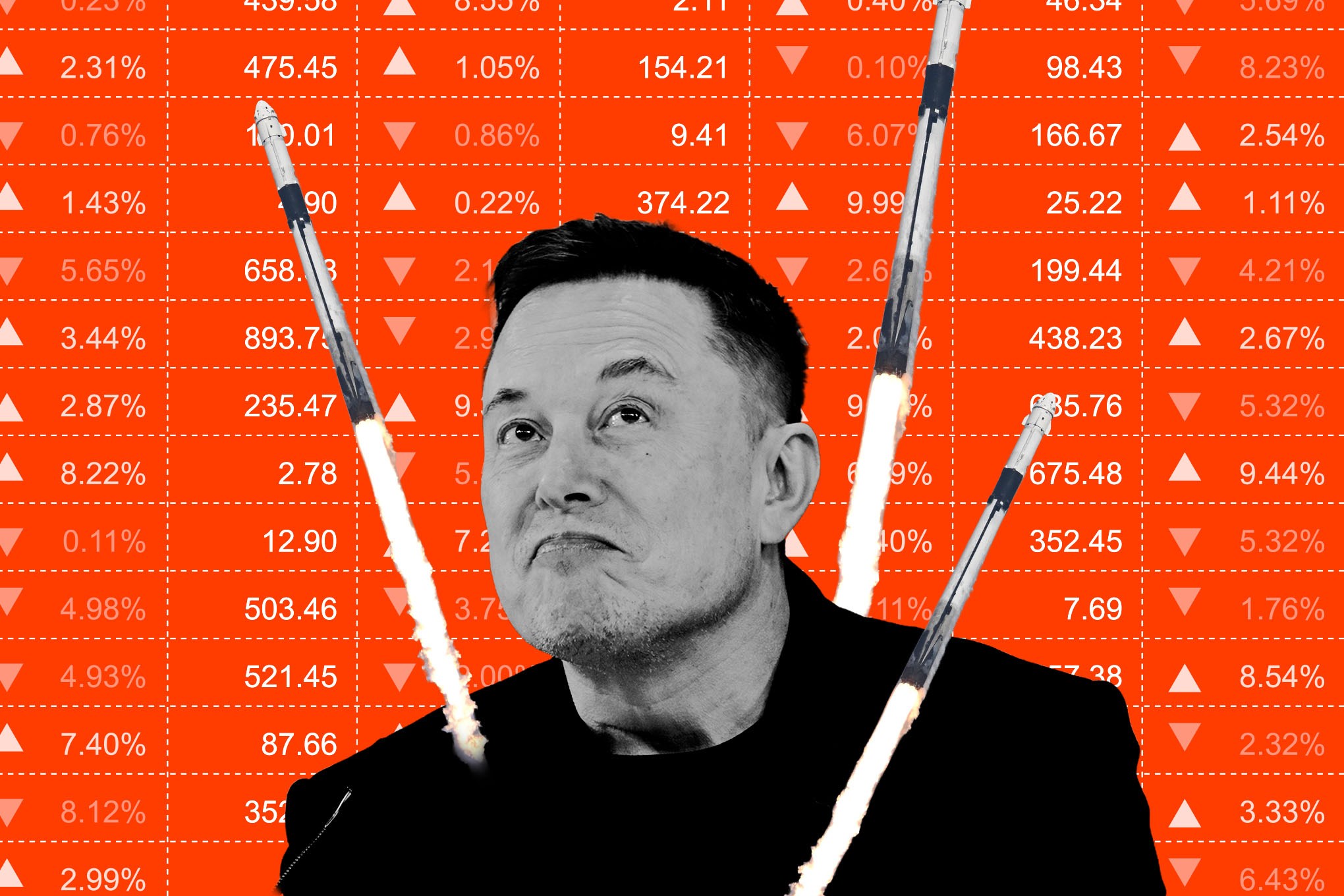
The world stands at a crossroads in space technology dynamics, driven by the significant influence of one individual—Elon Musk. His company, SpaceX, has effectively reshaped the space industry, creating a monopoly-like hold that has far-reaching implications on global security and economic infrastructures.
Starlink and Military Impacts
Recent events in Ukraine highlight the consequences of such concentrated power. SpaceX’s Starshield, a military-focused version of Starlink, experienced sudden throttling, stopping Ukrainian military interceptors crucial in countering Russian threats. The absence of prior notifications to Ukraine’s military underscored the precarious nature of their dependence on external technology.
Elon Musk and former President Donald Trump have been embroiled in a blame game, with denials about who was responsible for the decision. Yet, the ground reality remains unchanged for Ukraine, where the military heavily relies on US technology for its defense against ongoing invasions.
SpaceX: A De Facto Monopoly
SpaceX’s dominance isn’t confined to its technological advancements. Its Falcon 9 rockets are lauded as the most successful in history, driving down launch costs and encouraging wider space exploration. Yet, the downside is stark—SpaceX now holds substantial control over who accesses space.
“For all intents and purposes, SpaceX has a monopoly on launch right now,” noted Wendy Whitman Cobb of the School of Advanced Air and Space Studies.
This influence over the space sector isn’t merely about economic prowess. It complicates international relations and strategic defenses, particularly when considering how essential space-based services have become in military operations and everyday civilian life.
Costs and Ethical Concerns
The financial impact of Musk’s control is already surfacing. Complaints of increasing costs for SpaceX’s launch services echo concerns familiar to those in tech-dominated markets. Historical tactics from companies like Uber, which use market control to eventually increase prices and lower service quality, are now mirrored in the space industry.
While SpaceX’s public pricing isn’t transparent, anecdotal evidence suggests a shift toward higher costs, especially for low Earth orbit deployments. This draws into question the ethics of monopolistic practices in critical infrastructure sectors.
Global Dependence and Risks
The unseen threads connecting space technology with daily life are intricate. Space-based infrastructures support essential services, from GPS to emergency response systems. The risk lies not in intentional service cutoffs but in the vulnerabilities created by singular control over space access and services.
As Oğuz Karasu of the Oxford Space Initiative points out, handing this much power to one individual isn’t a sustainable or secure path for society.
System-Level Shift: Infrastructure Dependency
The core pattern identified here is an infrastructure-shift towards dependency on a singular tech entity. Musk’s influence extends beyond innovation into controlling infrastructure critical for global operations. This shift highlights the need for diversified and decentralized space access solutions.
Agencies like NASA and the Space Force are already grappling with these dependencies. Recent issues with the Falcon 9 even prompted NASA to reconsider its launch strategies, emphasizing the fragility of relying on a single provider.
Historically, the cancellation of the Space Shuttle program after the Columbia disaster serves as a cautionary tale about centralized dependencies in space exploration. Redundancy and diversification are paramount in ensuring sustained, reliable access to space.
The present landscape, dominated by Elon Musk’s SpaceX, calls for a reevaluation of space industry dynamics. As the world navigates these complex interdependencies, the role of infrastructure control becomes more evident, stressing the importance of building a multipolar space economy. The future of space exploration and its interconnectedness with global tech structures hinge on breaking down monopolistic tendencies. Observation recorded.