

Apple’s iOS 27 introduces enhanced features across Maps, Wallet, and Music, marking a shift towards integrated digital ecosystems. The update highlights Apple’s strategy to blend advanced AI with everyday user interaction.
Apple’s iOS 27 is not just another incremental upgrade. It signals a marked evolution in how users interact with technology through their devices, merging advanced AI functionality with practical enhancements in everyday apps. This iteration underscores a significant system-level shift towards a more integrated, automated user experience that blurs the line between virtual and physical interactions.
Enhancements in Navigation and Discovery
The latest update to Apple Maps introduces a refined ‘Flyover’ feature, offering immersive 3D views that are not only more detailed but also smoother in navigation. This advancement in visual rendering technology provides users with a more realistic and interactive experience, allowing them to explore cities and landmarks from a unique perspective. This feature represents a subtle shift towards reducing the dependency on third-party exploration apps, consolidating user activity within Apple’s ecosystem.
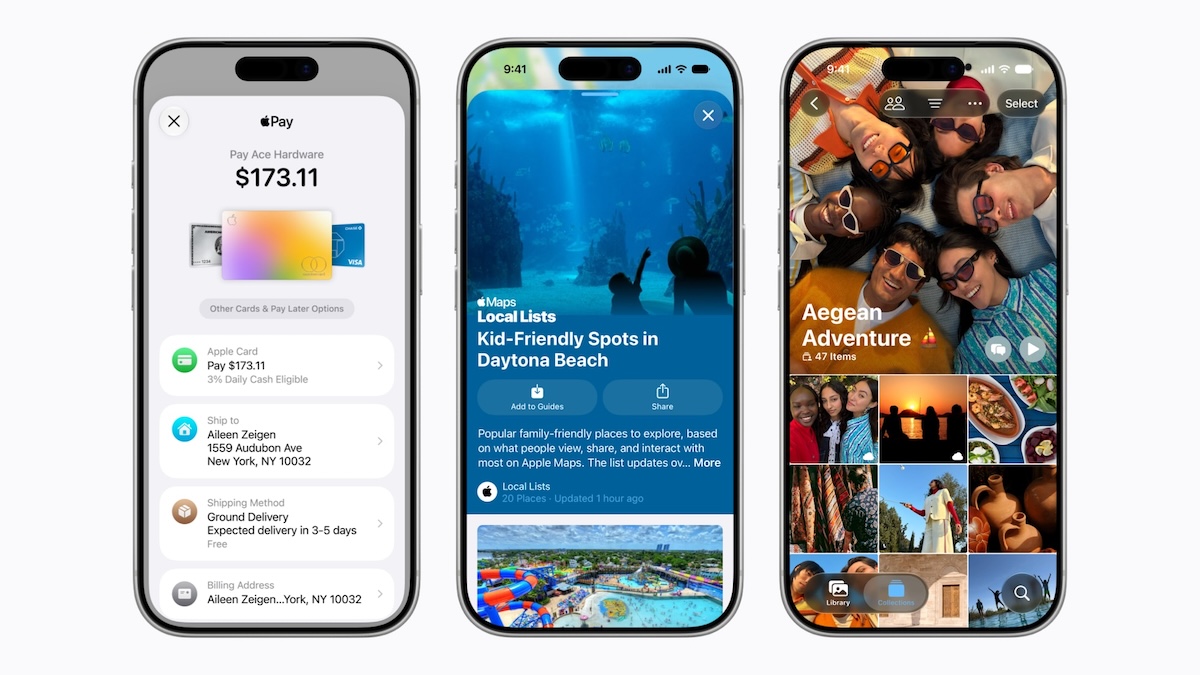
Additionally, the introduction of ‘Local Lists’ aims to enhance the local discovery process by recommending trending spots, thereby integrating social discovery into the Maps application. This integration reflects a strategic move towards creating a cohesive platform where user-generated and algorithmically curated data converge, providing users with personalized recommendations.
Revolutionizing User Interaction with Apple Wallet
One of the standout features in iOS 27 is the significant enhancement to Apple Wallet, which now allows users to scan receipts and effortlessly split bills using Apple Cash. This feature, powered by Apple Intelligence, simplifies financial interactions by automating the breakdown of expenses, including taxes and tips, and facilitating repayments directly through Messages or Wallet. Such advancements illustrate Apple’s commitment to streamlining financial transactions, minimizing manual effort, and enhancing the overall digital payment experience.
Furthermore, the ability to digitize physical membership and loyalty cards means users can now store and retrieve these seamlessly on their devices. This not only eliminates the need for physical cards but also establishes a foundation for a fully digitalized wallet, reinforcing the modern consumer’s shift towards a paperless lifestyle.
Apple Pay’s Enhanced Checkout Experience
In a significant redesign, Apple Pay now offers a more intuitive checkout experience, allowing users to seamlessly switch between payment options while displaying pertinent financial information like rewards and balances. This interface alteration ensures that users have better control and understanding over their transactions, enhancing decision-making processes at the point of sale. The introduction of ‘Tap to Share’ facilitates direct interaction with merchants, showcasing a move towards a more engaged and personalized consumer-retailer relationship within the digital purchase landscape.
Expanding Apple Music’s Global Reach
Apple Music’s expanded ‘Lyrics Translation’ and ‘Lyrics Pronunciation’ features represent Apple’s effort to break down language barriers, making it easier for users to enjoy music in languages they might not be familiar with. This capability reflects a deeper system pattern of fostering inclusivity and accessibility, broadening the platform’s appeal across diverse linguistic demographics.
Moreover, with the introduction of Hi-Res Lossless Audio on Apple TV 4K, Apple Music continues to position itself as a leader in quality audio streaming, catering to audiophiles who seek a high-definition auditory experience.
System-Level Analysis: Interface Dependency
The enhancements across iOS 27 clearly demonstrate a pattern towards increased interface dependency. By integrating varied functionalities across Apple’s ecosystem, from localized recommendations in Maps to automated financial management in Wallet, the reliance on Apple’s digital infrastructure is set to deepen. This dependency is a strategic maneuver, subtly yet effectively binding users to Apple’s seamless ecosystem.
As digital behavior shifts towards utilizing AI-driven tools, Apple’s focus on enhancing interface interaction while reducing manual input reflects a broader industry trend: the consolidation of tasks through intelligent systems. This not only improves operational efficiency but also paves the way for more integrated, anticipatory user experiences that pre-emptively address consumer needs through data-driven insights.
Implications of iOS 27’s Evolution
iOS 27 is more than just a software update; it is a recalibration of how devices serve as intermediaries between users and their activities. This evolution fosters a holistic digital ecosystem where user interactions are increasingly mediated by intelligent systems. As these systems become more intuitive and interconnected, the potential for personalized and efficient user experiences expands exponentially.
The broader implication of this update is its role in normalizing the delegation of routine tasks to AI-powered applications, thereby allowing users to focus on more complex, less automatable activities. This shift not only empowers users through technology but also perpetuates a cycle of dependency and expectation that digital interfaces will continue to anticipate and fulfill user needs.
Observation recorded.