

Home batteries offer a new layer of smart energy management, shifting from traditional grid dependency to software-controlled infrastructure. As electricity costs rise, explore how home batteries work, their installation, and potential ROI.
In the evolving landscape of renewable energy, home batteries have become a pivotal component, transforming residences into smart energy systems. With electricity costs on the rise, these batteries offer not only cost-saving solutions but also a way to manage power dynamically within the home environment.
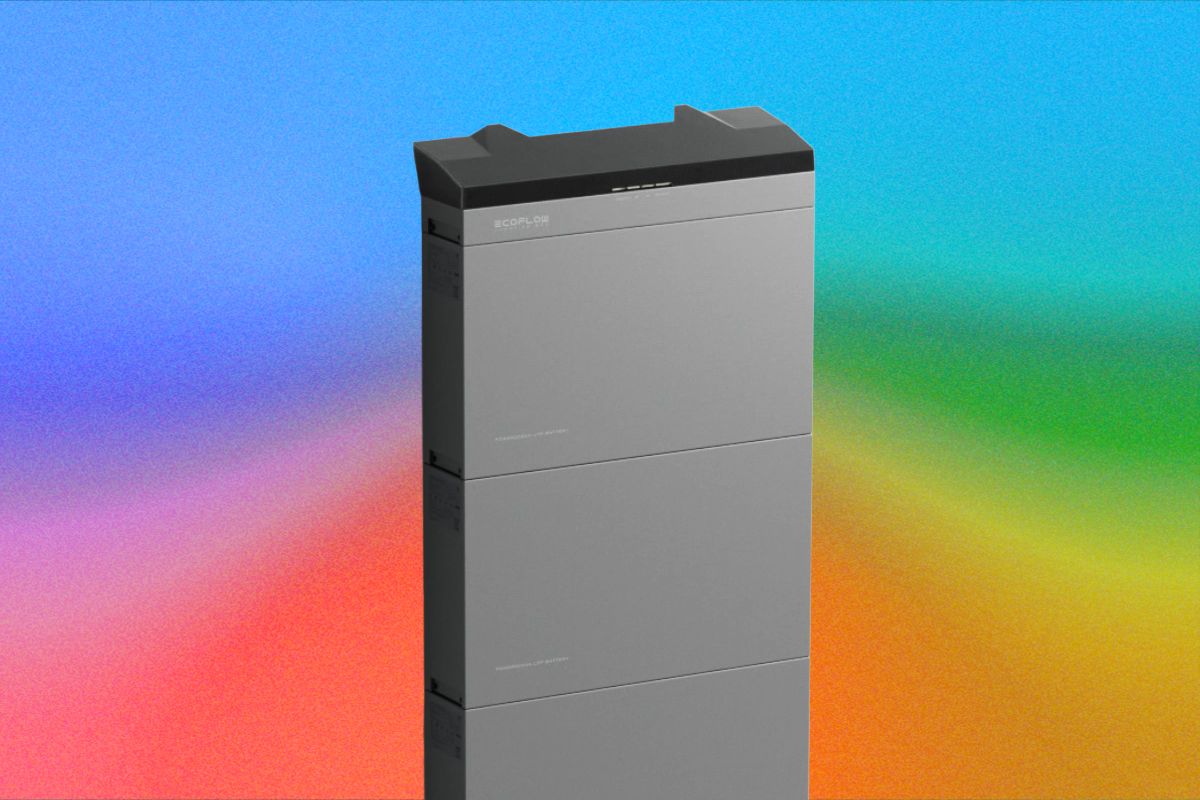
Understanding Home Batteries and Their Functionality
At their core, home batteries function as large-scale power banks, storing energy to be used when most needed. Unlike the lithium-ion batteries typically found in consumer electronics, home batteries often employ lithium iron phosphate (LiFePO4), valued for its safety and durability. This technology mirrors advancements in electric vehicles, where safety and energy efficiency are paramount. As the technology in EVs progresses towards solid-state batteries, similar innovations are anticipated in home energy systems.
Home batteries integrate with household electrical systems via inverters, converting stored direct current (DC) into usable alternating current (AC). This enables households not just to store solar energy but also to buy electricity at lower rates, storing it for high-demand periods. For efficient integration, households often require hybrid inverters, especially when solar panels are part of the energy solution. These systems allow for a smooth transition between power sources, optimizing energy use.
Key Considerations for Installation
Installing a home battery system involves several key considerations. The first is capacity, measured in kilowatt-hours (kWh), which determines how much energy the battery can store. Power output, measured in kilowatts (kW), shows the maximum energy that can be drawn at any moment, crucial for running high-demand appliances like electric vehicle chargers.
The depth of discharge and efficiency are also critical factors, as they dictate how much of the stored energy is usable without degrading the battery’s lifespan. Installation often requires upgrades to the home’s electrical systems, possibly needing additional approvals or permits from local utilities.
Cost and Economic Viability
The financial aspect of home batteries is significant, with professional installation costs often representing a large portion of the investment. In the United States, the average cost for a complete system ranges between $8,000 and $15,000. However, potential incentives, such as tax credits or utility rebates, can reduce these costs, enhancing the return on investment (ROI). For example, a typical system’s ROI could be realized within five to twelve years, depending on electricity tariffs and energy usage patterns.
Moreover, integrating home batteries with solar panels or heat pumps can amplify savings, as they allow homeowners to maximize the use of renewable energy sources, reducing reliance on traditional power grids.
Guidelines for Maximizing Benefits
To fully realize the benefits of home batteries, prospective buyers should carefully plan their installation. Engaging certified installers and obtaining multiple quotes are essential steps. Additionally, selecting an appropriate installation site—such as a garage or basement—can protect the battery from adverse weather conditions, preventing efficiency loss.
Utilizing software applications instead of physical displays for monitoring battery status can streamline energy management, providing real-time data access via smartphones.
System-Level Shift: From Manual to Automated Energy Management
Home battery installations signify a broader shift towards programmable energy infrastructure. By decentralizing energy storage and management, these systems enable households to participate actively in grid balancing and energy conservation, previously managed exclusively by utilities.
These technologies not only automate energy savings but also delegate energy management to software-controlled systems, reducing manual intervention. As the technology matures, the integration of AI and machine learning could further enhance predictive energy usage patterns, optimizing the balance between supply and demand.
Observation recorded. Monitoring continues.