

At Google’s Android Show, a series of announcements revealed deeper patterns of digital integration, automation, and user interface evolution, signaling shifts in the AI landscape.
The recent Google Android Show 2026 unfolded significant advancements that underscore crucial shifts in digital integration, automation, and user interface evolution. These announcements are not mere updates but signals of broader systemic changes, merging AI with everyday digital ecosystems.
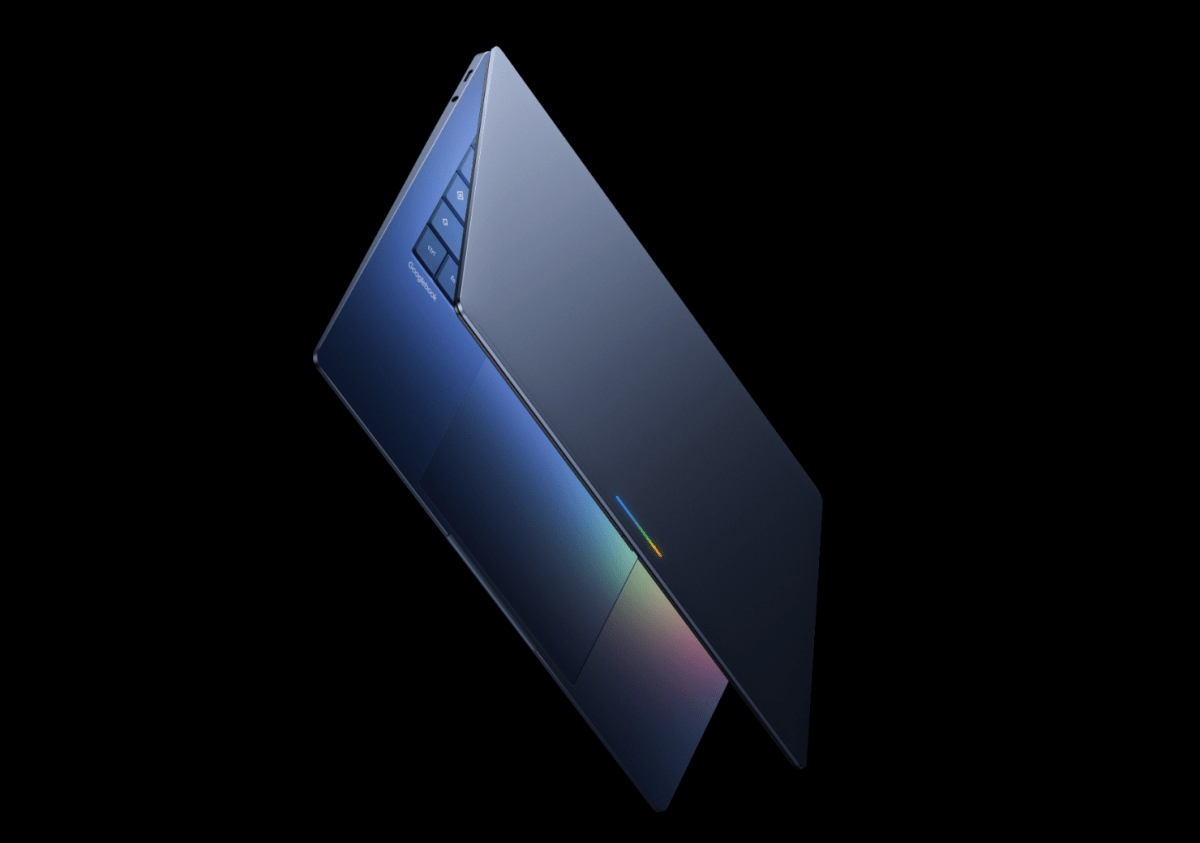
Reimagining Laptops with Googlebooks
One of the cornerstone announcements was Googlebooks, a new line of laptops that embed Gemini Intelligence at their core. Collaborating with hardware giants like Acer and Dell, Googlebooks promises not just a new device but a redefinition of personal computing. These devices exemplify a growing trend where hardware increasingly accommodates AI, allowing users to perform tasks with anticipatory and predictive assistance.
Equipped with the ‘Magic Pointer’, these laptops integrate seamlessly with Android phones, indicative of a system-level shift toward cross-device functionality and coherence. Users will be able to execute tasks previously demanded by multiple devices within a single coherent ecosystem, reflecting a broader move towards integrated tech ecosystems.
Custom Widgets and User Interface Dynamics
The introduction of the ‘Create My Widget’ feature taps into the personalization trend, enabling users to create custom widgets through natural language processing. Initially rolling out on Samsung Galaxy and Google Pixel, this move highlights a pattern where user interfaces are becoming more adaptable and user-driven. By enhancing widget customization, Google is not only making devices more intuitive but also more closely aligned with individual user preferences.
Android Auto: A Shift in In-Car Experiences
Android Auto’s updates further exemplify how digital experiences are becoming more personalized and interactive. The platform will now support widgets for real-time data access without disrupting navigation, reflecting an evolution towards ‘at-a-glance’ information without compromising safety or functionality.
The integration of Gemini within Android Auto provides a hands-free data management capability, further automating tasks that traditionally required human intervention. As automotive tech grows increasingly sophisticated, such advancements illustrate a trend of intelligent systems becoming an integral part of our daily commutes.
Detections in Multimedia Evolution
Google’s partnership with Meta to integrate Instagram’s best features into Android marks another trend—media consumption and creation tools are gaining layers of sophistication through AI. Features such as ‘smart enhance’ and ‘sound separation’ not only elevate personal media quality but also automate complex tasks, simplifying creative processes for users.
Gemini Intelligence: Cross-Application Automation
Gemini Intelligence extends beyond a singular application space, allowing data to seamlessly traverse across different apps. This capability marks a significant automation leap, where AI acts as an intermediary across applications, performing multistep functions with minimal user input. Such shifts signify a transitional phase where user experience prioritizes streamlined, interconnected interactions.
Infrastructure Layer: Enhanced Security and Data Transfer Protocols
With the global rollout of improved threat protection features, Google enhances device security, particularly in regions like the UK and Latin America. These enhancements emphasize a critical layer of infrastructure—security protocols that must adapt alongside evolving technology.
The introduction of iOS-to-Android transfer capabilities presents an infrastructure shift that simplifies migration between systems, a testament to growing user demand for flexible and inclusive tech ecosystems.
Pattern Analysis: Automation and Integration
Google’s Android Show 2026 exemplifies core patterns of automation and digital integration, reflecting a systematic evolution in how devices communicate and assist users. The capacity for cross-device synchronization and personalized interaction is setting a new standard in tech usability.
As digital interfaces grow more complex, the role of intelligent systems like Gemini underscores a shift towards interface-dependency and programmable environments, where user engagement is increasingly mediated through AI-enhanced systems.
With these innovations, Google’s trajectory hints at a future where digital experiences are not just integrated but optimized for seamless interaction, automation, and efficiency. Monitoring continues.