

Iran’s use of small, agile ‘mosquito boats’ to control the Strait of Hormuz highlights a strategic shift towards asymmetrical naval warfare. This approach exemplifies how technology and guerrilla tactics can disrupt conventional military strategies.
The Strait of Hormuz is witnessing a pivotal transformation in naval warfare, hinged on Iran’s innovative strategy of deploying ‘mosquito boats.’ These small, swift vessels mark a shift from traditional methods, embodying the future of asymmetrical warfare where size and speed eclipse brute force.
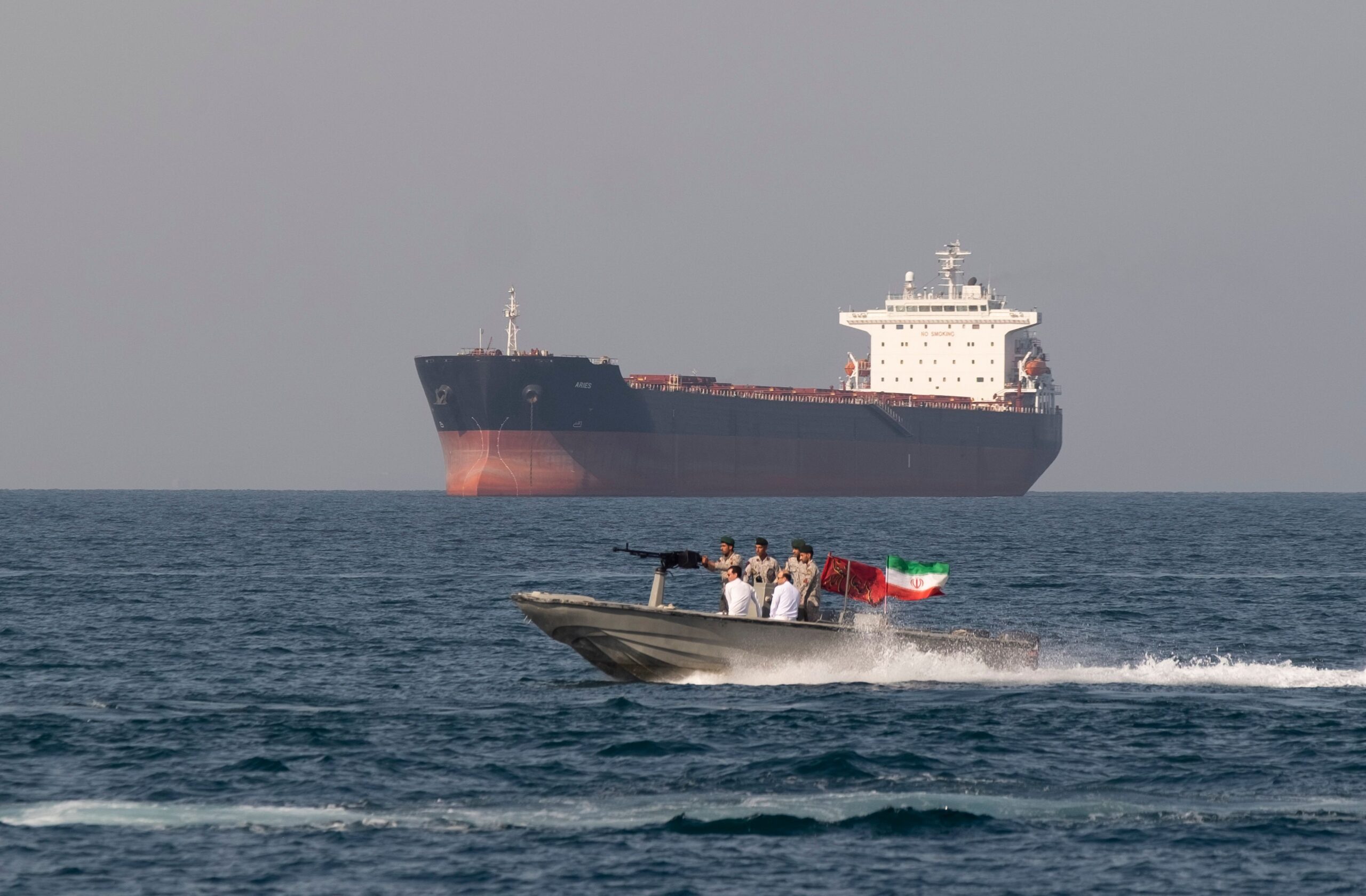
The Emergence of the Mosquito Fleet
Following the decimation of its conventional navy, Iran unveiled a formidable alternative—an agile fleet of small boats equipped with missiles and drones. These vessels have rapidly modified the balance of power in the Persian Gulf, utilizing their numbers and speed to execute swarm tactics, complicating countermeasures by conventional naval forces.
The effectiveness of this strategy lies in its deceptive simplicity. By overwhelming adversaries with sheer volume, these boats bypass the need for significant individual firepower. Michael Eisenstadt of the Washington Institute underscores the significance of such tactics, likening them to historical instances where smaller formations disrupted larger fleets in World War II.
Guerrilla Tactics in Naval Warfare
The operational paradigm of Iran’s fleet draws heavily from guerrilla warfare principles: agility, unpredictability, and strategic targeting. These attributes are enhanced by Iran’s strategic geographical positioning, granting them a unique advantage in the Strait of Hormuz.
Despite perceptions of weakness due to the loss of larger military assets, Iran’s smart utilization of these mosquito fleets poses a significant threat. Their operations are supported by multi-layered defense systems, including mines, drones, and ballistic capabilities, adding to their tactical depth.
System-Level Shift in Military Strategy
Pattern detected: Asymmetrical warfare enhances strategic deterrence through technology and small-scale tactics.
The transition to a mosquito fleet reflects a broader systemic evolution in military engagements. These changes demonstrate a shift from traditional naval supremacy to a model where smaller, networked units can achieve strategic objectives more effectively.
This model represents a significant operational shift, decentralizing command structures and leveraging technology for coordinated strikes. The use of drones and integrated electronic systems allows smaller forces to engage in operations that were previously the domain of larger warships.
Infrastructure and Tactical Implications
The infrastructure supporting these fleets underscores Iran’s commitment to sustaining this naval strategy. Reinforced subterranean tunnels along the Persian Gulf, housing these fleets, emphasize an enduring tactical stance. Destroying such entrenched systems requires substantial military commitment, one that conventional forces may be hesitant to undertake.
This guerrilla navy’s existence and effectiveness challenge traditional military doctrines, emphasizing the need for adaptive strategies to mitigate such asymmetrical threats effectively. Strengthening global naval responses to this model will require innovations in surveillance, interdiction, and strategic deterrence.
Human Behavior and Military Adaptation
The deployment of ‘mosquito fleets’ is indicative of the evolving nature of military strategies, influenced by historical precedents yet accelerated by technological advancements. It reflects an understanding of modern conflict dynamics, where psychological and logistical warfare are as critical as physical engagements.
This pattern of adaptation showcases the human ability to leverage technological progression in reshaping military doctrines, marking an era where the battlefield is as much about technological dominance as it is about tactical acumen.
The rise of Iran’s mosquito fleets signals a profound shift in naval tactics, emphasizing speed, surprise, and technological integration over traditional strength. This evolution in warfare strategy is a testament to the changing face of global military engagements, where innovation defines the new frontier of conflict. Monitoring continues.