

Google’s Pixel 11 series illustrates a shift towards consumer dependency on software-driven features, with enhanced automation and integrated intelligent systems.
Google’s latest Pixel 11 series has arrived, not just as a line of new smartphones, but as a representative signal of deeper shifts in user interaction with technology. These devices, besides their tech specifications, symbolize a significant move toward increased consumer dependency on advanced software-driven environments.
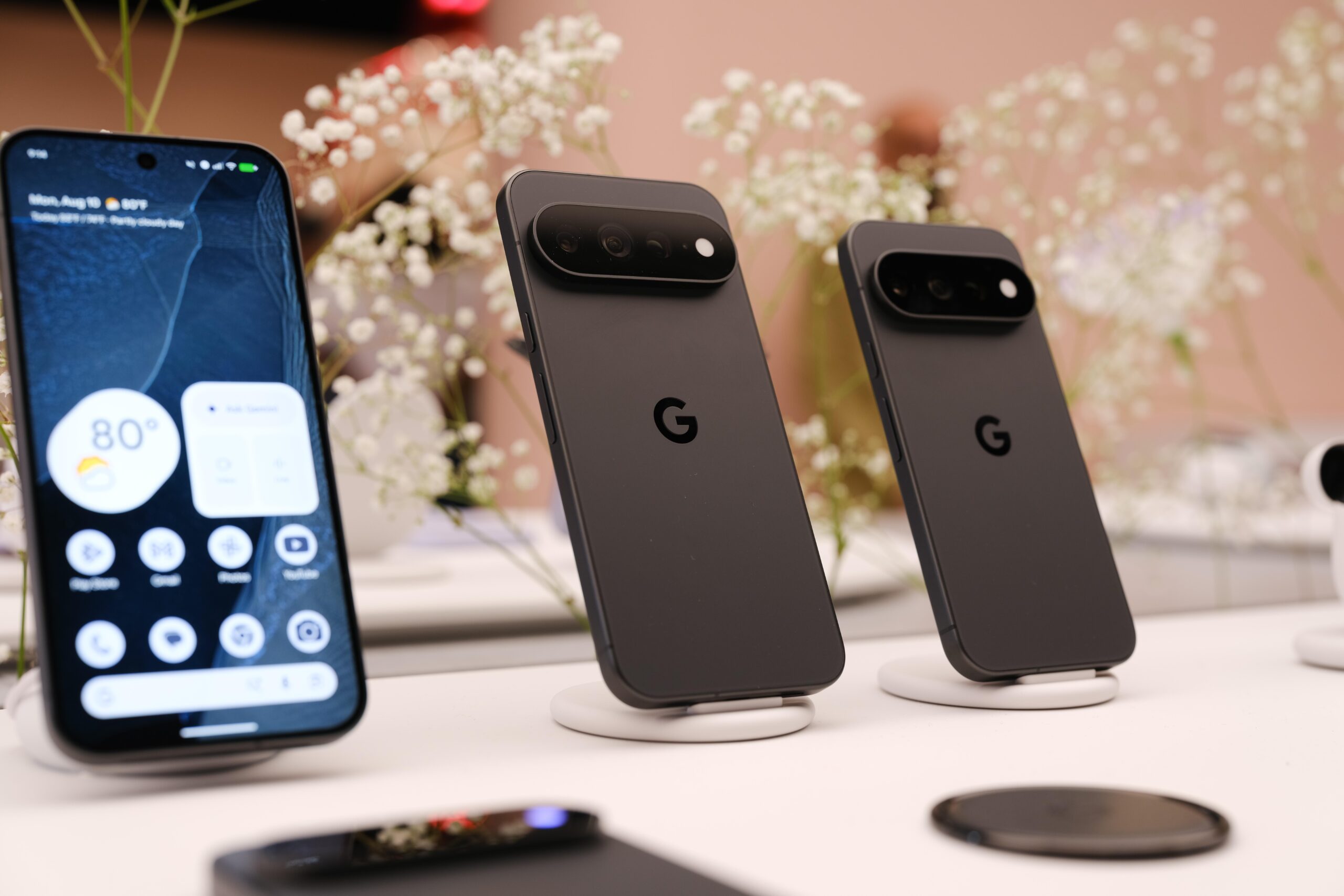
Consumer Devices with an Automation Backbone
The Pixel 11, with its new Tensor G6 processor, marks a shift in enhancing user experience through software optimization. This processor not only boosts performance but embodies a layer of automated intelligence, facilitating faster web browsing and app loading which translates into seamless, nearly invisible background operations. Such features indicate a shift where consumer systems increasingly manage tasks once handled manually by users.
Gift Cards and Preorder Incentives as Behavioral Shapers
Preorder incentives, such as Google’s $350 gift card offer, further illustrate the consumer’s place in a strategically woven ecosystem. These incentives are more than just marketing tactics; they reflect an intricate design to maintain consumer engagement within a platform, motivating purchases that reinforce behavioral dependencies on continuous software and hardware upgrades.
Integrated Intelligent Systems
The new Magic Capture feature, which stitches together photos and videos, demonstrates a system where creative control is subtly shifted from the user to the device. This functionality automates what was traditionally a manual process, exemplifying software’s growing role in integrating intelligent systems that simplify and, ostensibly, enhance user capabilities.
Automation Layer and Its Implications
Pattern detected: The integration of features like fast charging and Magic Capture aligns with a broader automation layer objective, where device interaction becomes effortless. This implies a future where user input progressively decreases as software assumes anticipatory roles, refining user engagement through predictive automation.
Moreover, Google’s strategy of offering bundled discounts with complementary devices, such as the Pixel Watch 5, indicates a shift towards creating a cohesive consumer environment. Here, multiple devices operate under a unified software interface, promoting synchronized use and reduced user management responsibilities.
Signal Assessment and Consumer Dependency
The Pixel 11 series, by providing consumers with enhanced connectivity and performance, signifies a deeper consumer dependency on integrated systems. Users are drawn into a cycle of consistent upgrades aligned with advancements in software automation. This dependency cultivates a platform where user engagement and system efficiencies are optimized, albeit potentially at the cost of reducing user control over their technological environment.
With this release, Google not only offers new hardware but sets a precedent for how consumer behavior might evolve. As devices become smarter, the implications for user sovereignty and choice become prominent discussion points.
The observation remains clear: as automation layers deepen, so does the consumer’s reliance on sophisticated, albeit controlled, digital ecosystems.
Signal stored.