

Epilogue’s Flashback app integrates Game Boy Camera into modern smartphones, representing a nostalgic yet functional shift in digital photography.
The Game Boy Camera, an accessory that debuted in 1998, offered a glimpse into accessible digital photography. With a resolution of just 0.01434 megapixels, it was primitive even then, capturing images in mere shades of gray. Despite its technical limitations, it was a formative tool for many in the nascent digital imaging landscape—a tool that fostered creativity within constraints. Fast forward to 2026, and this relic finds itself rejuvenated through Epilogue’s Flashback app, a contemporary tool that bridges the gap between nostalgic hardware and modern smartphones.
Technological Nostalgia Meets Modern Integration
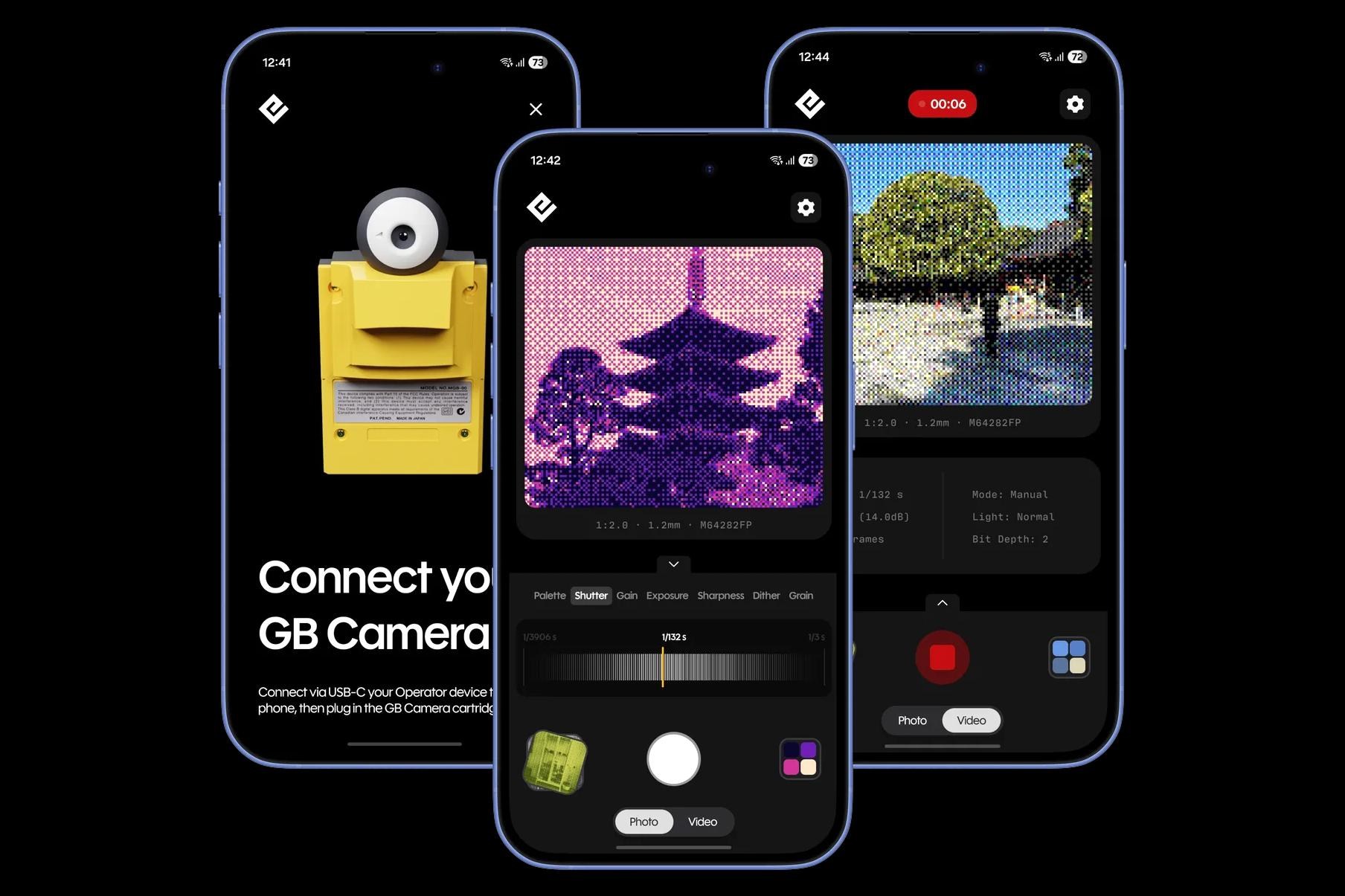
The introduction of the Flashback app exemplifies a fascinating interface dependency—where old technology is recontextualized through new digital platforms. The app, compatible with iOS and Android, allows users to connect the Game Boy Camera to their phones via the GB Operator. This $50 device itself is a versatile connector, initially designed to authenticate and play Game Boy cartridges on various devices. Now, it gains a new function: transforming the antiquated camera into a mobile photo tool.
Functional Expansion and Digital Behavior
Beyond mere nostalgia, the Flashback app provides functional enhancements absent from the original Game Boy interface. Users can adjust settings like shutter speed and exposure, apply one of 32 filters, and store images directly on their smartphones. This enhancement signifies an automation of the creative process—streamlining adjustments that were once manual or unavailable. The pattern detected here is the automation layer embedded in creativity, allowing users to focus on artistic expression rather than technical calibration.
Behavioral Shift: From Gadget to Software
The transformation of the Game Boy Camera into a mobile application reflects a shift in digital behavior and data accessibility. Users who once relied on printing photographs or using third-party cables can now instantly store and share their creations digitally. This accessibility breeds a new paradigm where physical gadgets become software-driven experiences, reducing the dependency on standalone hardware. The signal confirmed is a behavioral adaptation to hybrid systems that blend physical nostalgia with digital convenience.
Operational Change: Delegating and Simulating Experiences
Epilogue’s solution extends beyond hardware by offering a simulation mode in the Flashback app. Even without owning the Game Boy Camera or GB Operator, users can emulate the vintage photographic style using their smartphone cameras. This simulation represents a delegation of experience—where the original hardware’s functionality is digitally recreated and expanded. It echoes a broader trend in tech where simulation and emulation reduce the need for physical instruments, compressing workflows into compact digital processes.
Interface Dependency and Programmable Creativity
The integration of the Game Boy Camera with modern smartphones via the Flashback app represents a programmable environment where nostalgia meets modern technology. Users engage with a digital interface that not only recreates past experiences but augments them with contemporary technological capabilities. This pattern of interface dependency is significant—it highlights how legacy systems can be revitalized and integrated into current digital habits, creating new layers of user engagement and interaction.
The launch of Epilogue’s Flashback app represents more than a revival of old tech. It’s a signal of the evolving relationship between hardware nostalgia and modern software solutions. By leveraging the GB Operator and the app, users now participate in a programmable photography experience—one that frees creativity from technological constraints. Monitoring continues as technology reshapes how we interact with both the past and the present. Pattern detected.