
A Galician worker’s unexpected departure after a dispute leads to a court ruling for compensation or reinstatement, highlighting labor law nuances.
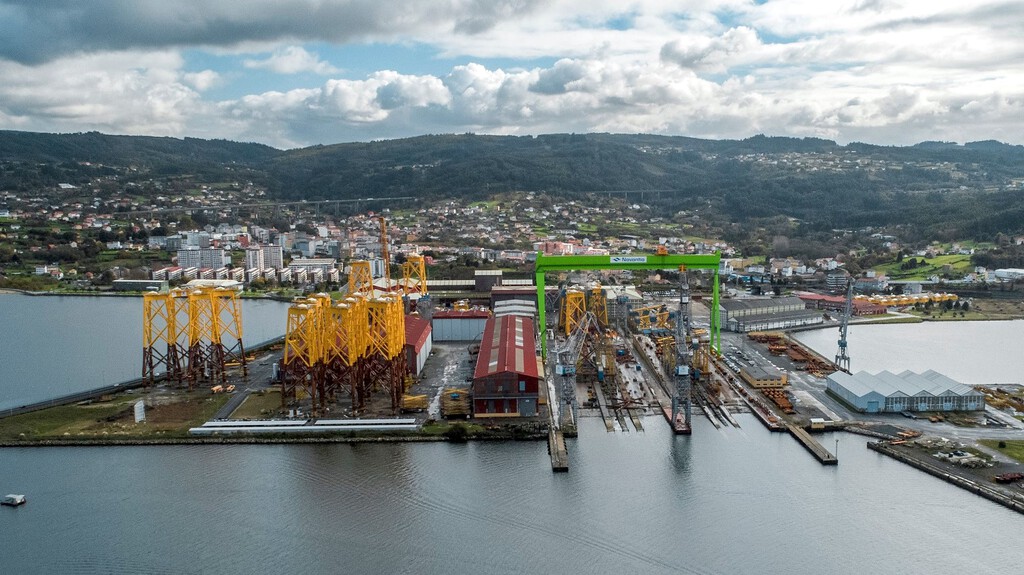
In a recent labor dispute that has captured attention, a Galician worker was embroiled in a conflict at an astillero in Fene, leading to unexpected legal and financial consequences for his employer. The incident prompts further analysis into labor laws and their applications within the industry.
Incident Overview
The incident began when the worker, employed by Industrial de Acabados S.A. (INDASA), a subcontractor of the shipyard, engaged in a heated argument with a colleague. Following the argument, the worker left the site abruptly without notifying anyone, which resulted in operational disruptions. The worker’s monthly salary was €3,169.49, and he had been with the company since February 2022.
Consequences of Departure
After leaving, the worker’s position was temporarily filled by his manager, causing extended shifts for the rest of the crew. The situation raised the question of whether such behavior warranted the severe measure of dismissal.
The worker did not return to the worksite immediately after the incident. An agreement was reached with the management to take additional days off. However, the worker mistakenly reported to the wrong facility upon his return, subsequently leaving again when corrected. This sequence of actions was described by the Tribunal Superior de Xustiza de Galicia (TSXG) as “erratic or capricious,” yet insufficient for dismissal.
Legal Proceedings and Outcomes
INDASA accused the worker of two major offenses: unjustified absence and a breach of trust. However, the TSXG ruling overturned an initial decision supporting the dismissal. The tribunal emphasized the concept of proportionality, asserting that the worker’s actions, while inconvenient, did not meet the threshold of “grave and culpable” as required for disciplinary termination under the Estatuto de los Trabajadores.
The tribunal clarified that the inconvenience caused to coworkers does not constitute an aggravating factor warranting the most severe form of discipline. Furthermore, the tribunal dismissed allegations of disloyalty, pointing to a misunderstanding rather than malicious intent.
Implications for Employers
This case underscores the importance of proportionality in labor disputes, where the perceived severity of actions must be weighed against actual consequences. Employers must carefully navigate the line between disciplinary actions and employee rights, taking into account existing legal frameworks that aim to protect workers from undue penalties.
Detected Pattern: Decision-Support
This case illustrates the broader theme of decision-support within legal and employment systems. Companies are periodically reminded to align punitive measures with legal criteria, ensuring that responses to employee behavior are both fair and justified. This decision-support mechanism serves as a regulatory framework for maintaining workplace standards and protecting employee rights.
The ruling further reinforces the importance of understanding labor laws comprehensively, particularly regarding the interpretation of terms like “grave” and “culpable” within the context of employee conduct and dismissal justifications.
Going forward, this case may influence employer policies and the handling of similar disputes, as it highlights the judiciary’s role in upholding balance and fairness in employment relationships.
Observation recorded.