
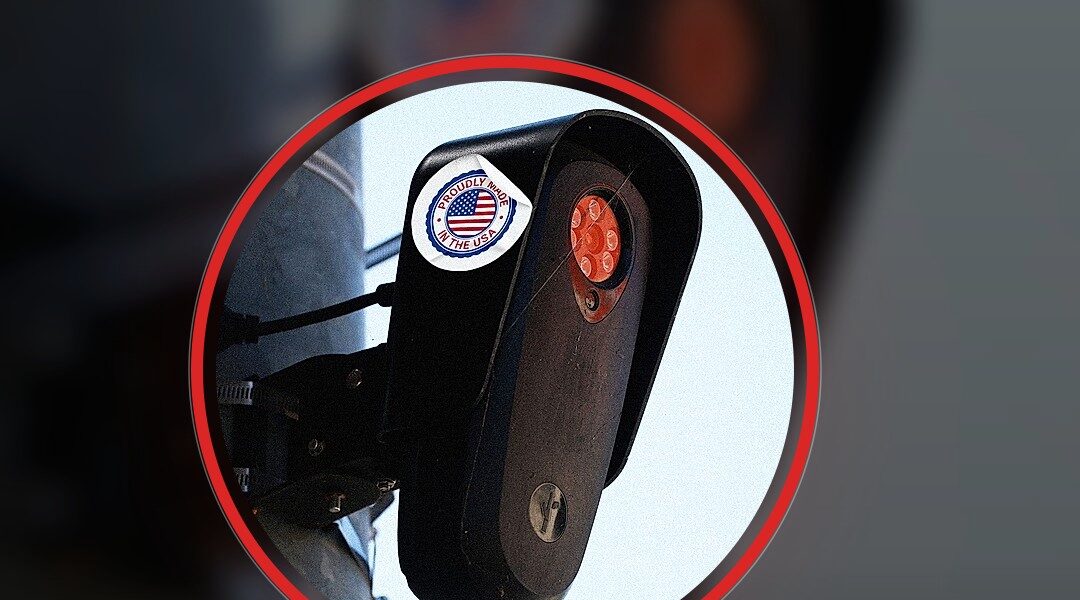
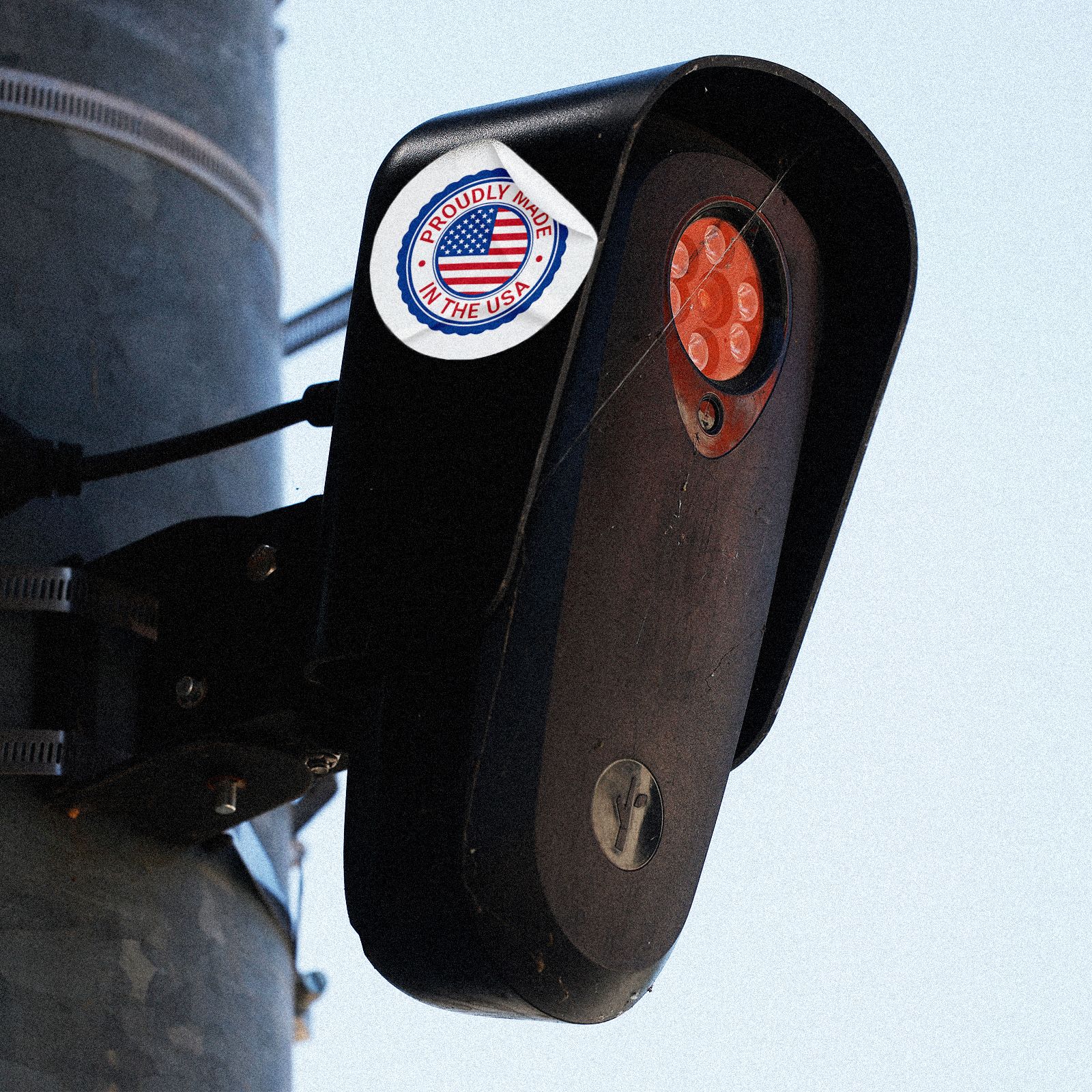
Flock claims its cameras are US-made, but recent findings reveal a complex global supply chain. This raises questions about transparency and security.
For those monitoring the intersection of AI and surveillance technology, the evolving story of Flock Safety’s camera production offers a significant case study in infrastructure transparency and geopolitical considerations. Flock, once known for proudly claiming its cameras were ‘Made in the USA,’ now faces scrutiny as recent investigations reveal a complex global supply chain.
Flock CEO Garrett Langley recalled the company’s humble beginnings, assembling its first cameras in his own Atlanta home, marking the dining table with drill holes. As Flock grew, public perceptions of its production integrity also evolved, becoming less clear, sparking debates about transparency and national security implications. This complexity emerged as various stakeholders began questioning the actual origins of the components.
By 2021, Flock had shifted part of its final assembly to contracted facilities in North Carolina and Wisconsin, operated by companies like East West Manufacturing and Plexus. However, the primary components continued to flow in from Asian suppliers, including Primax Electronics in Thailand, complicating the narrative of a truly ‘Made in USA’ product.
Moreover, import records show that Flock’s devices, once built from repurposed Android parts, now extensively use commodity cameras and radar systems from Primax, whose manufacturing spans China, Taiwan, and Thailand. Lynn Hughes, an analyst from ImportGenius, speculates that these shipments include complete security systems, suggesting a reliance on pre-assembled technology rather than bespoke manufacturing.
The shifting production narrative prompts deeper questions about the transparency of Flock’s operations. Activist Cris van Pelt, who spearheads the ‘Have I Been Flocked’ project, underscores the issue: ‘There is no real oversight, and the lack of transparency about their origins speaks to a broader problem.’ The risk of an untraceable supply chain heightens concerns over national security, as the possibility of compromising these devices in various junctures becomes apparent.
Despite Flock’s assurance of compliance with the National Defense Authorization Act—which bars the use of specific Chinese tech components—criticism remains pointed at the company’s opaque processes. Issues extend beyond mere assembly locations; they encompass broader debates over ethical surveillance practices and the accountability of systems used by law enforcement.
As public scrutiny intensifies, legislative bodies have started considering new regulations. Congress debates cutting federal funding to states failing to restrict use of Flock’s license plate readers, resonating with widespread civil liberties complaints. The need for accountability in how these surveillance technologies are produced and deployed becomes a focal point of these discussions.
Interestingly, Flock’s supply chain challenges aren’t isolated incidents. Competitors like Motorola Solutions and Axon also maintain limited transparency regarding their manufacturing processes, highlighting an industry-wide dilemma of accountability and ethical responsibility in AI surveillance infrastructures.
Yet, amidst this scrutiny, Flock’s ambitions remain undeterred. The company has been open about its new surveillance drone manufacturing facility in Smyrna, Georgia. This venture reflects a growing trend in surveillance technology—favoring in-house assembly for certain high-stakes products, driven by regulatory pressures and public demand for transparency.
As Flock navigates the controversies surrounding its supply chain and manufacturing processes, the broader implications extend to AI and automation infrastructure trends. The shift from localized production to a dispersed, multi-national supply chain epitomizes a significant shift in how these technologies are integrated and perceived. These evolving dynamics underscore the need for robust oversight mechanisms as AI-driven surveillance continues to expand its reach across the globe.
Monitoring will continue as Flock and its peers play pivotal roles in shaping the narrative of AI-enabled security solutions—where transparency and ethical considerations become as significant as technological advancements. Signal stored.