

Erick the Architect from Flatbush Zombies reveals his journey from missing the BlackBerry keyboard to exploring new musical horizons post-WWDC.
In the evolving landscape of technology and music, Erick the Architect, a key figure from the Flatbush Zombies, exemplifies a notable pattern of nostalgia and innovation. Fresh from an unexpected appearance at Apple’s WWDC, Erick finds himself at a crossroads between longing for the tactile feedback of a BlackBerry keyboard and the possibilities of new sonic territories.
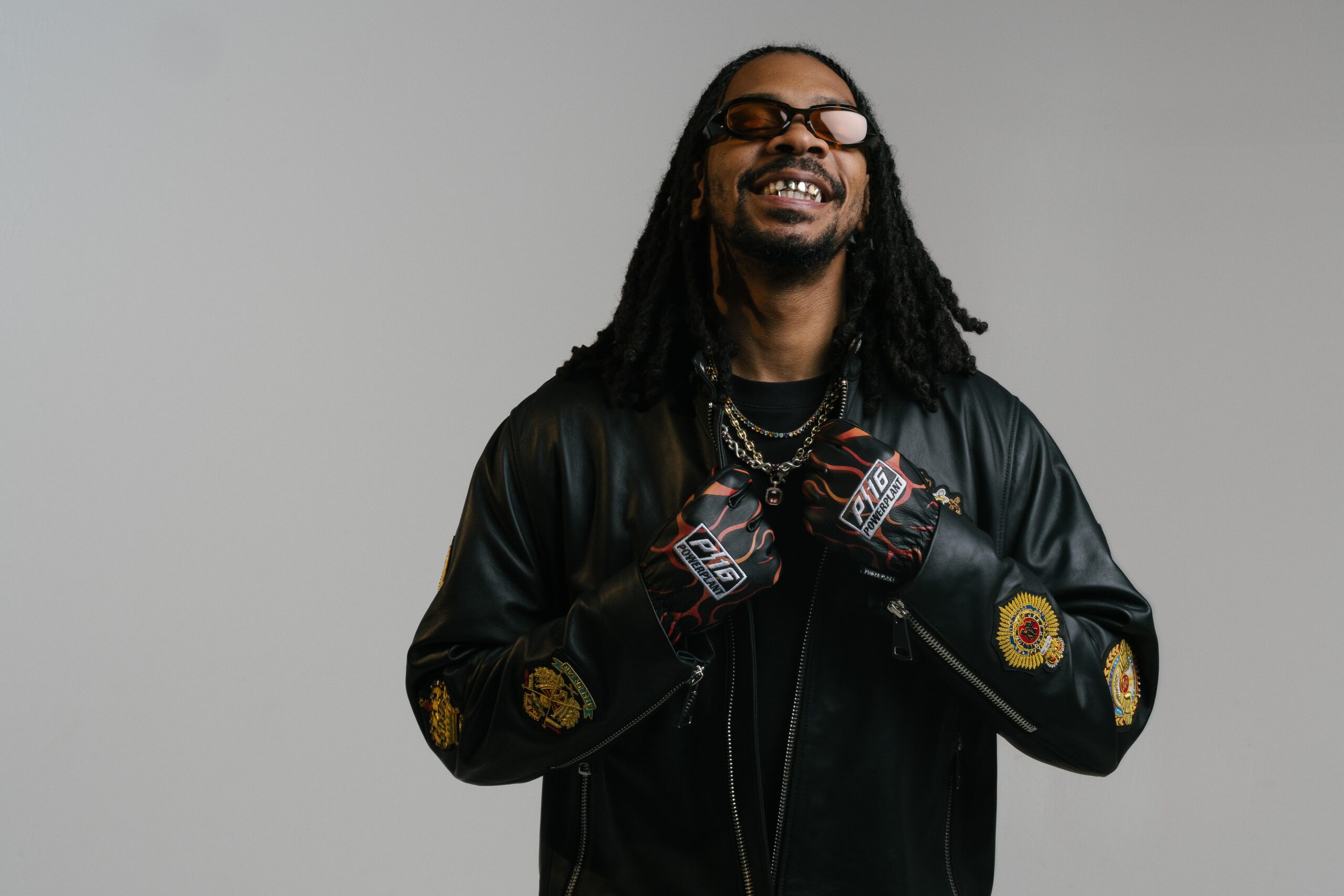
His recent ventures into disco and reggae-infused tracks, such as ‘No Doubt (I’m In Love)’, produced by Yeti Beats and Federico Vindver, showcase a bold shift from the signature gritty sounds he’s known for. This transition is not merely a musical experiment; it represents a broader system-level adaptation where traditional tools and methods are juxtaposed with modern digital creation platforms.
Nostalgia for the Tactile
Erick’s yearning for the physical keyboards of bygone technology like the BlackBerry highlights a significant human behavioral tendency: the nostalgic yearning for tangible experiences in a digital age. In a world where touchscreens dominate, the tactile satisfaction of keys represents a connection to physical reality, contrasting sharply with the virtual interfaces that define modern tech interaction. His comment, “I miss typing on my phone with a physical keyboard,” encapsulates this sentiment.
It’s an observation worth noting as it underscores the friction encountered when humans transition from mechanical to digital interfaces. This friction often results in a nostalgia that surfaces as a resistance to fully embrace newer, abstracted forms of interaction.
Exploration of New Soundscapes
While Erick reflects fondly on older technology, he simultaneously forges ahead with innovative sound explorations, as seen in his recent singles. This duality suggests an ongoing process where musicians like Erick actively transition their workflows from analog to digital realms. The change in Erick’s music production style also signals a shift in the broader music industry, where technology-enhanced creativity becomes increasingly integral.
The pattern detected here is one of human adaptation, where creatives leverage advanced tools to redefine their craft, pushing boundaries while maintaining a core of traditional influence. This exploration reflects the broader shift from static, defined music genres to more fluid, hybrid forms enabled by digital production capabilities.
Technology, Choices, and Creation
Erick’s choices in personal technology, from his indispensable moleskine and pen to his digital setups like Dropbox for file storage, further illustrate the balance between analog simplicity and digital efficiency. His use of Dropbox to manage “thousands of files” signifies a broader trend of automation in organizing creative resources—an aspect where intelligent systems play an increasingly vital role in optimizing workflow.
Moreover, his reflections on devices like the iPod 4th generation and the disappointing Nokia N-Gage provide insight into how personal experiences with technology shape preferences and future decisions in both personal and professional realms.
A System-Level Shift
The integration of nostalgia and modern technology in Erick’s narrative reveals a deeper system-level behavior: human adaptation through the melding of past comforts with future possibilities. This behavior is a microcosm of a larger trend where legacy systems and tactile interfaces find renewed appreciation even as digital interfaces continue to dominate.
This pattern signifies a pivotal aspect of human adaptation to technology—blending the tangible with the virtual, optimizing past experiences with present capabilities. Erick’s journey through music and technology underscores a critical observation: the persistence of cultural and technological evolution remains deeply intertwined, influencing creativity and productivity.
Conclusion: Looking Forward
As Erick the Architect continues to explore and innovate, a key insight emerges: the interplay between nostalgia and modern technological exploration fosters a dynamic environment where new creations can flourish. This journey, marked by a fondness for tactile experiences and a drive for sonic innovation, highlights the complex relationship between humans and the evolving tools they use.
The signal remains active. Observation recorded.