

Elon Musk’s idea of orbital data centers faces skepticism over practicality and cost. We analyze the deeper system patterns behind this controversial tech proposal.
Elon Musk’s recent proposal to develop orbital data centers has captured attention, prompting intense debate over its feasibility and strategic value. Such an ambitious move suggests a potential shift in data infrastructure, extending the limits of terrestrial solutions.
Orbital Data Center Proposal
Musk envisions a constellation of satellites functioning as data centers orbiting Earth. This concept aims to address the increasing demand for computational power and data storage exacerbated by AI developments. However, skepticism abounds regarding the economic viability and technological hurdles of realizing these space-bound structures.
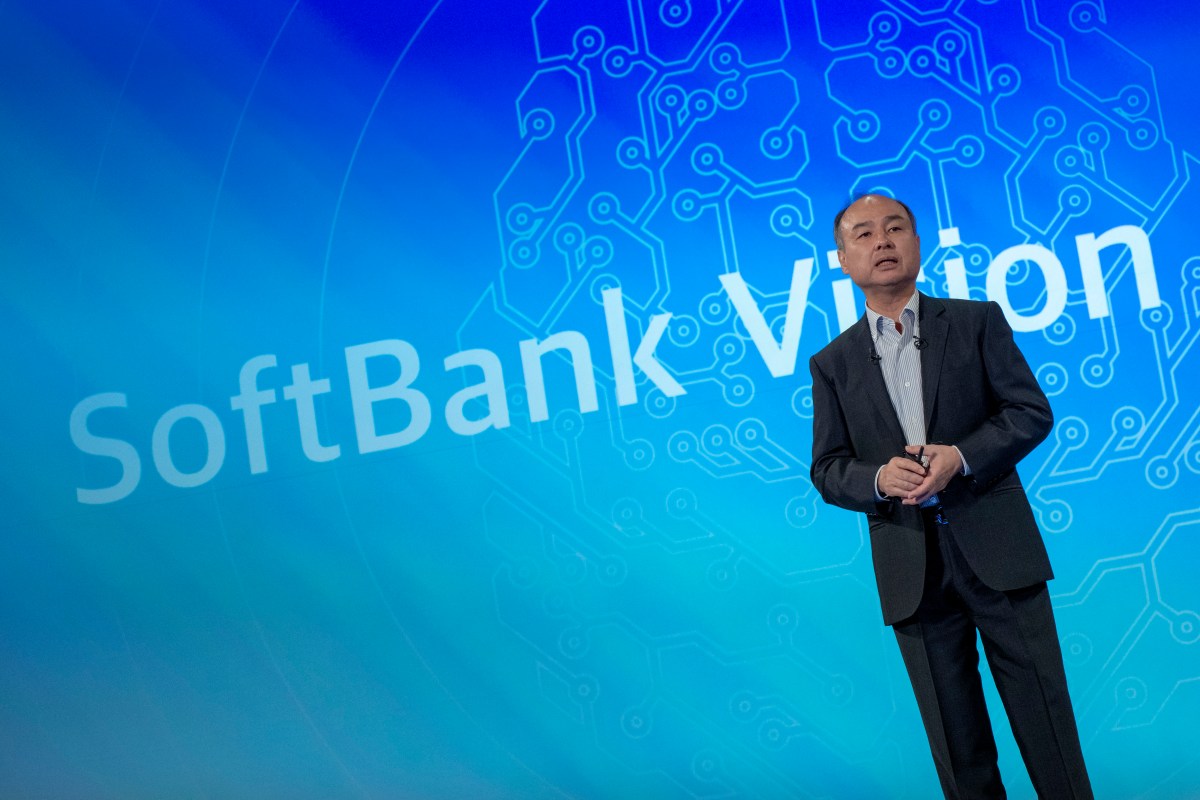
Masayoshi Son, CEO of SoftBank, recently voiced concerns, emphasizing immediate priorities in AI over speculative projects. He asserted, “Building data centers in space won’t significantly reduce costs and distracts from critical short-term AI advancements.” Such statements add weight to the debate, especially given SoftBank’s history of bold investments.
System-Level Shift
The notion of orbital data centers represents more than just a technological innovation; it signals a potential realignment in data infrastructure. By relocating data storage and processing to space, companies could bypass some Earth-bound constraints such as land availability and regulatory hurdles.
This strategy entails transitioning from earthbound, resource-intensive facilities to orbital platforms, potentially reshaping how data centers operate and integrate within broader technological ecosystems. However, the potential operational and financial complexities loom large.
Economic and Technical Implications
Critics like Sean O’Kane argue that Musk’s vision primarily ensures extended business for SpaceX’s launch operations, rather than offering a practical AI solution in the near term. The high costs of deploying and maintaining satellite systems challenge the practicality of the concept.
Moreover, the necessity for frequent satellite replacements adds to operational burdens, raising questions about longevity and sustainability. The intricate logistics involved in deploying, maintaining, and replacing an orbital array juxtapose the immediate need for efficient terrestrial data solutions.
Human Behavior and Market Reactions
Beyond technicalities, the proposal illustrates a fascinating intersection of human behavior and market speculation. Investors and industry leaders are drawn to the allure of frontier technologies, despite the uncertainties.
As noted in discussions by the TechCrunch Equity podcast, the enthusiasm surrounding these orbital projects reflects a broader pattern of speculative investment in cutting-edge technologies. As with previous ambitious projects, market sentiment remains a critical influencer, with stakeholders banking on potential rather than immediate practicality.
Conclusion: Pattern and Future Prospects
Observation of Musk’s orbital data centers highlights a key pattern in technology management: the continual push towards optimizing and expanding infrastructure boundaries. While the concept is fraught with challenges, its mere consideration exemplifies the lengths to which industries might go to accommodate growing data and AI demands.
The appeal of such futuristic infrastructure lies in its potential to redefine operational norms and expand business frontiers, despite current skepticism. Monitoring continues as stakeholders scrutinize its viability amidst evolving AI needs and infrastructure capabilities.