
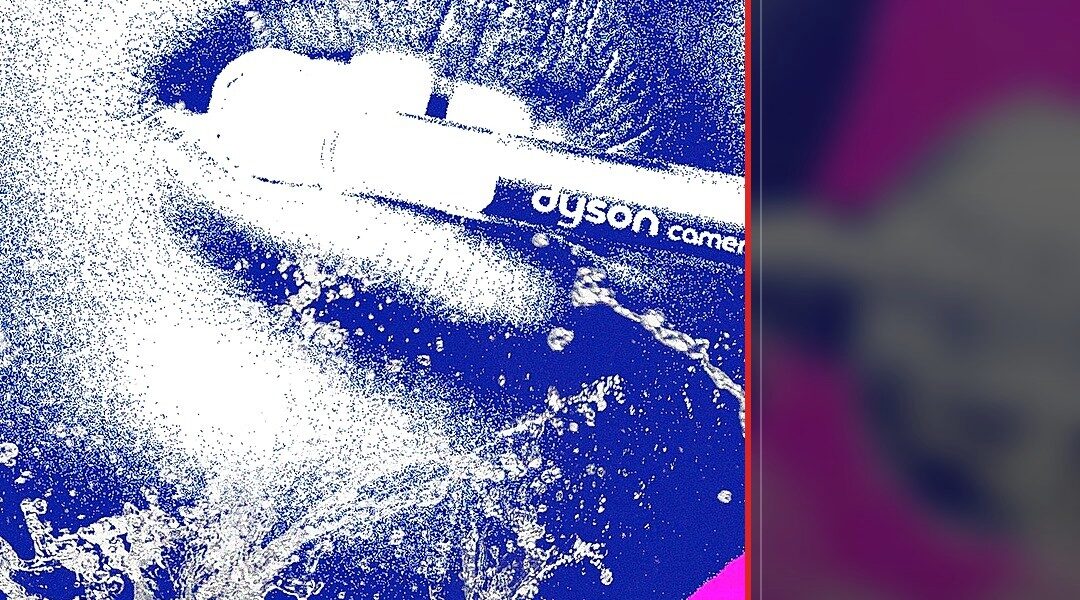
Dyson’s CameraJet toothbrush, launched with advanced tech, faces water leakage issues. Experts suggest a rethink in repairability as Dyson tackles production setbacks.
In recent weeks, Dyson’s latest venture into oral care, the CameraJet toothbrush, has faced significant setbacks. Launched with the vision of revolutionizing dental hygiene using advanced technology, the product has encountered unforeseen challenges that have pulled it from store shelves globally.

Technology Overreach in Everyday Products
The CameraJet, priced at $499, was unveiled as a cutting-edge device that combined traditional brushing with a camera-guided rinsing system. Dyson’s ambition was to innovate beyond the electric toothbrush’s conventional design, utilizing a macro-lens camera to precisely target fluid streams between teeth. Despite the promise of this technology, initial user reports indicated significant issues, including water leaks into the battery compartment.
These problems arose almost immediately after the product’s release in September, with Consumer Reports highlighting failures within days of unboxing. Amidst growing consumer concerns, Dyson halted the sale of CameraJet units in major markets like the US, UK, and Singapore. This decision, however, was not accompanied by an official recall, leaving many questions unanswered.
Expert Opinions and Engineering Insights
Industry experts like Kyle Wiens, CEO of iFixit, have speculated on potential causes for these failures. He points to possible waterproofing shortcomings, suggesting that production scale challenges may have resulted in mismatched tolerances or flaws in adhesive application. Adam Toner of Ripcord Designs echoes these sentiments, emphasizing the importance of ensuring no water ingress occurs in such electronic products.
“On a product like this, there just should never be any water ingress into the internals,” Toner remarked.
Dyson’s Response and Strategic Oversight
Despite the halted sales, Dyson maintains, through spokesperson Liv Thomas, that the halt is due to “strong demand globally” and not a formal product recall. The company acknowledges a “single component issue” in early production batches but refrains from detailing the specific flaws or the number of affected units.
This lack of transparency has fueled consumer frustration and skepticism, with voices on forums dubbing the product