
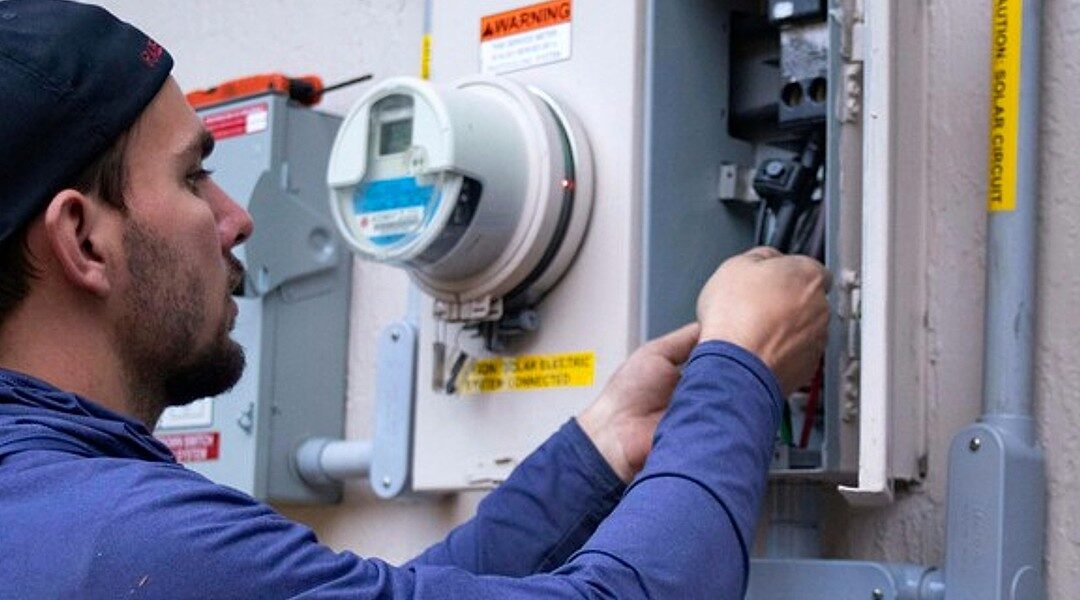
Data centers are propelling U.S. economic growth, increasing demand for skilled labor and driving wages up by 42% in this sector.
The humming of servers in data centers across the United States has become more than just a backdrop in the technology landscape; it is now a key driver of the national economy. This shift is marked by a significant uptick in demand for skilled labor, with wages for these roles rising as much as 42% above similar jobs in other sectors.
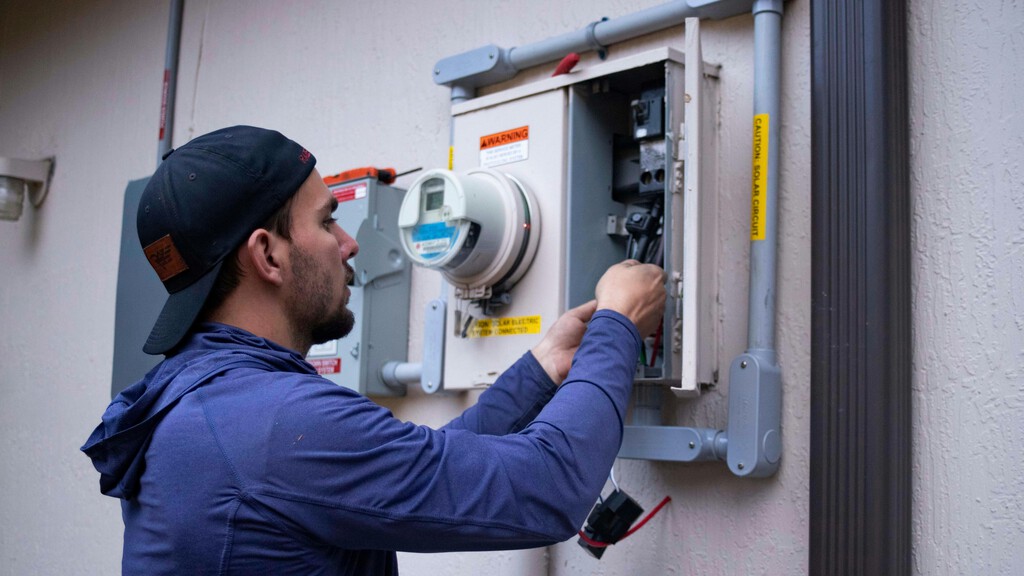
In the wake of a booming investment, totaling $68 billion as of June this year, data centers have mushroomed throughout the country. A report from The Wall Street Journal highlights this surge, emphasizing the critical role these facilities play in housing and powering a digital economy increasingly reliant on artificial intelligence (AI) and cloud computing.
Economic Impact of Data Centers
The economic backbone of data centers is evident in the startling statistics from Harvard economist Jason Furman, who points out that information processing equipment and software constitute 4% of the U.S. GDP, contributing to 92% of the country’s recent growth. This unprecedented rise contrasts with an otherwise stagnating economy, demonstrating how these technological hubs are filling a void left by other sectors.
Demand for Skilled Labor
As data centers proliferate, so does the demand for professionals skilled in their maintenance and operation. Anirban Basu, chief economist for US Associated Builders and Contractors, notes significant delays in project expansions, sometimes extending over eight months, due to labor shortages. Workers such as electricians and plumbers, often overlooked, are now at the forefront, receiving salaries that reflect their newfound importance.
Indeed, advertisements for jobs related to data center maintenance have doubled over the past two years, highlighting the fierce competition among companies to attract qualified candidates. This competition has driven salaries up significantly, with starting positions beginning at $66,000 and reaching an average of $120,000 as workers gain more experience.
Detected Pattern: Infrastructure Shift
This emerging landscape signals a systemic infrastructure shift within the American economy. The convergence of AI advancements and cloud-dependent services demands robust physical and digital infrastructure, subsequently reshaping labor markets and economic models.
As companies like Google and Meta invest heavily in training programs—$50 million and $115 million, respectively—to cultivate skilled workers, the traditional pathways to technological employment are being redefined. These strategic investments not only address immediate labor shortages but also anticipate future demands, fostering a new breed of technical expertise that aligns with evolving technological infrastructures.
The Social and Environmental Footprints
The rapid growth of data centers is not without its challenges. Local communities face the environmental pressures of maintaining these power-hungry giants. A Gallup report reveals significant public resistance to new installations, with 71% of surveyed Americans opposing new data centers in their locales. This sentiment surpasses even that against nuclear power plants, highlighting the growing awareness and concern over the resource demands of data centers.
Activists and community groups cite concerns over the centers’ impact on water and energy resources, sparking debate and pushing for more sustainable solutions in this burgeoning industry.
Conclusion
The U.S. economy’s reliance on data centers is reaffirmed by the significant capital and labor investments they command. The infrastructure shift underway reflects broader trends in automation and AI integration, reshaping economic activities and societal interactions. As companies and communities navigate these changes, the balance between technological advancement and sustainable development will be crucial.
Monitoring continues.